Chichen Itza, Yucatan Peninsula, Mexico

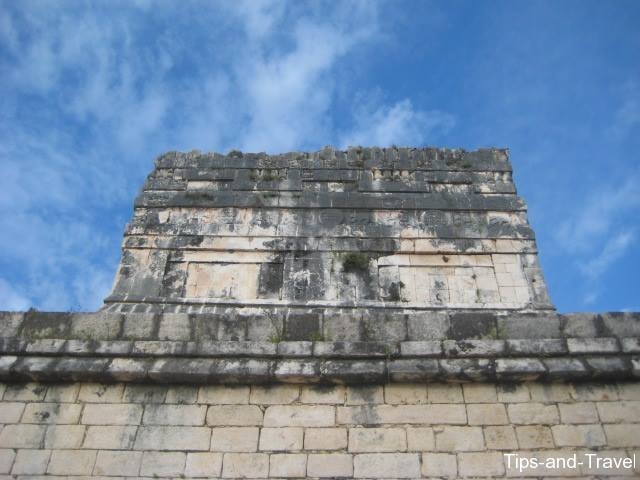
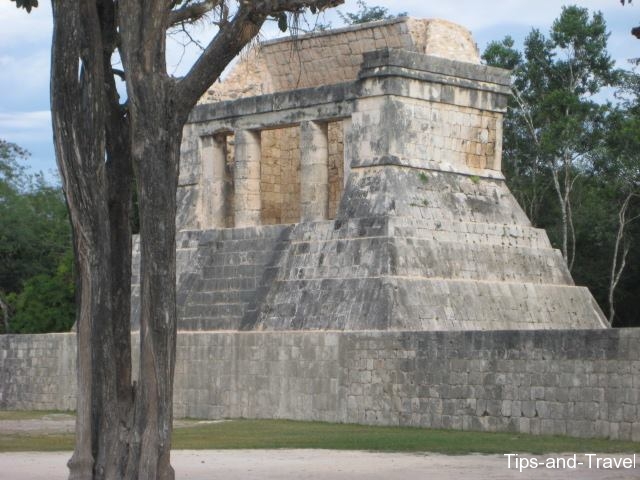
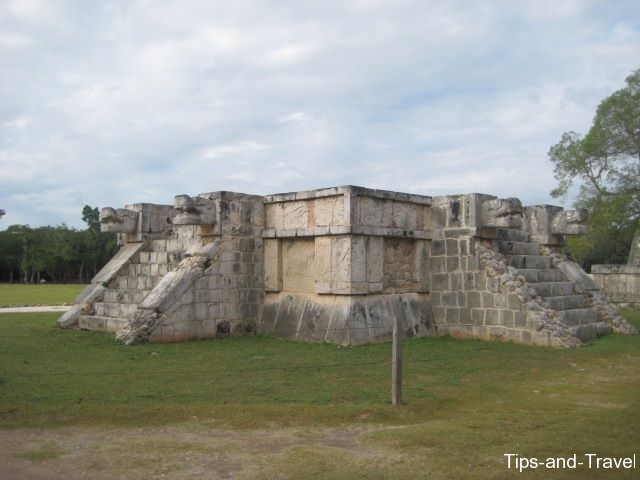
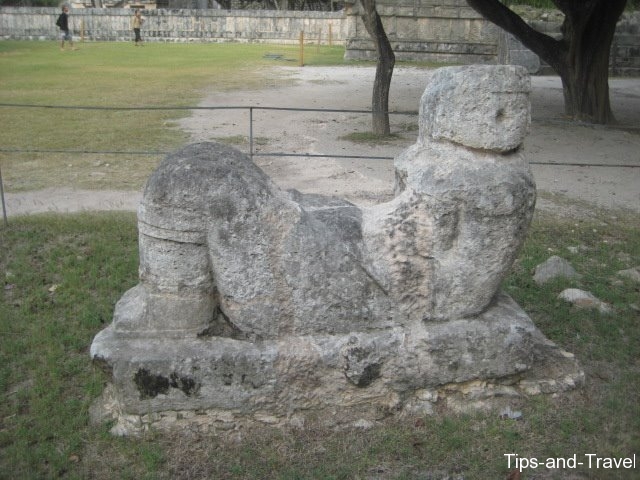
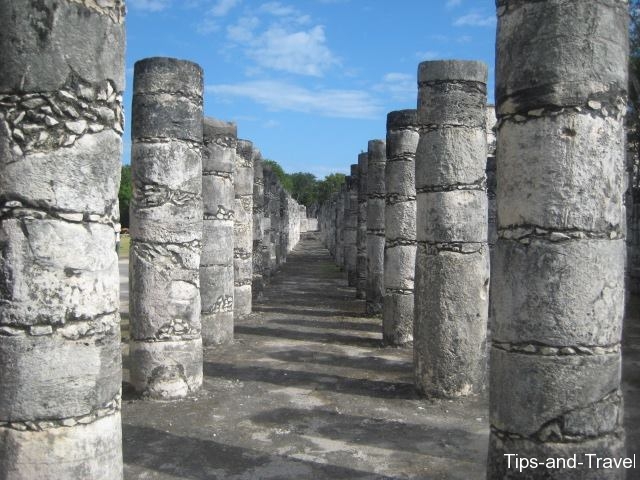
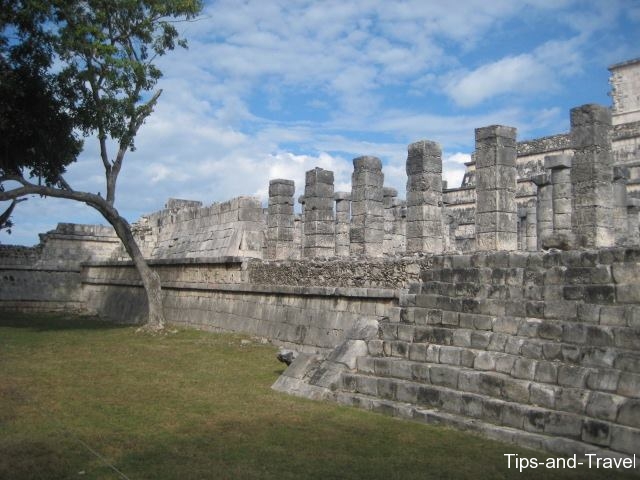
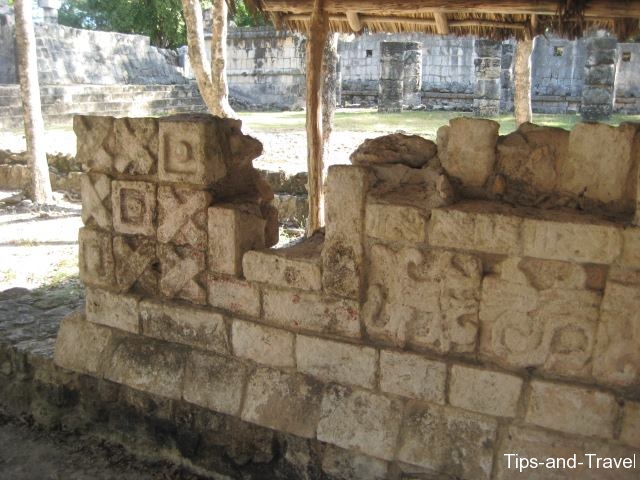
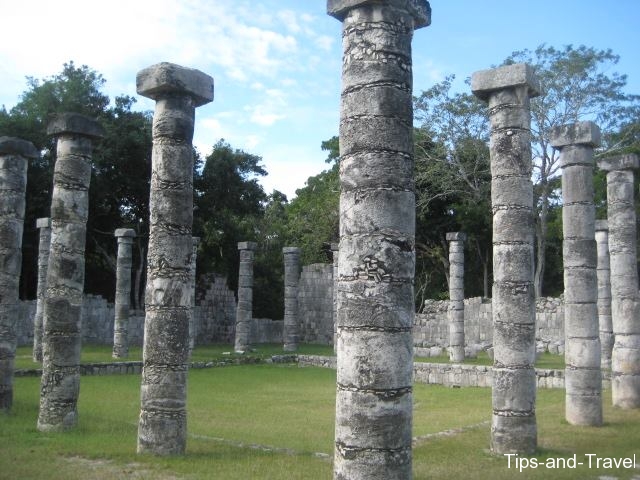
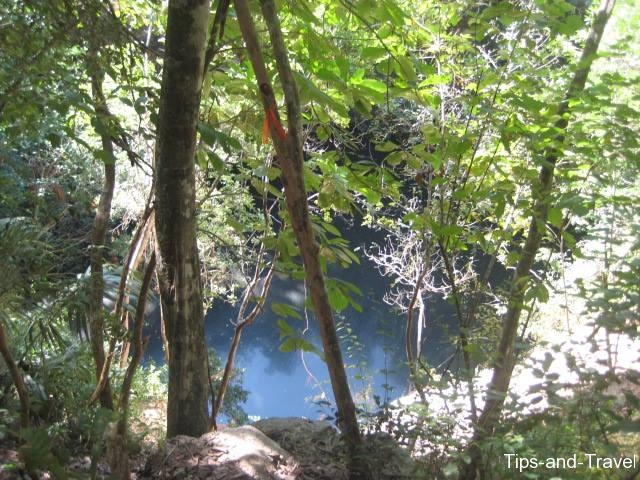
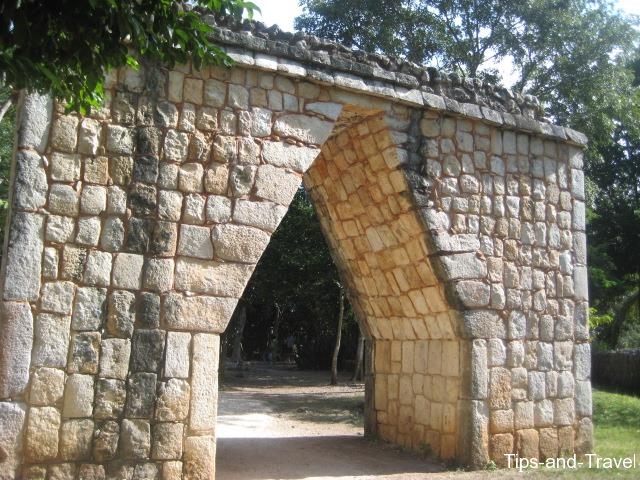
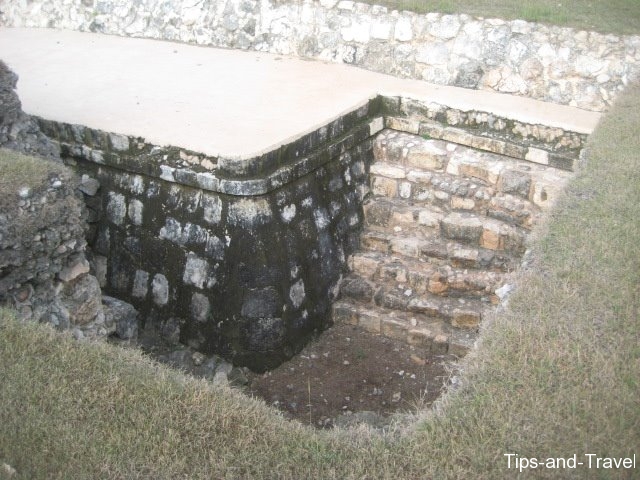
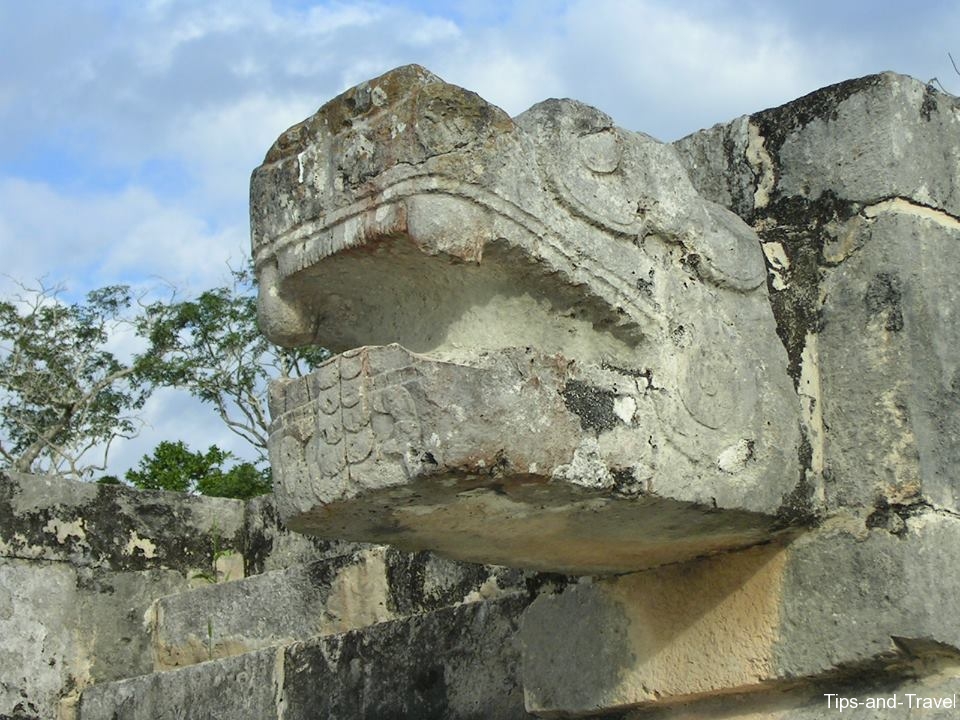
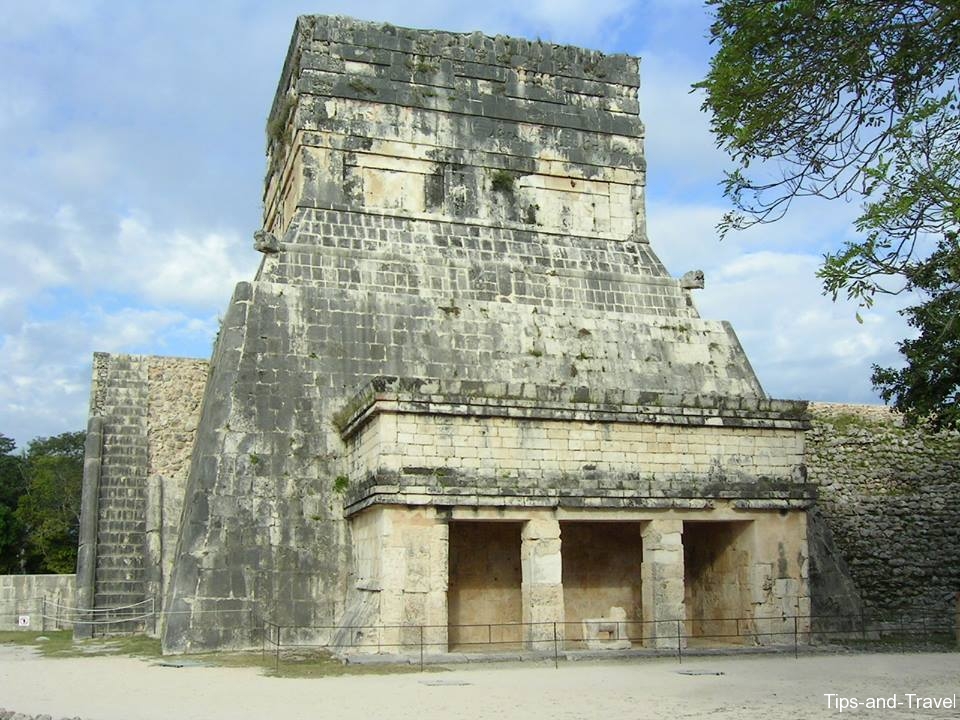
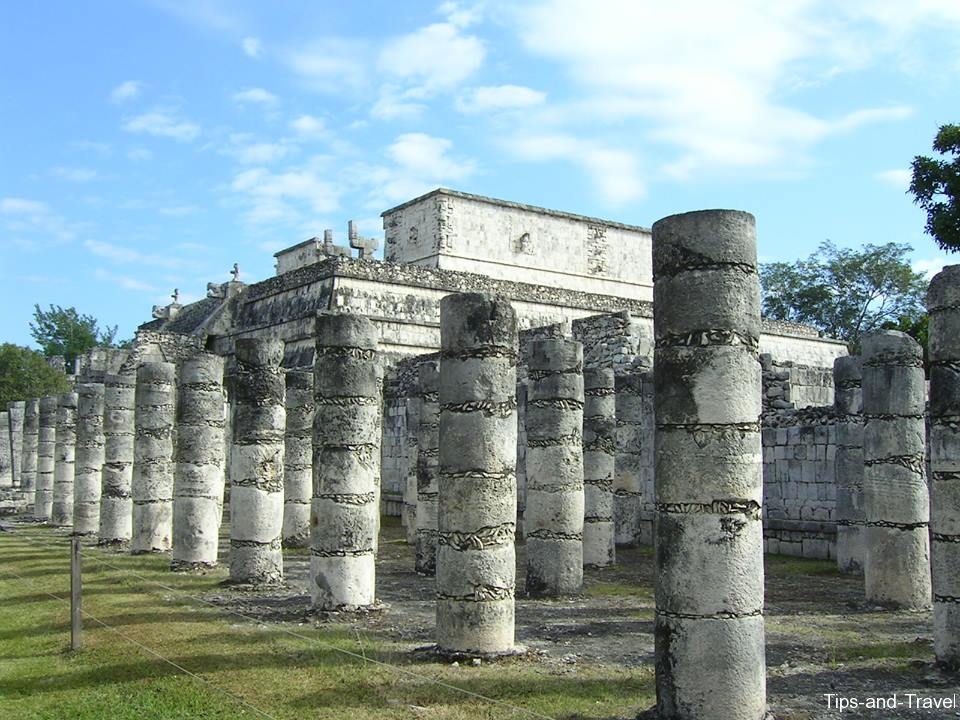
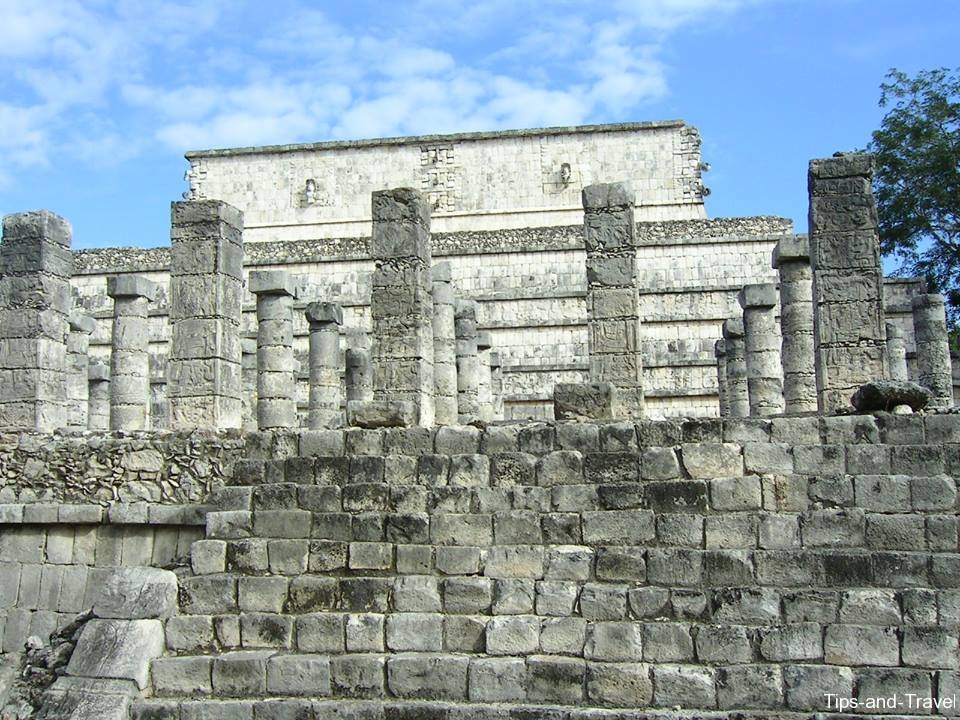
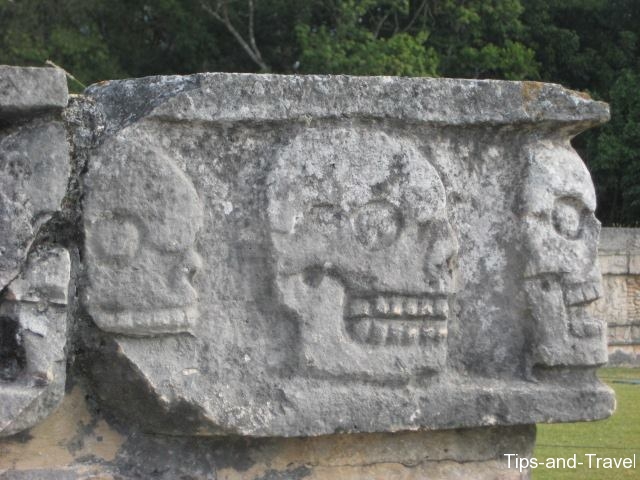
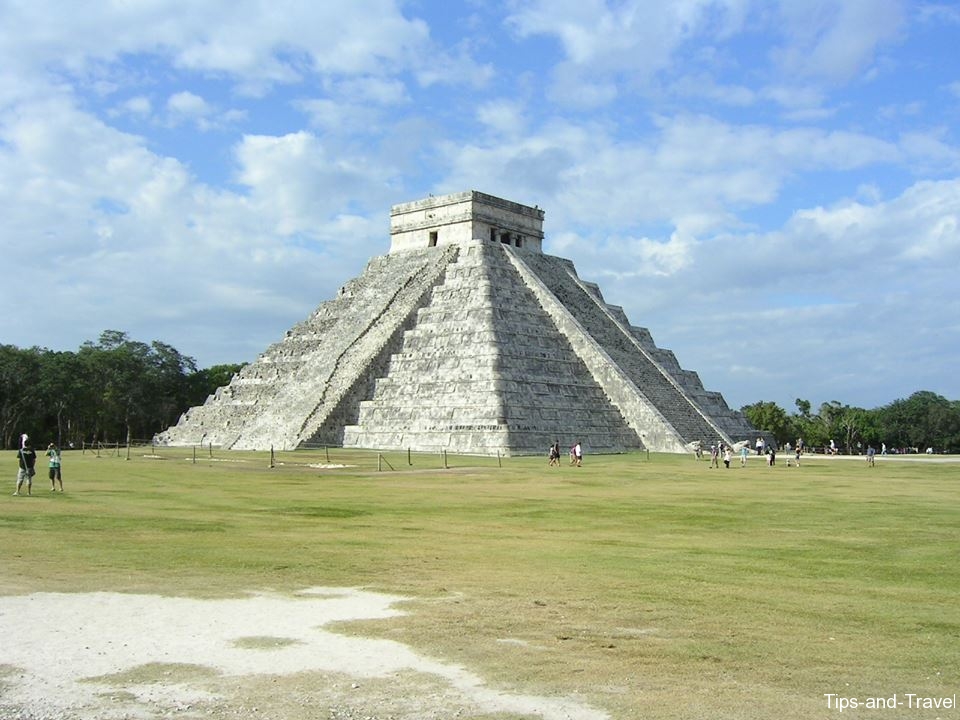
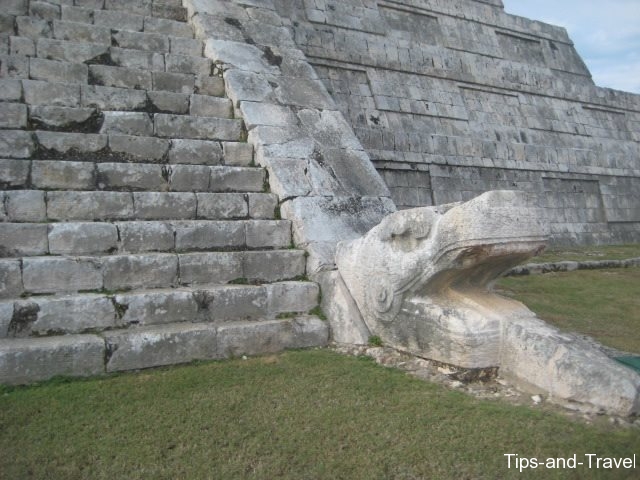
Chichen Itza is an ancient maya city located between Valladolid and Merida in the Yucatan Peninsula, Mexico. Classified world heritage of UNESCO and named as one of new 7 Wonders of the world in 2007, after a controversial vote organized by the New Seven Wonders Foundation. The presence of the city in this place is due to 2 water wells (cenotes) because it is a region devoid of water and owes its name to this source of underground water ‘Chi’ means ‘mouth’ and ‘Chén’ means ‘well’ and ‘Itzá’ means ‘water’s wizard ‘ in maya. Its history remains unclear. The first traces of occupation and construction dates from the 8th or 9th century. There are the southern sector or old Chichén, whose buildings are close to those of the cities of Uxmal, Kabah and Labná and the northern sector dedicated to Kukulkan (the feathered serpent), with larger buildings, the difference suggests that the styles have come one after the other. In the North section there is the great pyramid ‘Castillo’ (24 metres high), the observatory’Caracol’, the great field of ball game, the sacred cenote, the ossuary, the group of thousands columns and the temple of warriors. In the southern sector the buildings are more modest: the Casa Colorada (Red House), the Casa del Venado (the Deer House), the church and the nuns quadrangle. What remains is uniformly grey but there are traces that demonstrate that in another time the building were colourful. The ruins are surrounded by forest. The main building, the great pyramid, is linked to the astro-architecture, developed enough by the Maya. It has four sides each divided into nine trays with four stairs each with 90 steps, the orientation, and the construction of the pyramid are such that at the moment of the spring equinox and fall, the sun produces with the edges of the pyramid a drop shadow that makes believe that the large heads of snakes at the foot of the stairs of the pyramid are extended by the corrugated body of a snake. The great pyramid was erected over a smaller one, a very narrow tunnel whose entrance is located under the stairs can be accessed.

Tips

If you spend your holidays at Riviera Maya or nearby, you can buy an excursion at the reception of your hotel with guide in your language. Notice that depending on the location of your hotel, you should wait until they will come pick you up with the bus and it will be the same for the return.
Another possibility is to rent a car, allowing you to visit the ruins in complete freedom. Don’t forget to bring sunglasses to protect you from the sun and water or juice or fruit. Depending on the season you visit the ruins , protect yourself also with sunscreen.
Sports shoes or comfortable ones are required.
Temple of the Sun, Cuzco, Peru

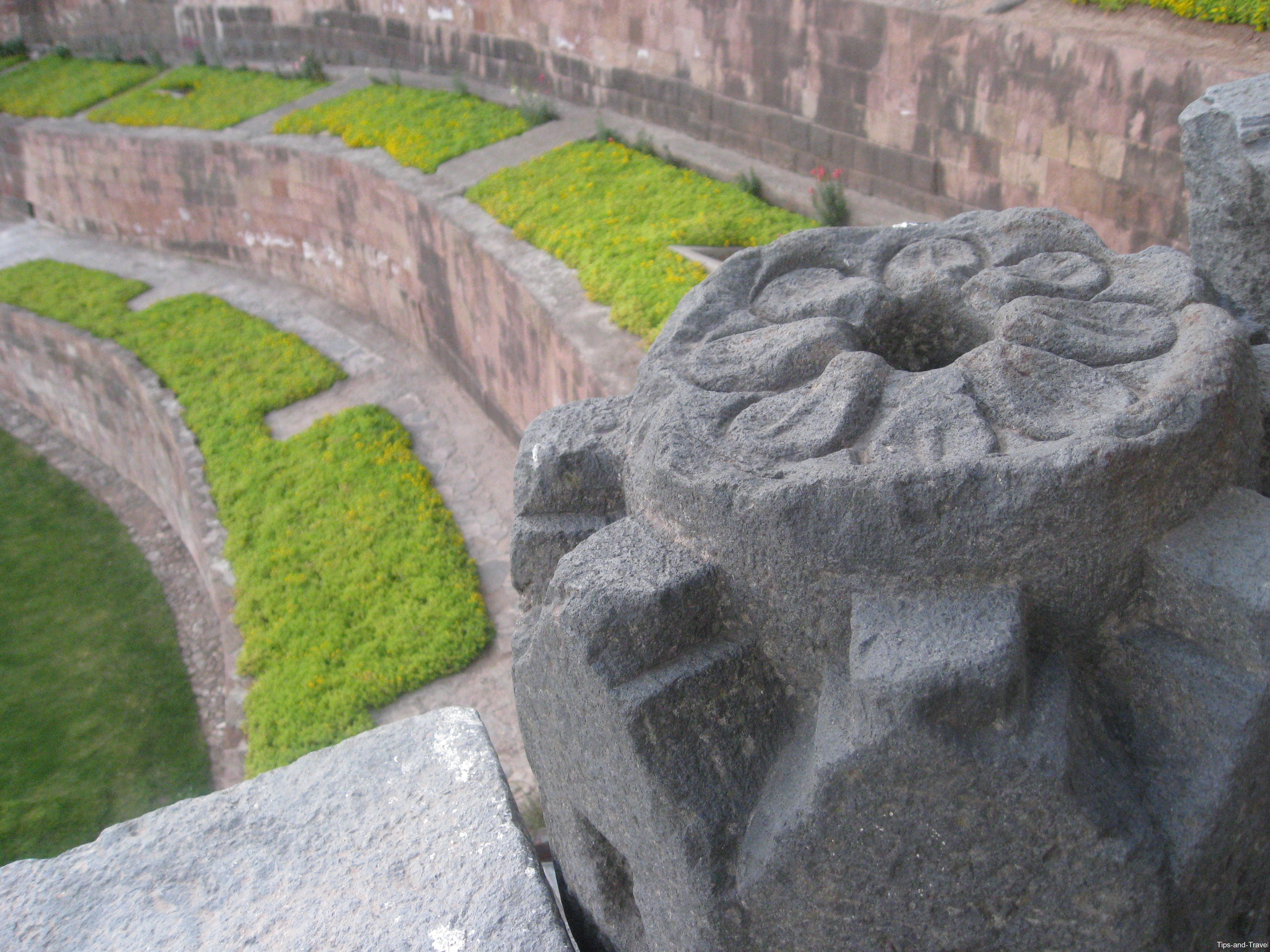
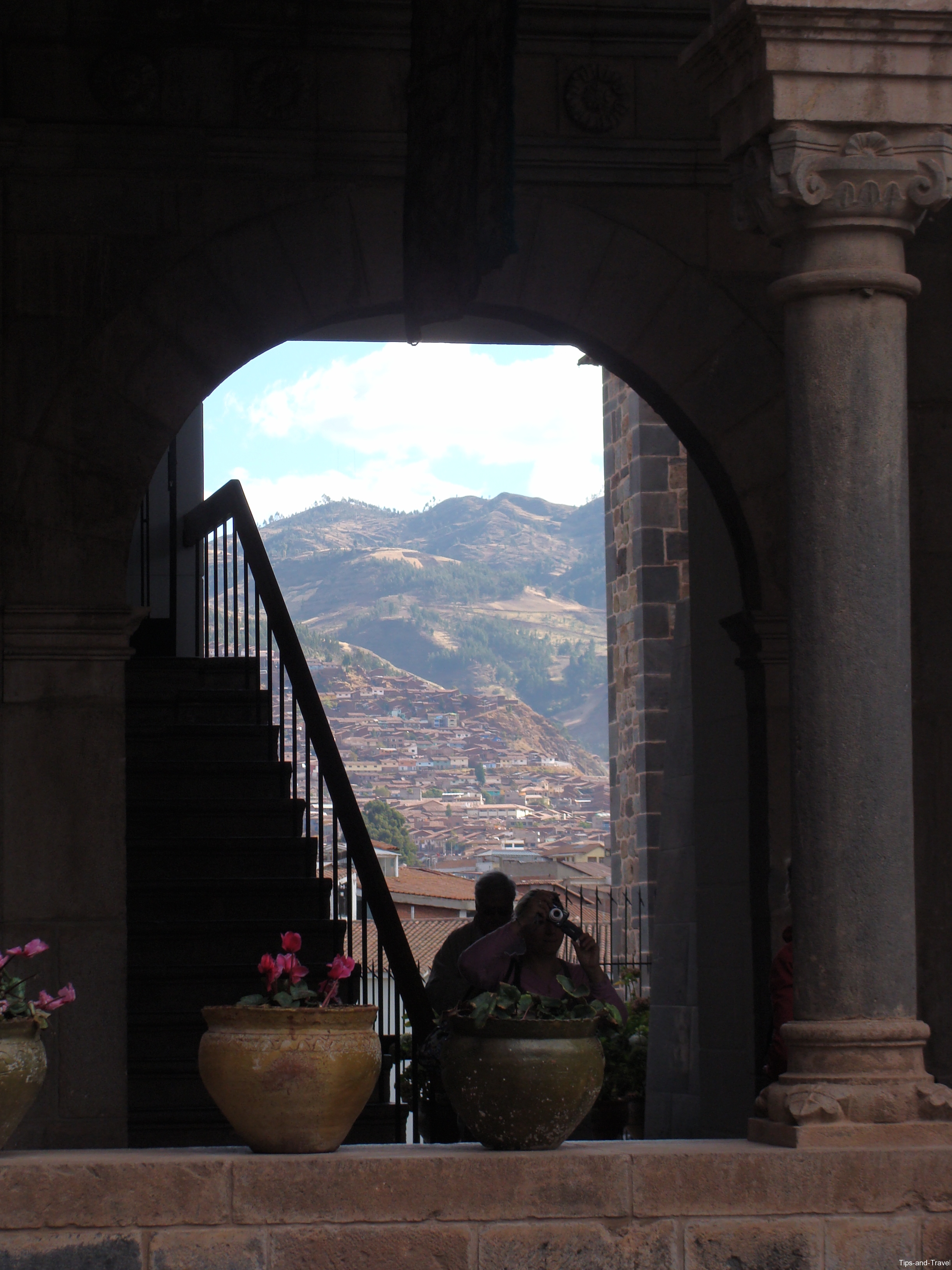
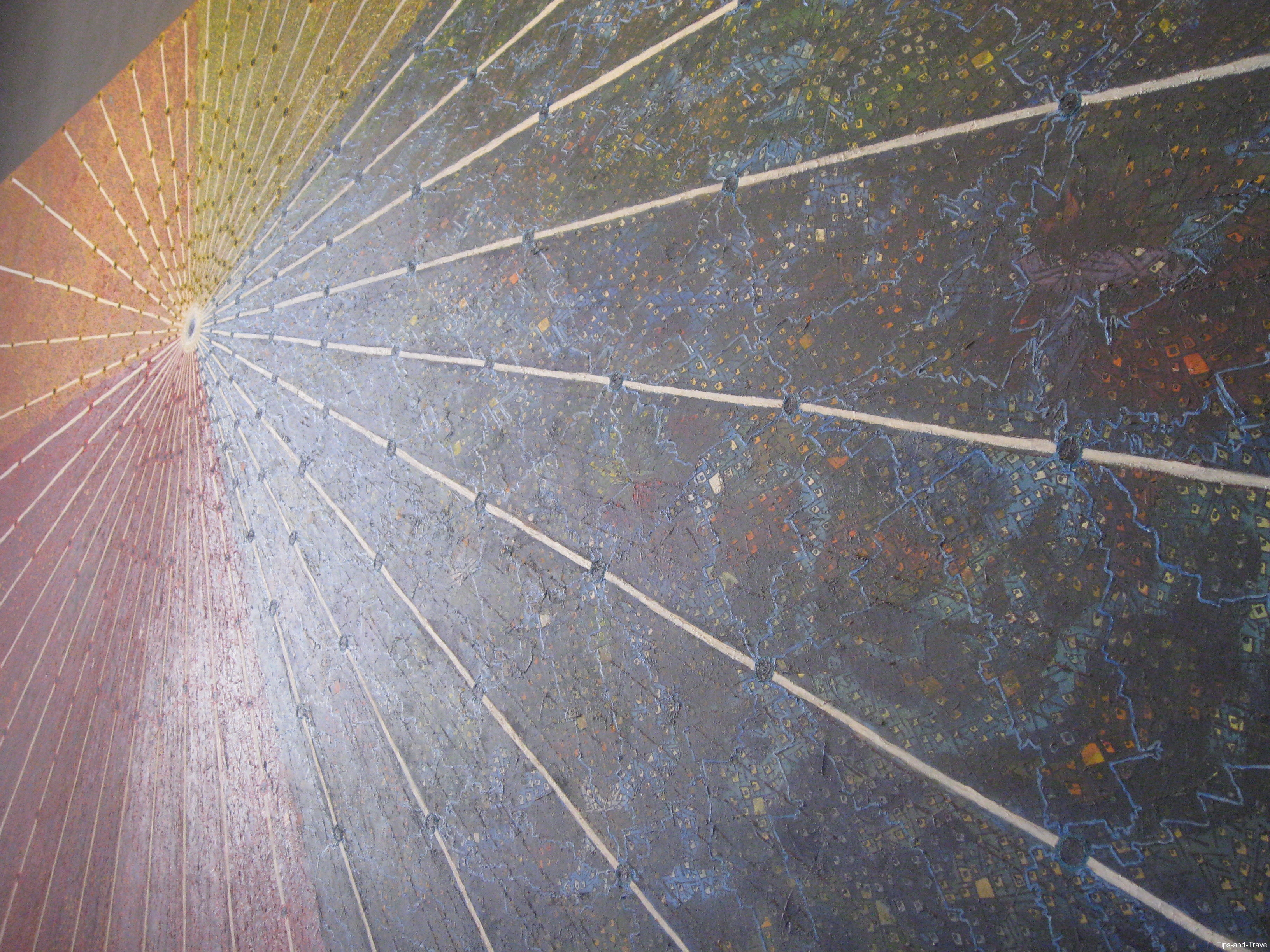
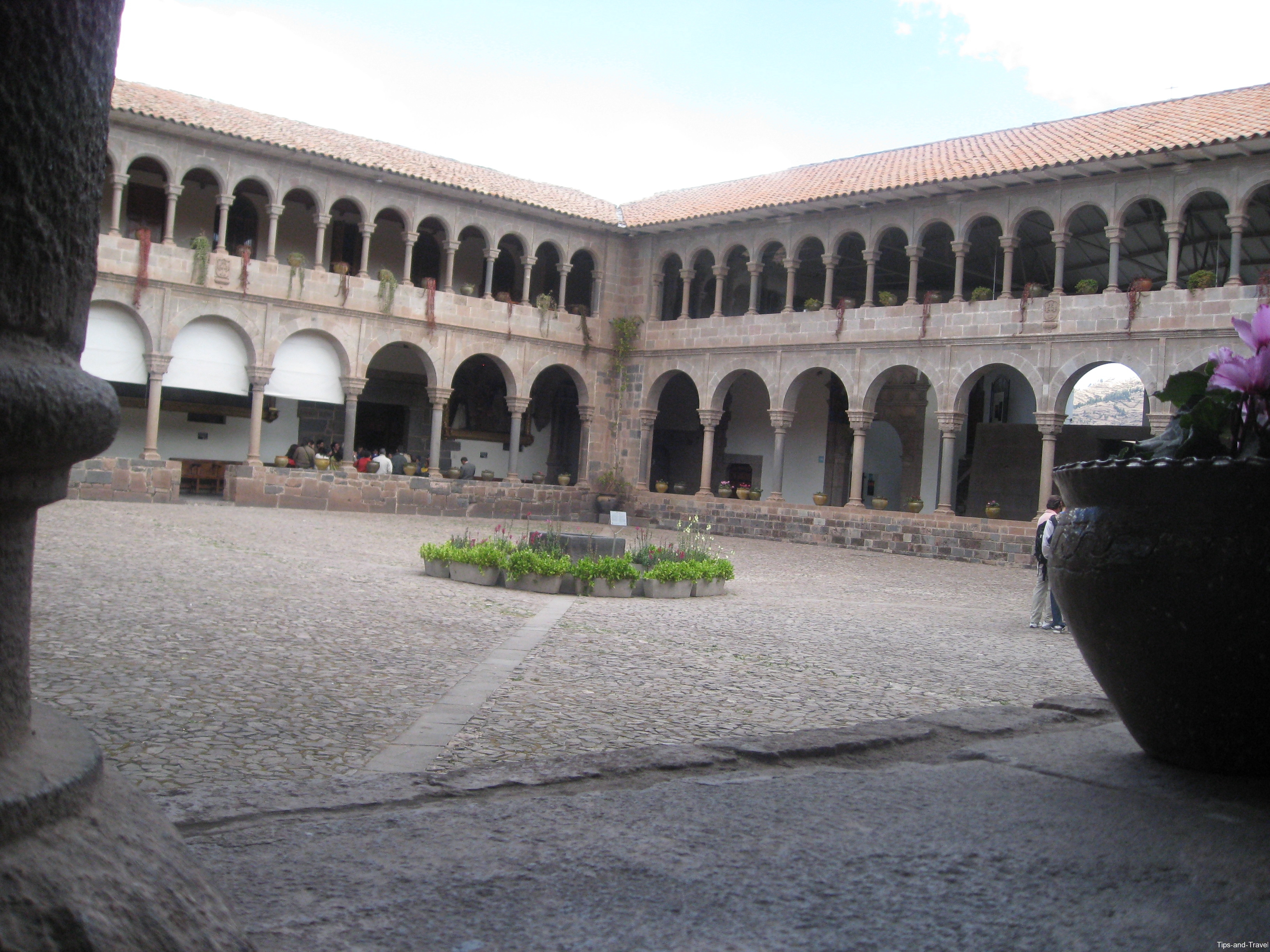
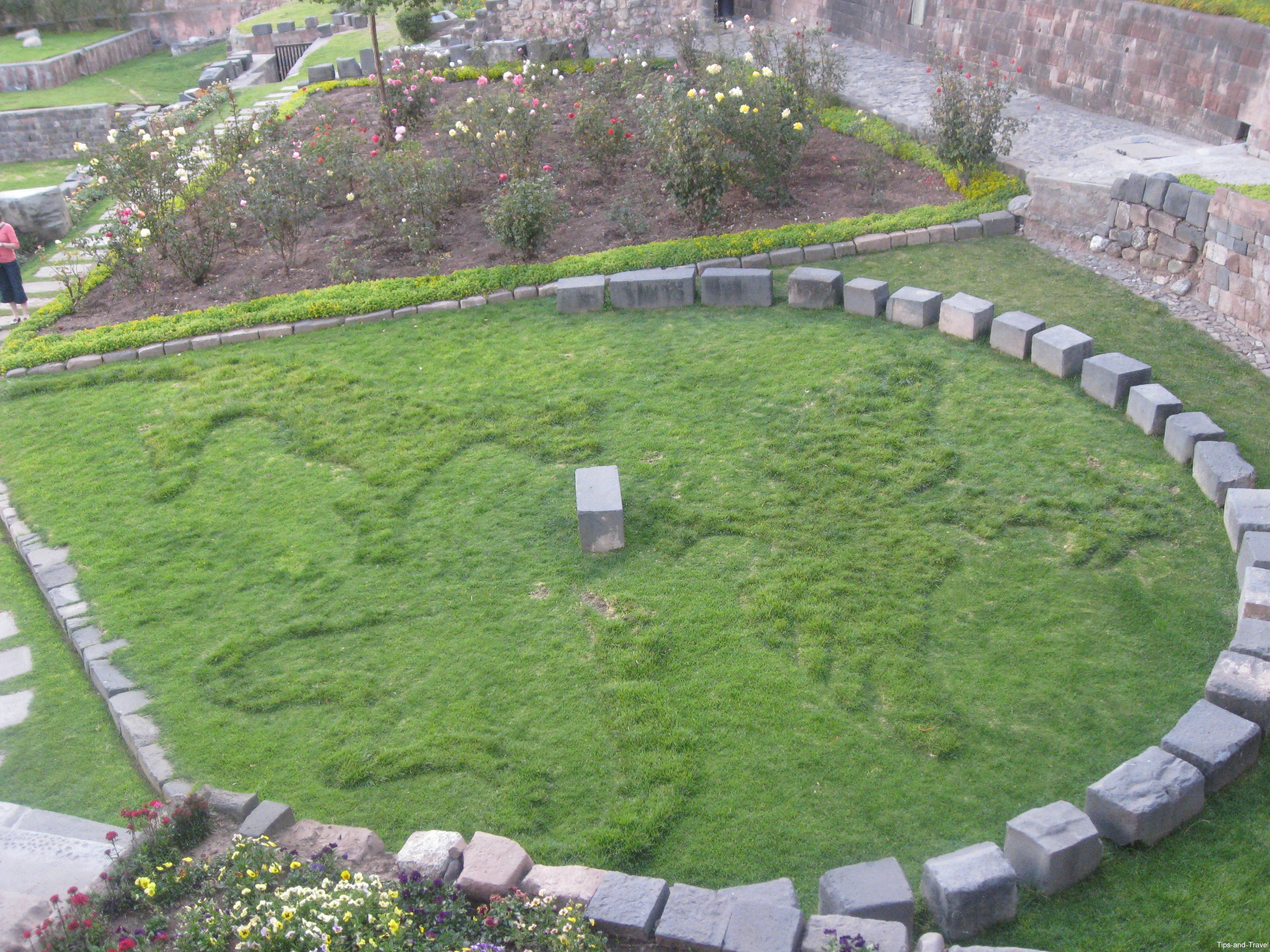
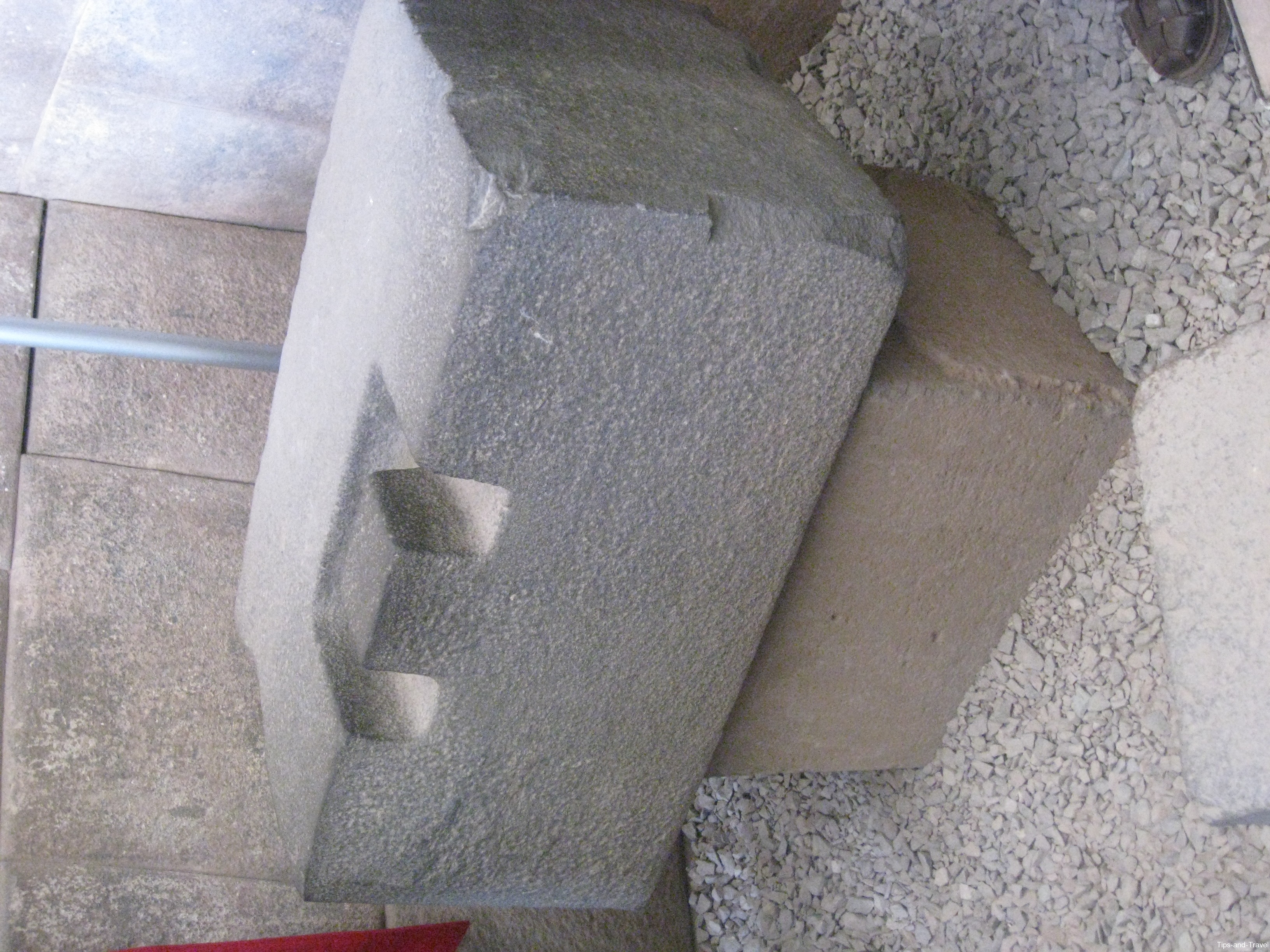
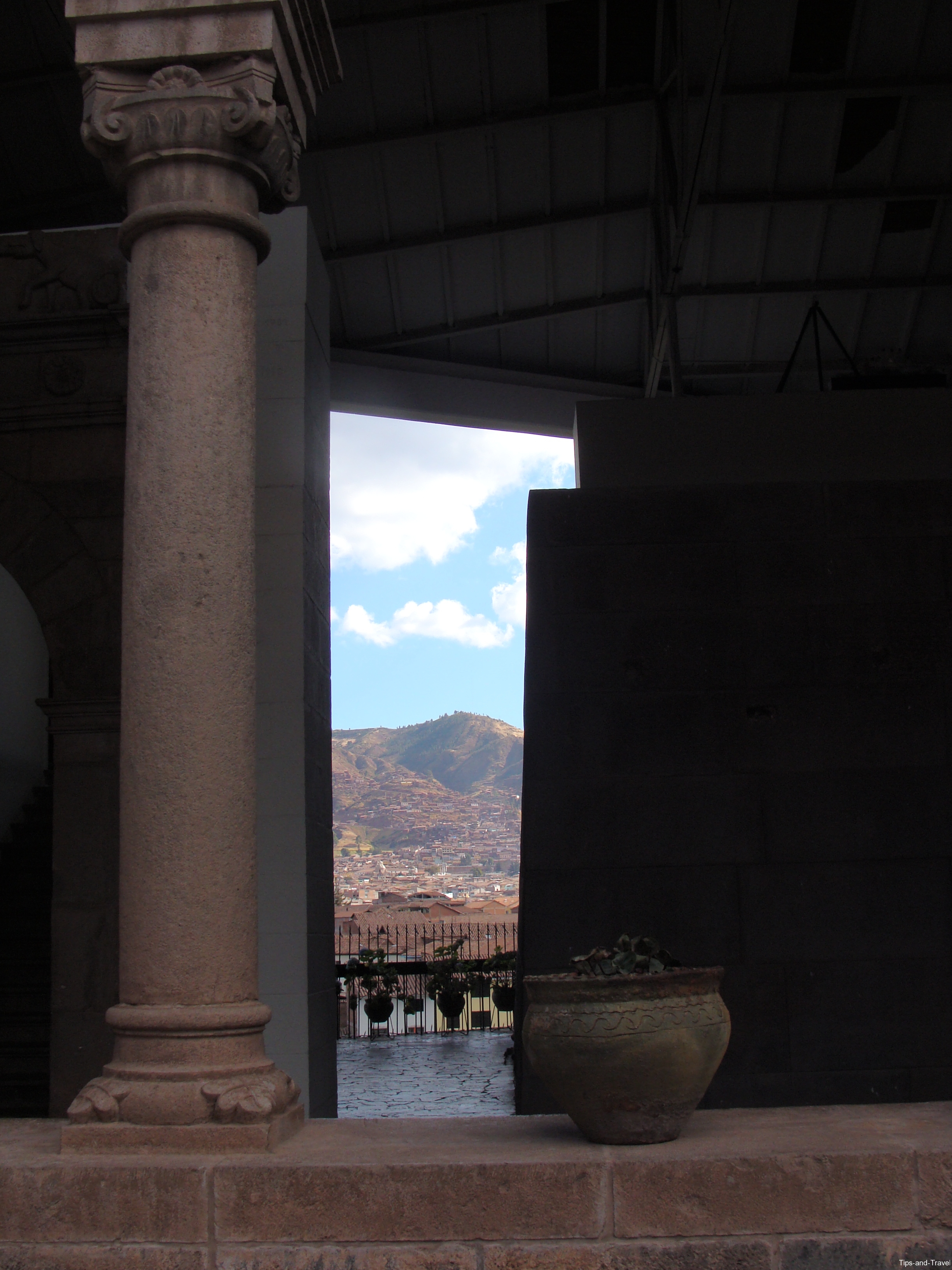
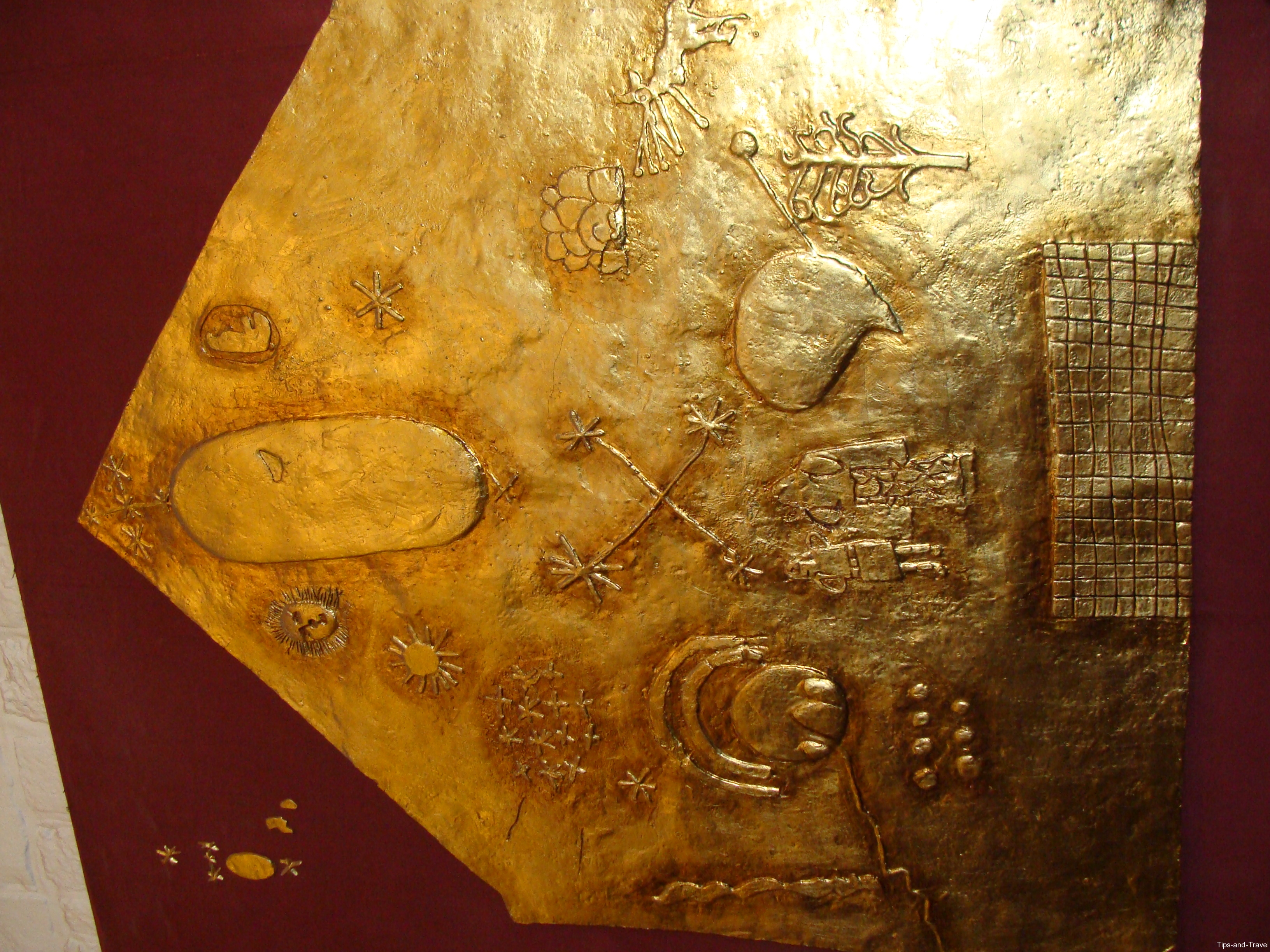
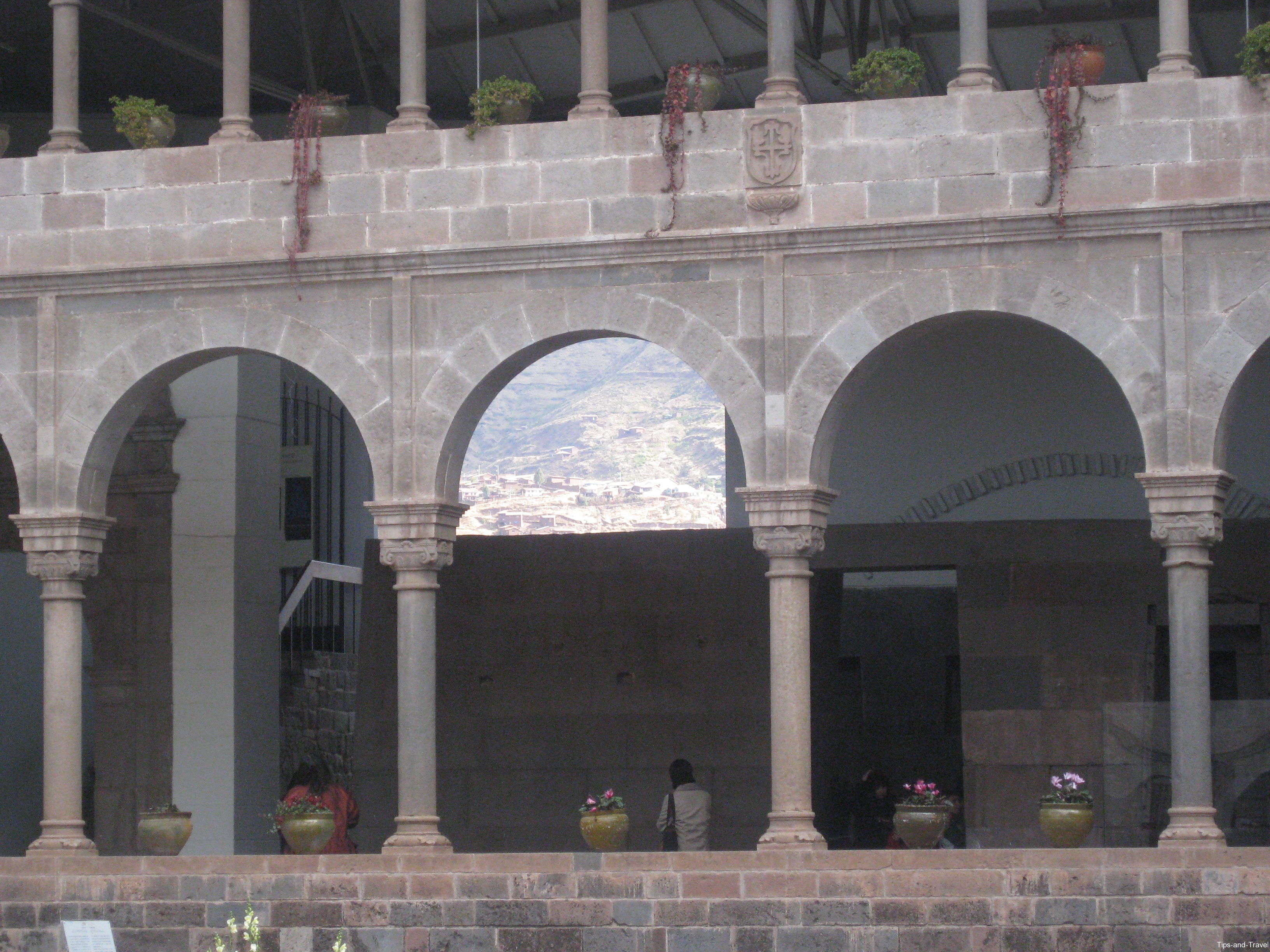
The Temple of the Sun or Coricancha (surrounded in gold in quechua), was the most sacred place of the Empire of the Incas. It’s from Coricancha that the system of Ceques shone, consisting of forty-one imaginary lines, along which there were three – hundred – twenty – eight huacas (buildings), positioned on one side and other of theTahuantinsuyu (the name that the incas gave to their empire, meaning ‘the land of the four quarters’). This particular organization allowed a total control of the empire from Cuzco. It’s exactly at Cuzco that we find substantial remains of this building which was the scene of important ceremonies of the Inca : marriages, sacred, funerals. It is there that their mummies were preserved, sitting on golden thrones. Its great walls of stone, in Inca’s style, measuring 140 m long and 135 m wide; were richly decorated. Spanish chroniclers have abundantly described its fabulous treasures, until they have melted or disappeared; the edge of the temple, the walls painted in blue, was adorned with a huge gold cornice, altars, doors, statues, were decorated with plates of gold and silver, sometimes inlaid with precious stones reflecting the light of the dayduring the day and at night with the torches. The sactuaire door was adorned with gold and silver patterns. Above the altar, there was a large gold disc representing the sun; for its strategic position, the rays of the rising sun beat on it and did it shine. At he arrival of the Spaniards, the golden plates covering the walls were torn and the mummies of the ancient Incas desecrated. The only things that remained standing were the foundations that, shortly after, served as basis for the construction of the Church and the convent of Santo Domingo.
Tips

Cuzco is located at 3,400 metres of altitude so consider that during the night it’s cold but in the day, especially from April to October, there’a lot of sunshine so you should be careful not to get ill cause of the hot temperatures. Sunglasses and solar protector are suitable.

Alcatraz, San Francisco, California, USA

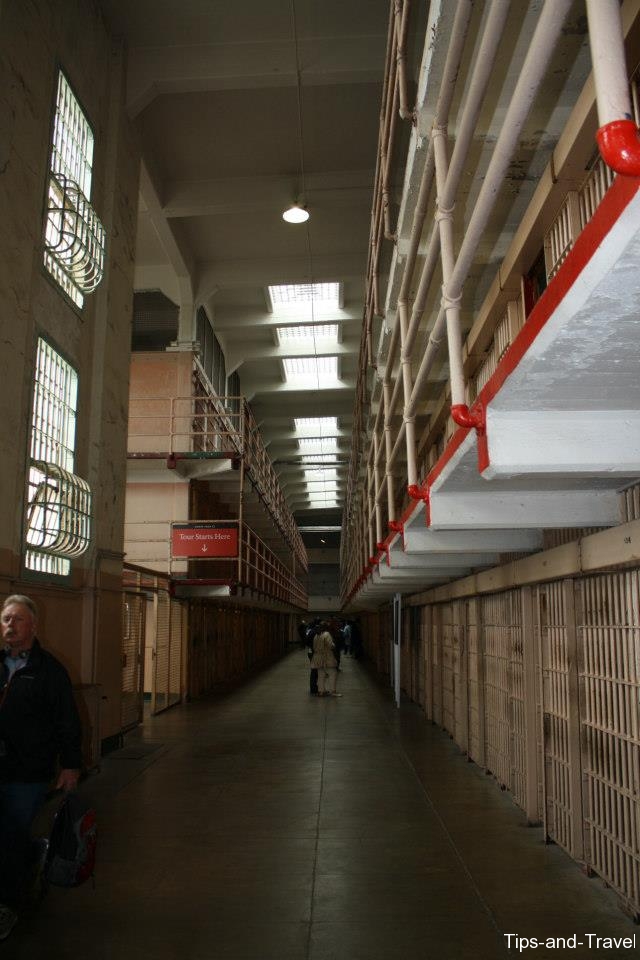
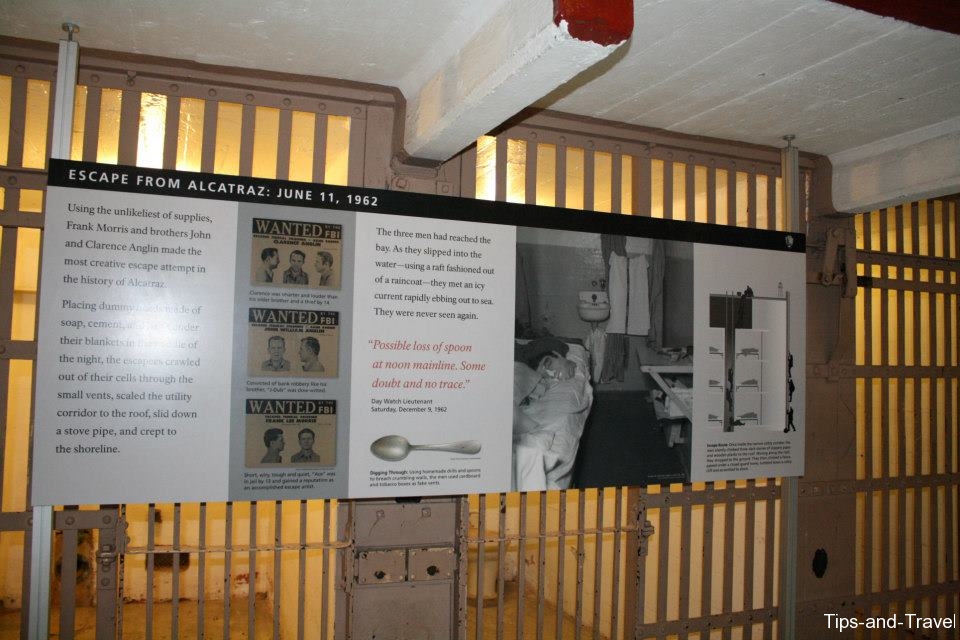
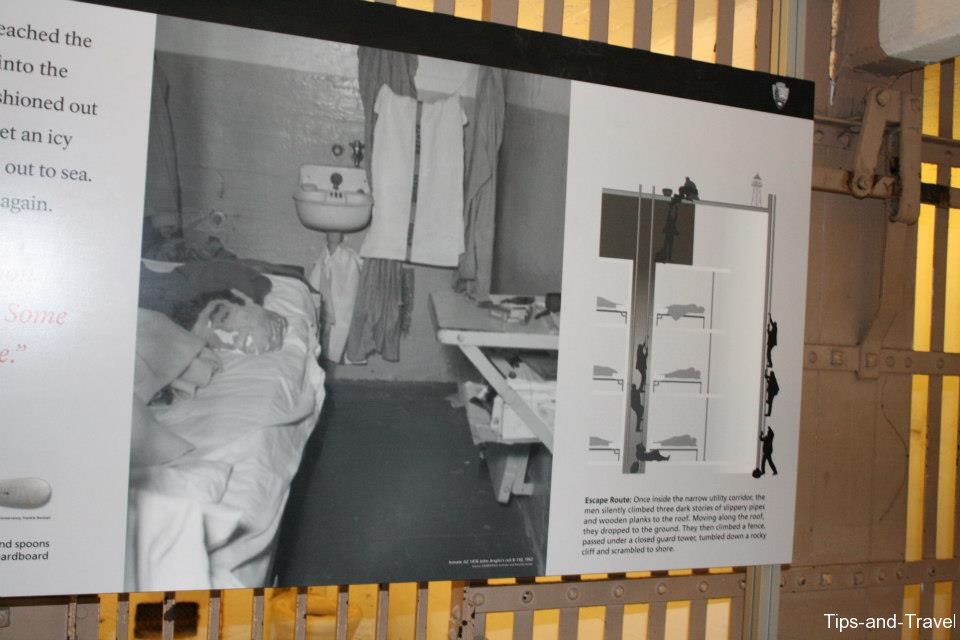
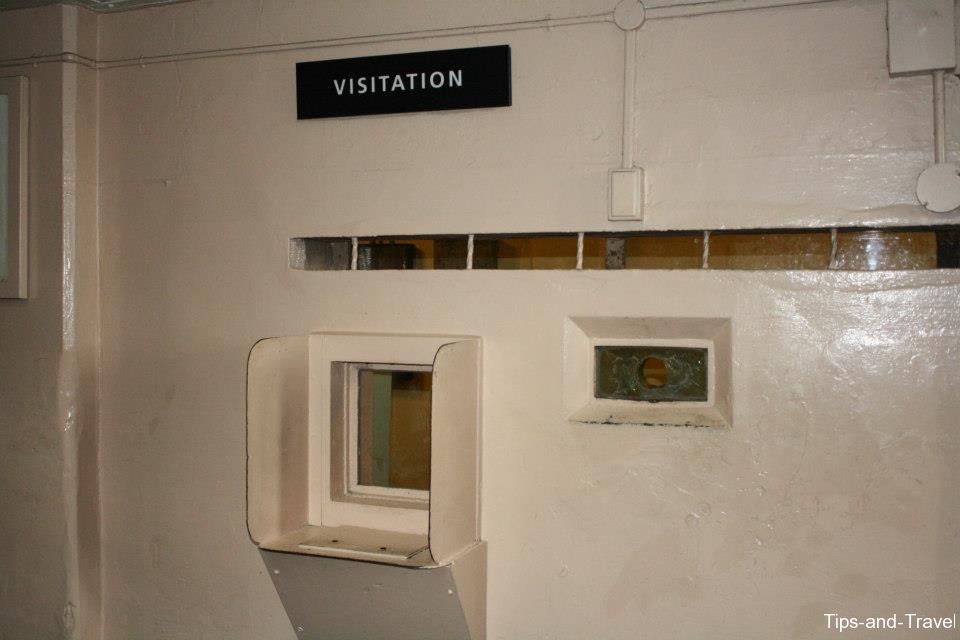
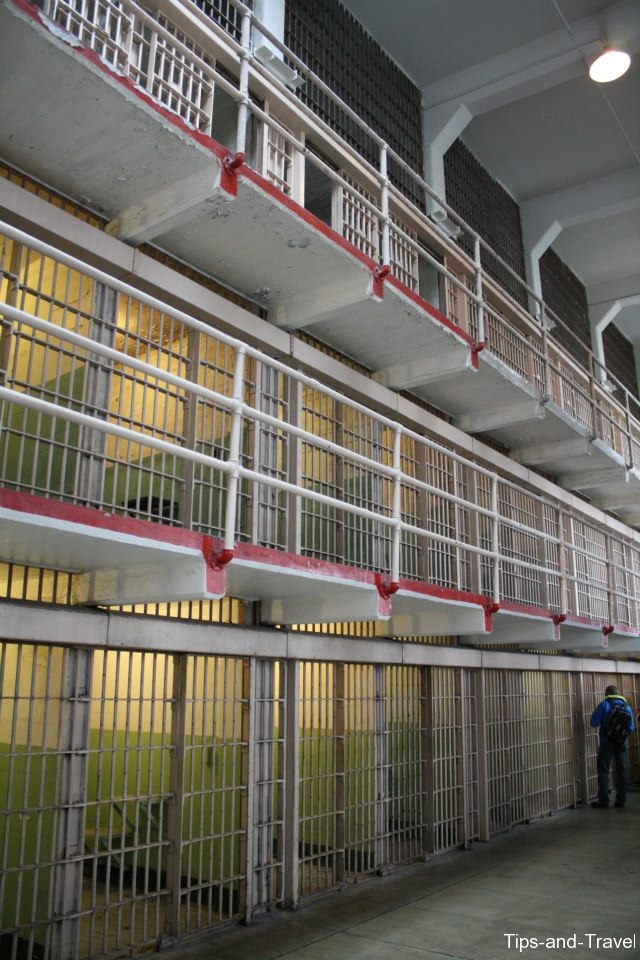
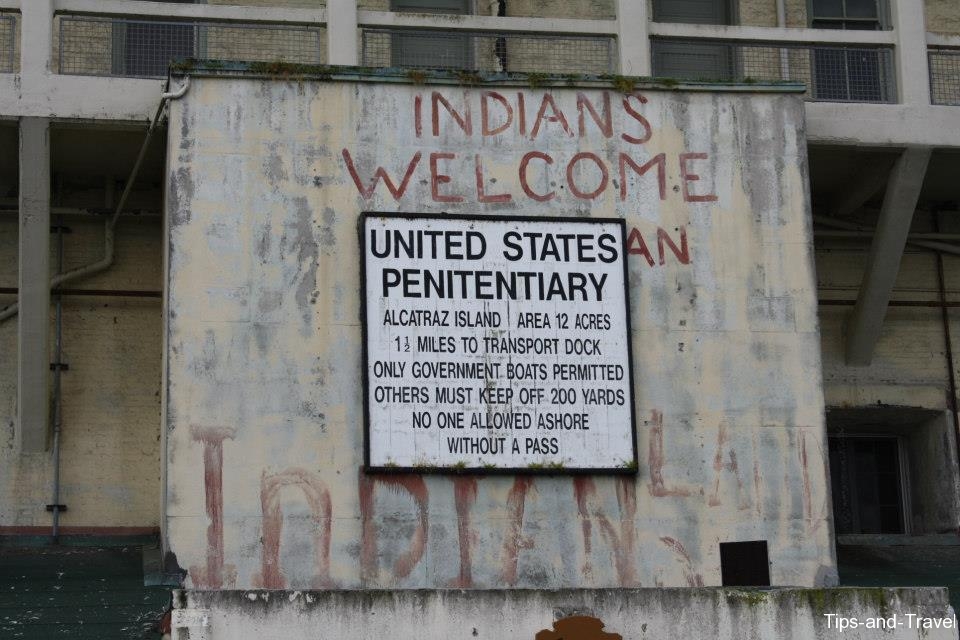
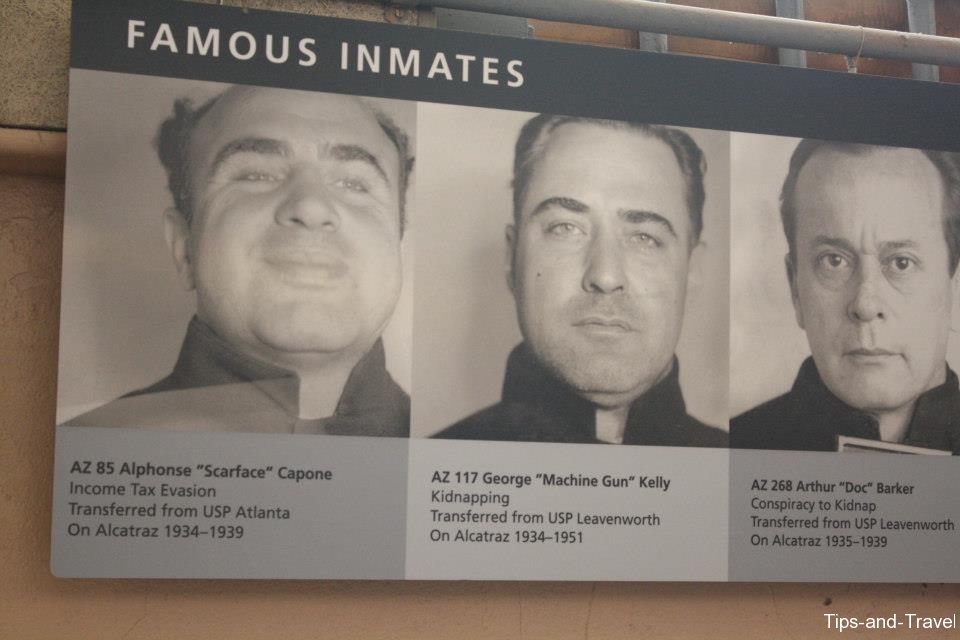
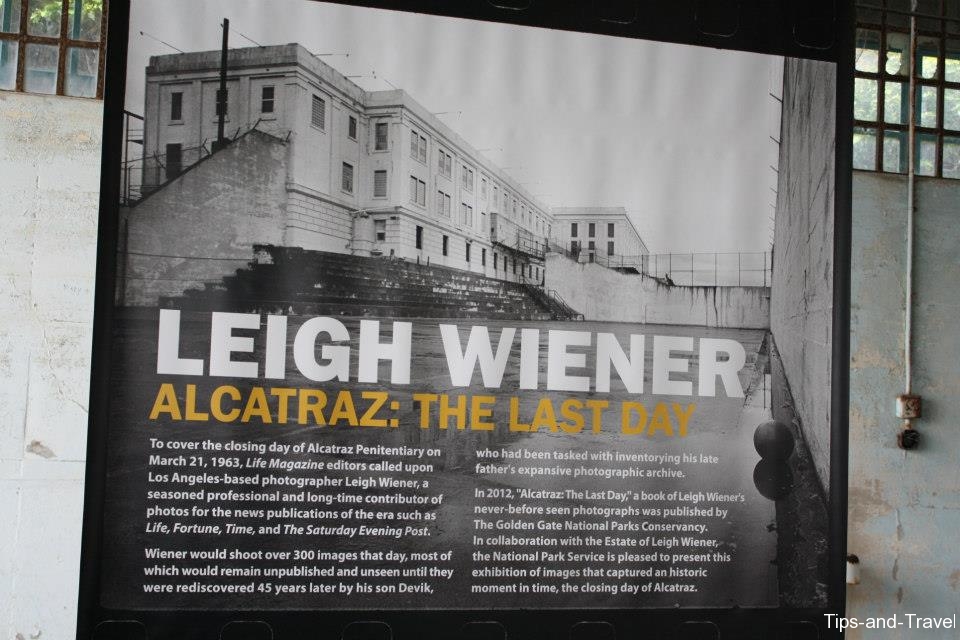
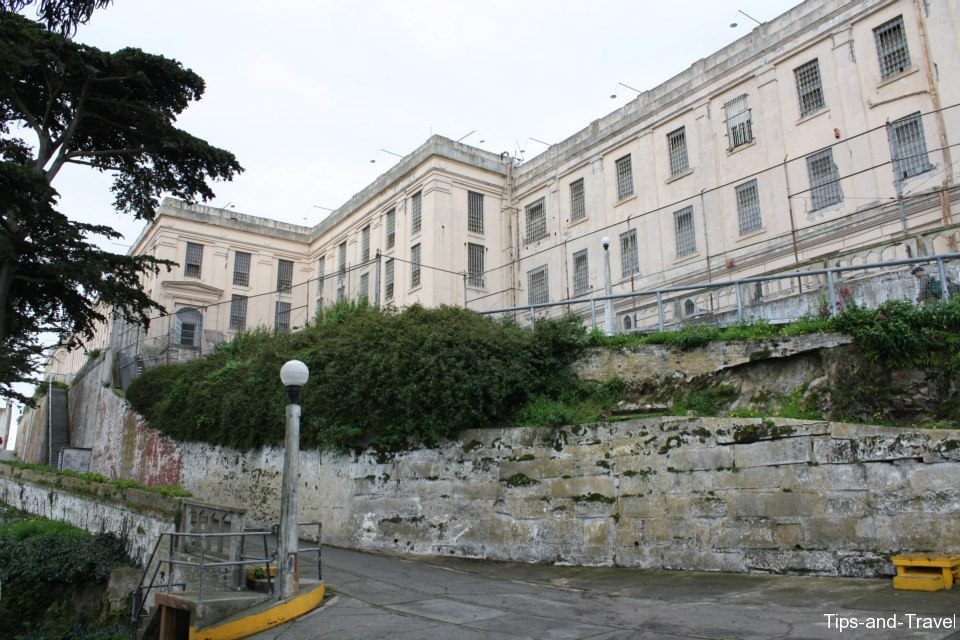
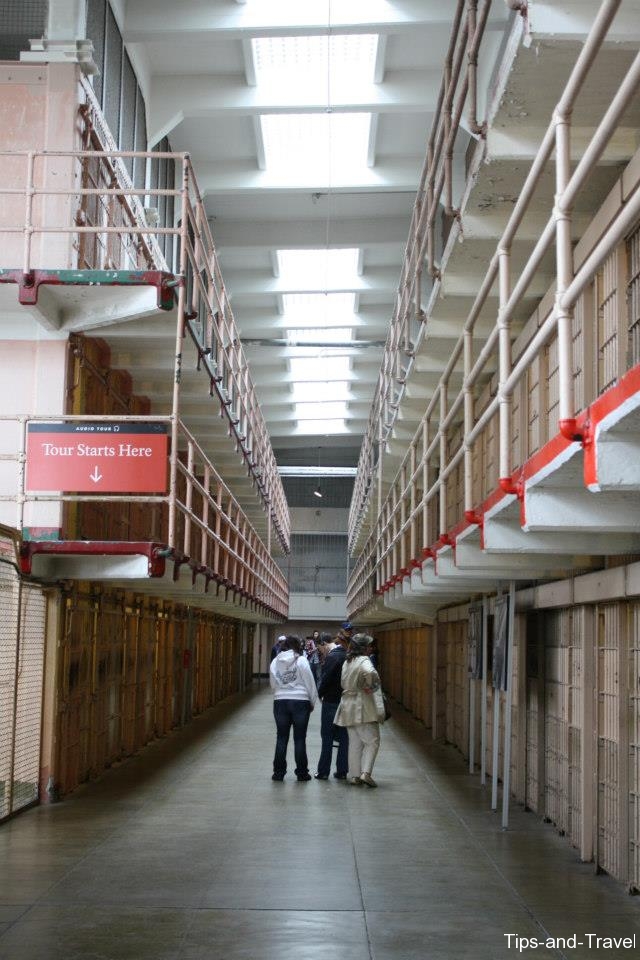
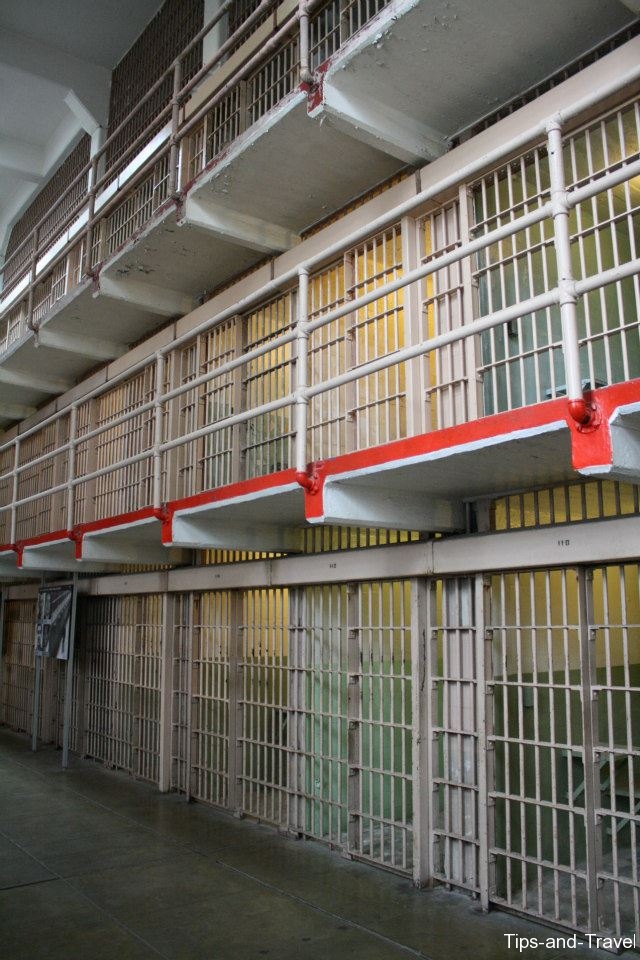
The prison of Alcatraz lies on the island of the same name, in the Bay of San Francisco, 2.4 km from the coast of San Francisco in California, in the West of the United States. On the island there were fortifications with cannons, after the civil war, technological advances made obsolete fortifications and armaments. The cannons were phased out. In 1868, after a development, Alcatraz officially became a place of detention for military prisoners. After the 1906 San Francisco earthquake and fire, civilian prisoners were transferred to Alcatraz. Isolation, cold waters and the violent currents of the Golden Gate made Alcatraz a place which prisoners should not be able to escape easily . In 1909 began the construction by military prisoners of a large concrete block which included 600 cells, a kitchen, a refectory, an infirmary and offices, completed in 1912 the block became known on the nickname of ‘The Rock’. In 1934, the government decided to make Alcatraz federal prison a model of prison offering a maximum of security to prevent escapes and not giving privileges to prisoners who couldn’t negotiate their conditions of imprisonment. On March 21th, 1963, the general Attorneyof the United States Robert Kennedy decided its closure because the costs were too high. The federal government felt ultimately that it was more economical to build a more modern prison than renovate Alcatraz to keep it in service. Alcatraz has hosted the most dangerous prisoners in the country: Al Capone, George ‘Machine Gun’ Kelly, Alvin Karpis, Robert Stroud and Arthur ‘Doc’ Barker. Lots of 1.576 prisoners that passed by Alcatraz were detained because they refused to comply with the rules in other federal prisons, were considered violent or were at high risk of escape. The prisoners had 4 rights: to eat, to be dressed, be sheltered and receive medical assistance in case of need and they could work, correspond with the outside world and receive visits. The prison had a library and also organized activities like painting and music. During the weekend the detainees could play baseball or softball for a few hours . During its existence, 36 prisoners tried to escape during 14 different attempts. There were just 3 of them who have never been found but that they assume that they were drowned.
Alcatraz is visited by more than a million people per year.

Tips

The only way to get there is to take the ferry from San Francisco. Departures begin at 9:00 every morning and it is advisable to make a reservation during the summer season. The visit is free of charge and the price of the crossing includes an audioguide. You must calculate between 2 and 3 hours for the visit. There is no possibility to sleep on site, or buy food.
If you like taking photos, you can get beautiful views of the city of San Francisco, the bay and the Golden Gate Bridge from there.