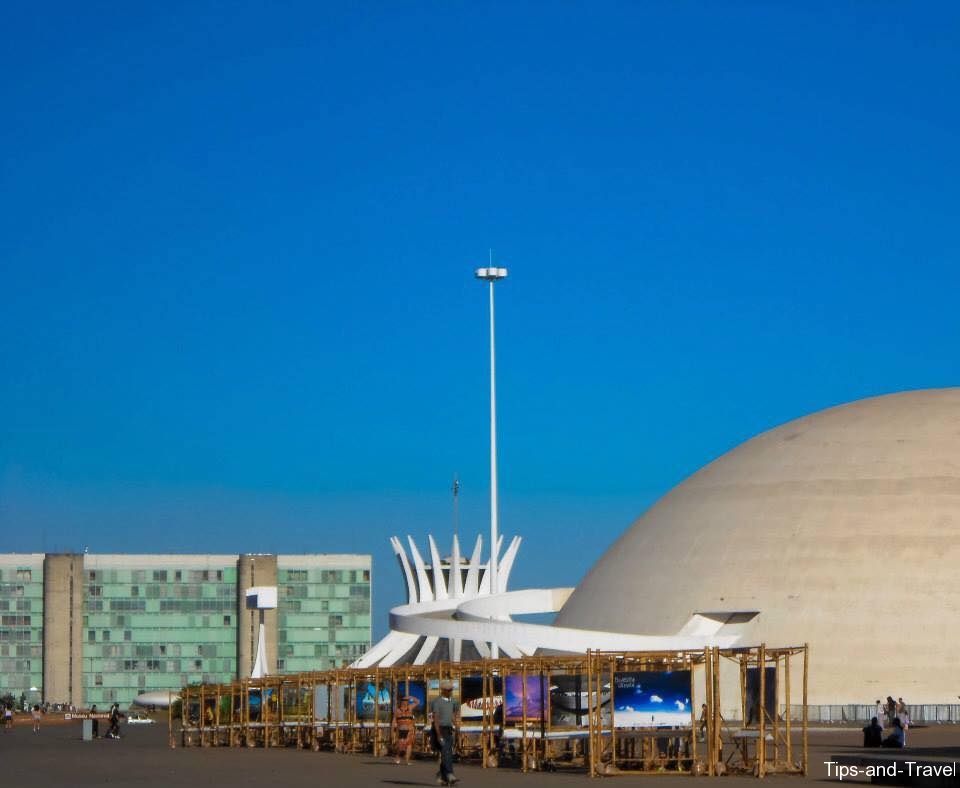
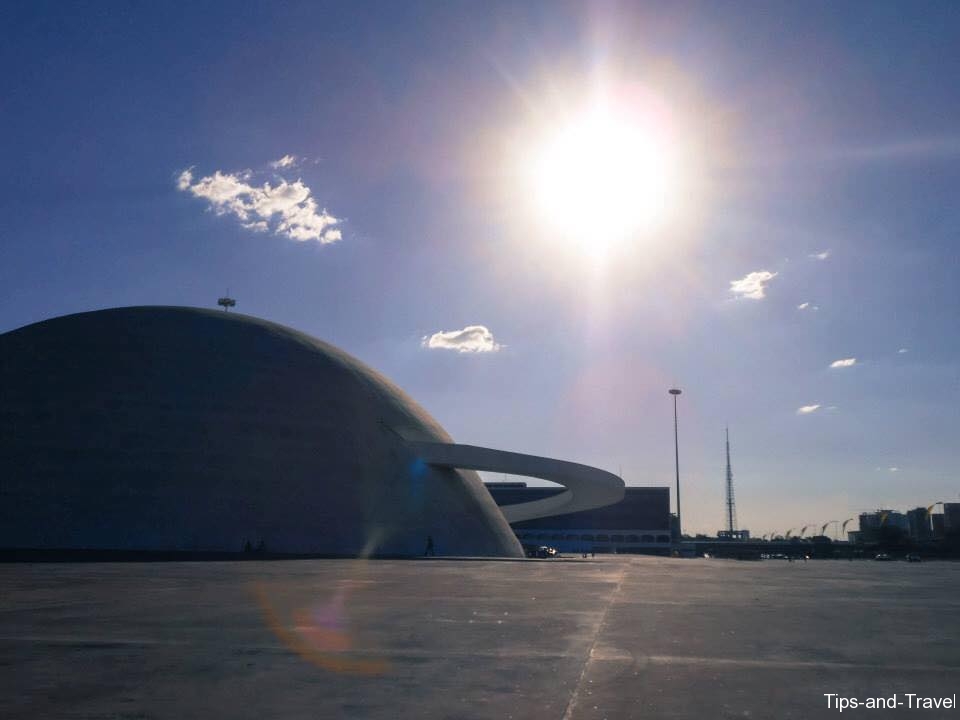
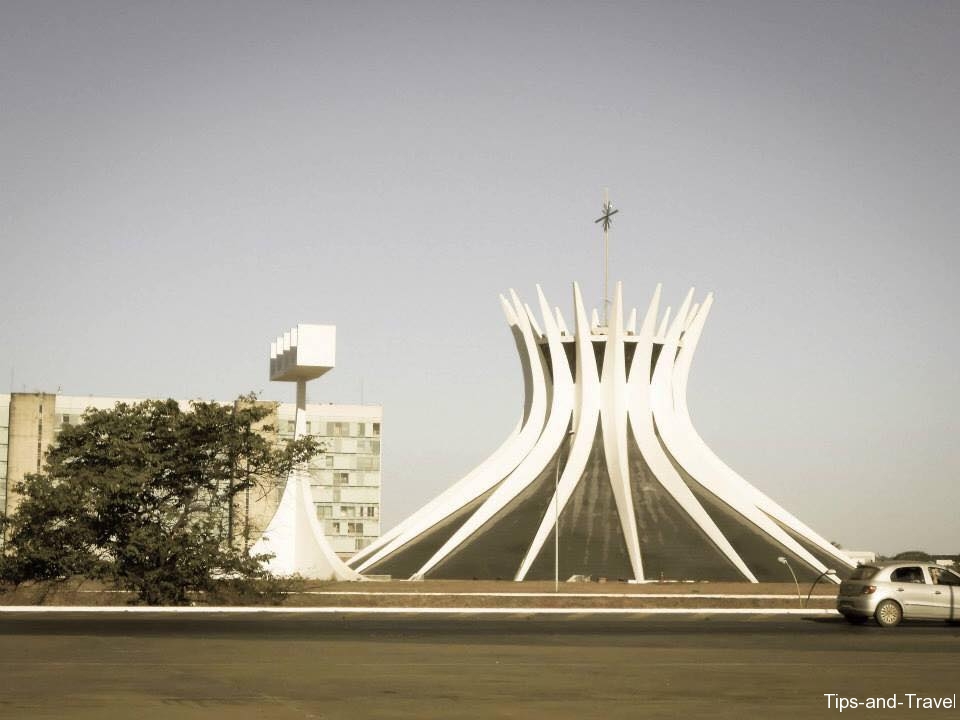
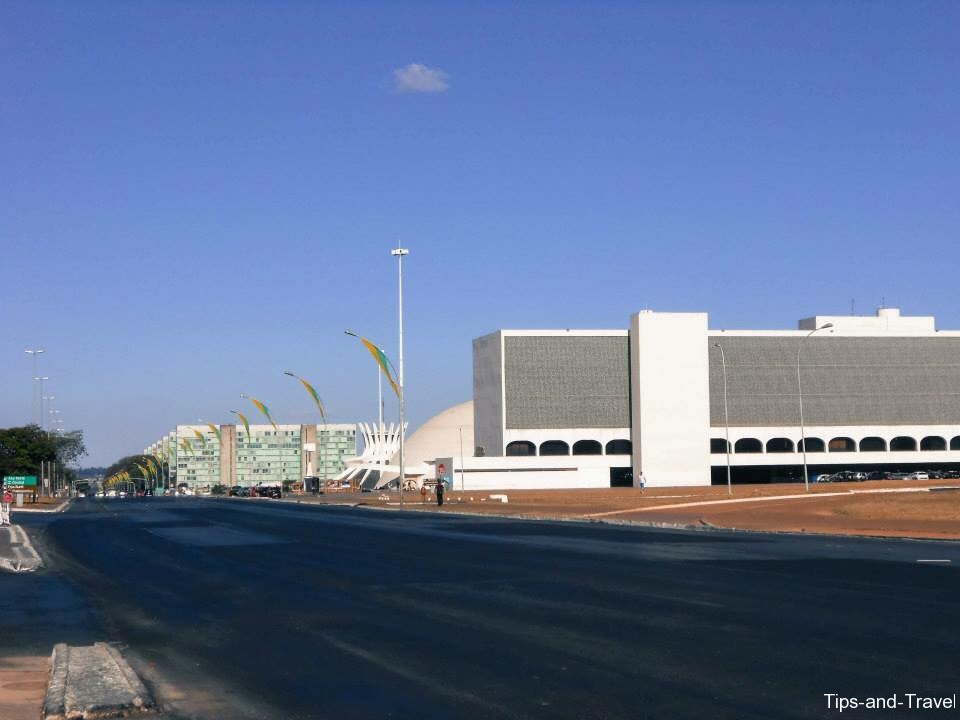
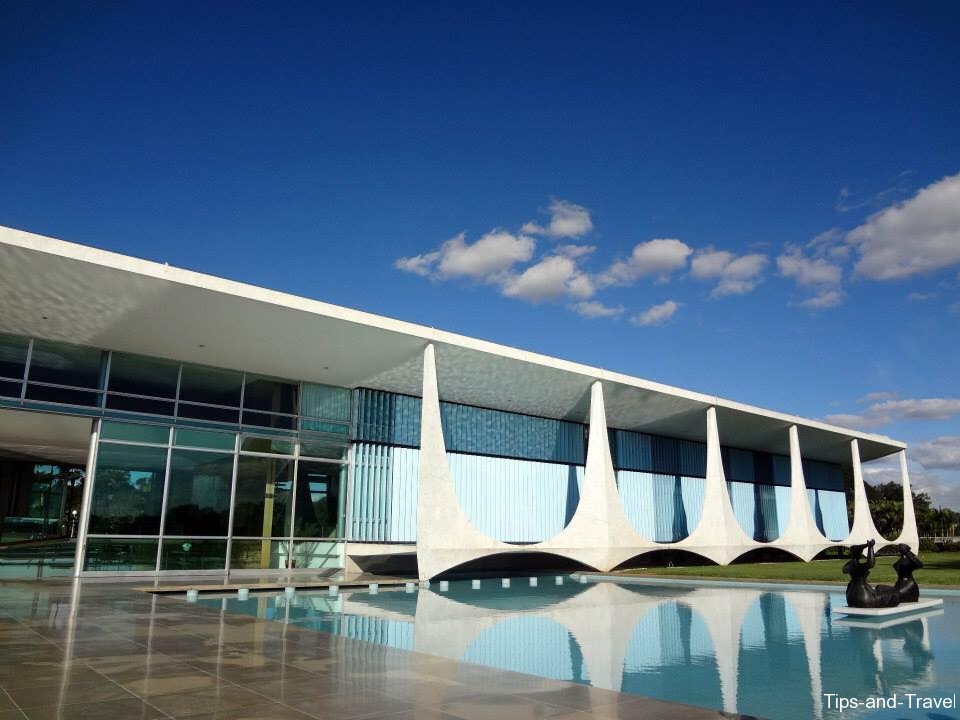
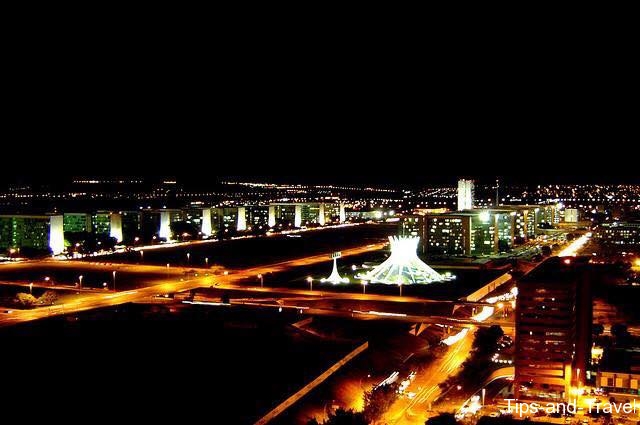
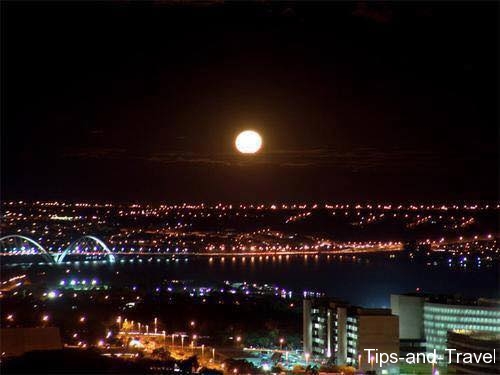
Brasilia is the capital of the federative Republic of Brazil and the seat of Government of the federal District, fourth most populous city in Brazil. Its construction dates from the 1960s and was born through the project to create a new capital inland to better distribute the wealth and population, largely concentrated on the sides, and put an end to the rivalry between Rio de Janeiro and São Paulo. She became one of the capitals most recently built in the world but also one of the cities more quickly built (2000 days), under the guidance of visionary President Juscelino Kubitschek, architect Oscar Niemeyer, urban planner Lucio Costa and architect Roberto Burle Marx. View from the sky, Brasilia design evokes the shape of a plane (or of a hummingbird), with each of its strategically arranged architectural wonders and its residential and commercial blocks. Administrations and major state agencies leave Rio de Janeiro to settle in the new capital. The move was not easy because some officials refused their mutation. Brazil had even threaten some states of a rupture of diplomatic relations if they didn’t move their embassies. The ideal plan was to accommodate 500,000 people but today there are just over two and a half million inhabitants. They also built satellite towns and it is inhabiting the vast majority of the population. The city is bordered by the Paranoá Lake, which is water artificially created together with Brasilia. Masterpiece of modern architecture, Brasilia was declared world heritage of humanity by UNESCO. The residential areas are functional and self-sufficient with shopping malls, schools and parks nearby. To see: the Cathedral, the National Congress, the square of the three powers, the Memorial JF, Dom Bosco sanctuary, among others.
Tips
The city can be visited by car or bus because it is large enough. You must make sure to book your hotel in advance because half of room is already occupied by people who work in the Government or who have to do with him.
One of the most popular attractions is Lake Paranoá and its activities: surfing, kitesurfing, kayaking, etc. You can also make ideal swimming for warm, dry days. Another option to refresh is visiting the National Park with its two swimming pools and plenty of green space to walk (30 km) and enjoy to see the typical vegetation of the region with beautiful flowers and hear the birds; the park is home to a number of threatened species, including deer, Anteaters, the giant Armadillo and maned wolves. nice place to relax. You can go by bus.
If you visit the Don Bosco sanctuary, you can also take advantage of the small nearby on lake beaches or green areas for a picnic.
If you want to have a beautiful view of the city visit the television tower, which has a terrace of observation at 75 metres.
The surroundings of the capital are also to explore and if you stay several days there, you can visit the waterfall of Itiquira (about 100 km), 168 metres high, it is the second largest in Brazil. Sites are protected from development and therefore offer outstanding natural beauty.