Warnemünde, Germany

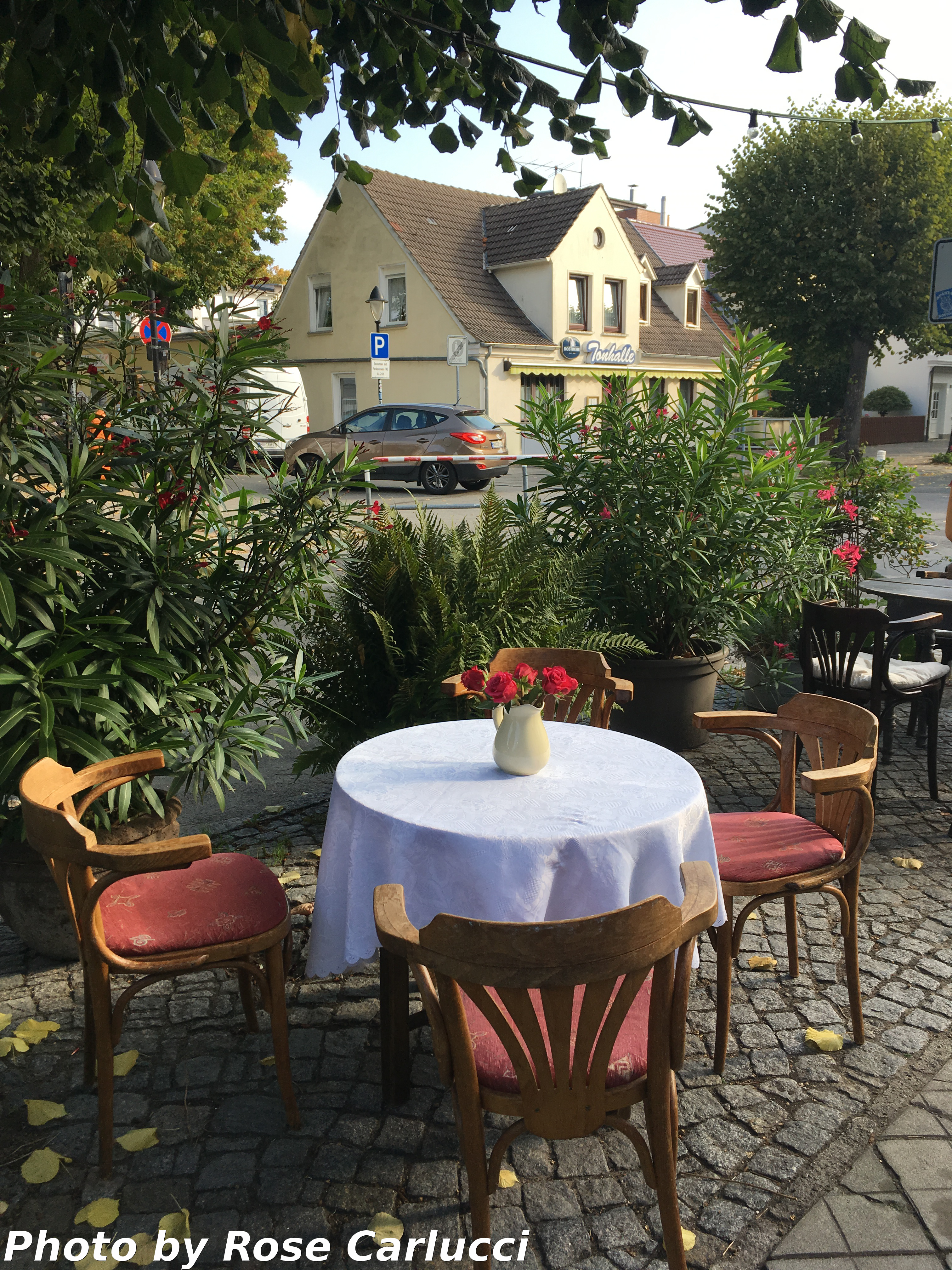
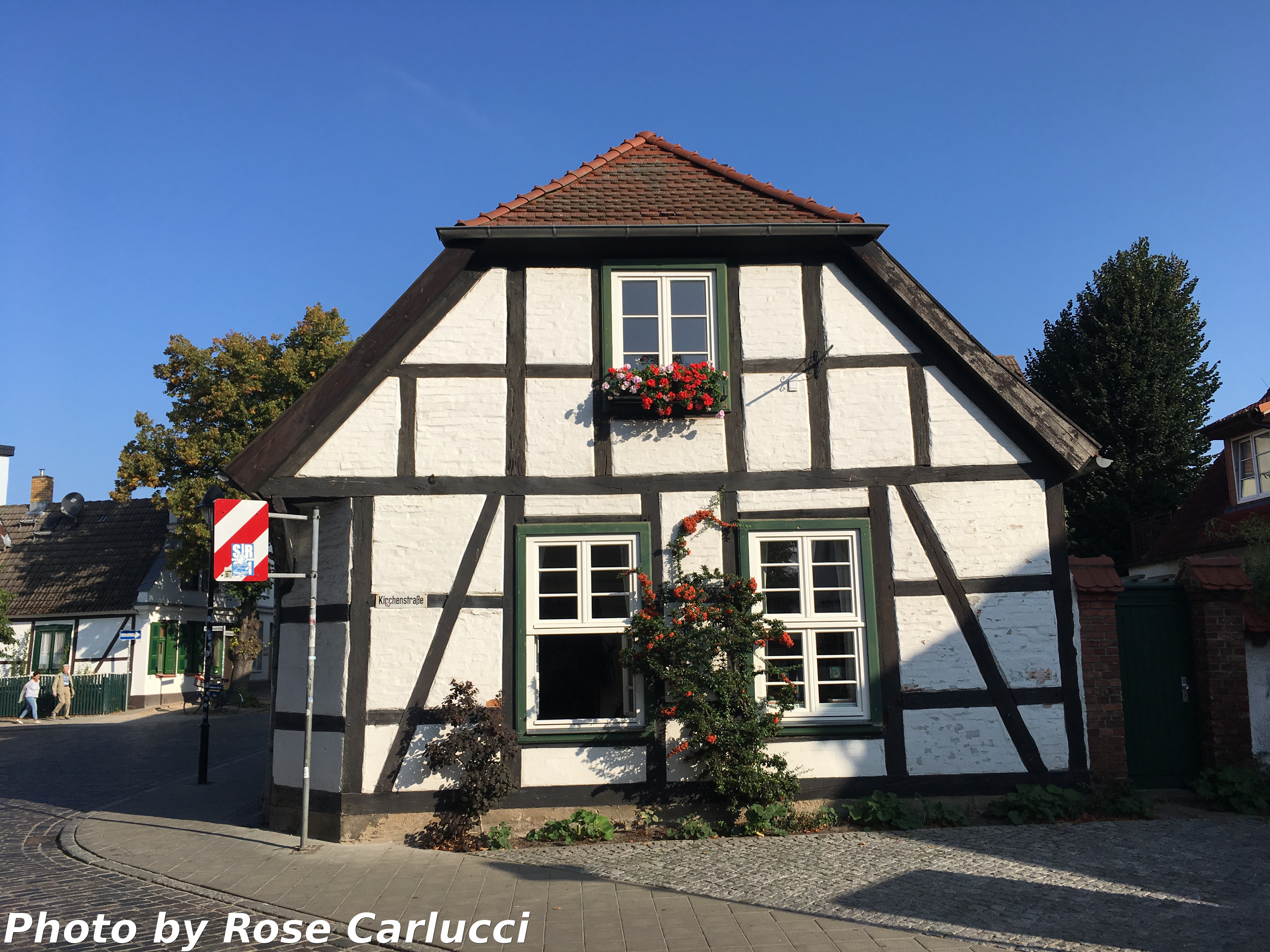
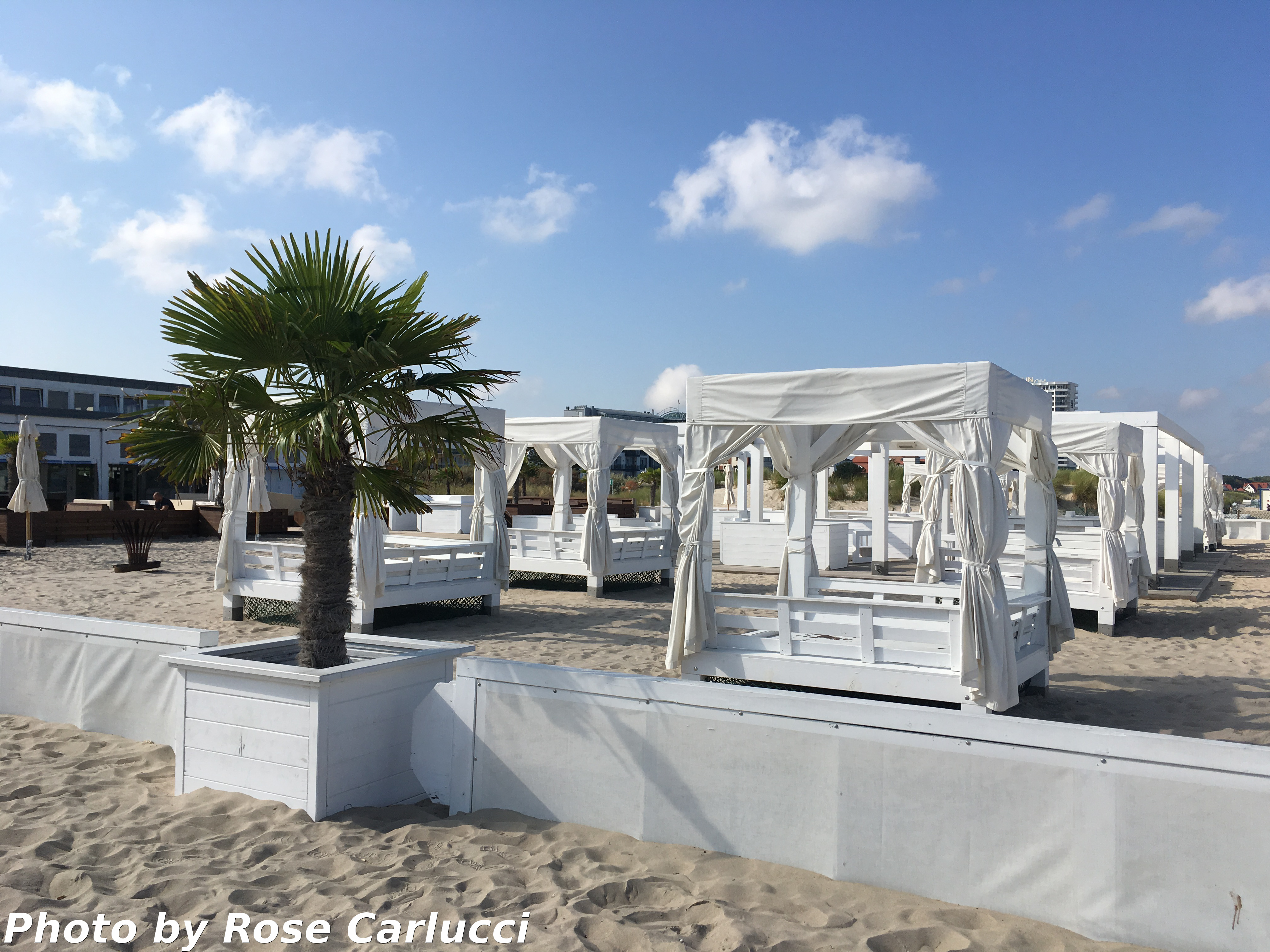
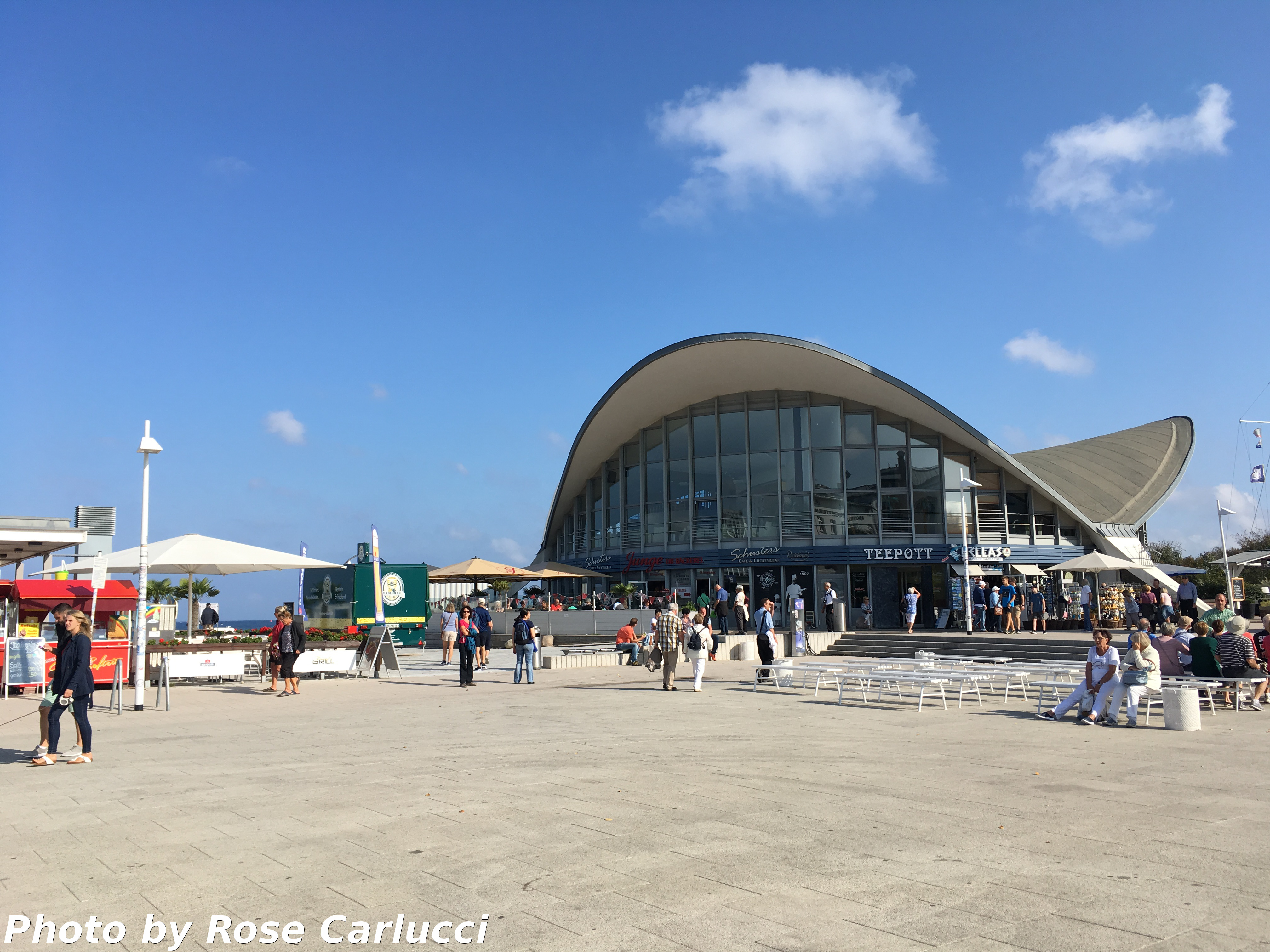
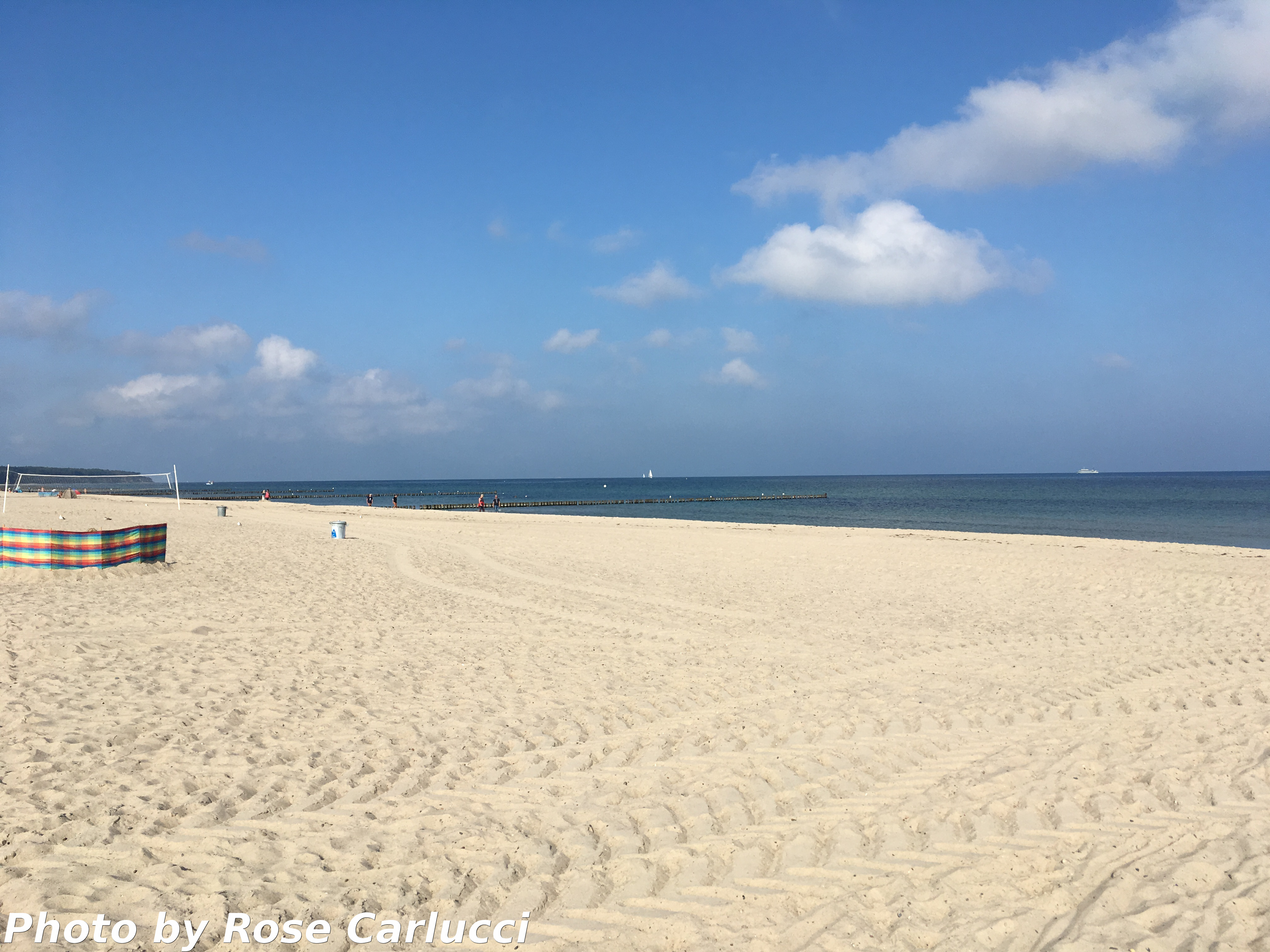
Warnemünde is a seaside resort at the mouth of the Warnow; north of the city of Rostock and overlooking the Baltic Sea. It is a small town known for having beautiful beaches of 150 meters wide, its small fishing port, the sale of fresh fish on the spot and its walk along the Old Canal, with several restaurants, pubs and kiosks selling typical or craft products depending on the season of the year. It is also an important port of call for cruise ships and tourism is one of its most important resources. You can find an old lighthouse built in 1897 that still operates and close to it, a building called Teepott (teapot in German) with a curved roof that dates from 1926; it was renovated in 2002; it houses restaurants. In the old part of the city, you will find picturesque fishermen’s houses, very well maintained. You can also visit the church dating from 1866.

Tips

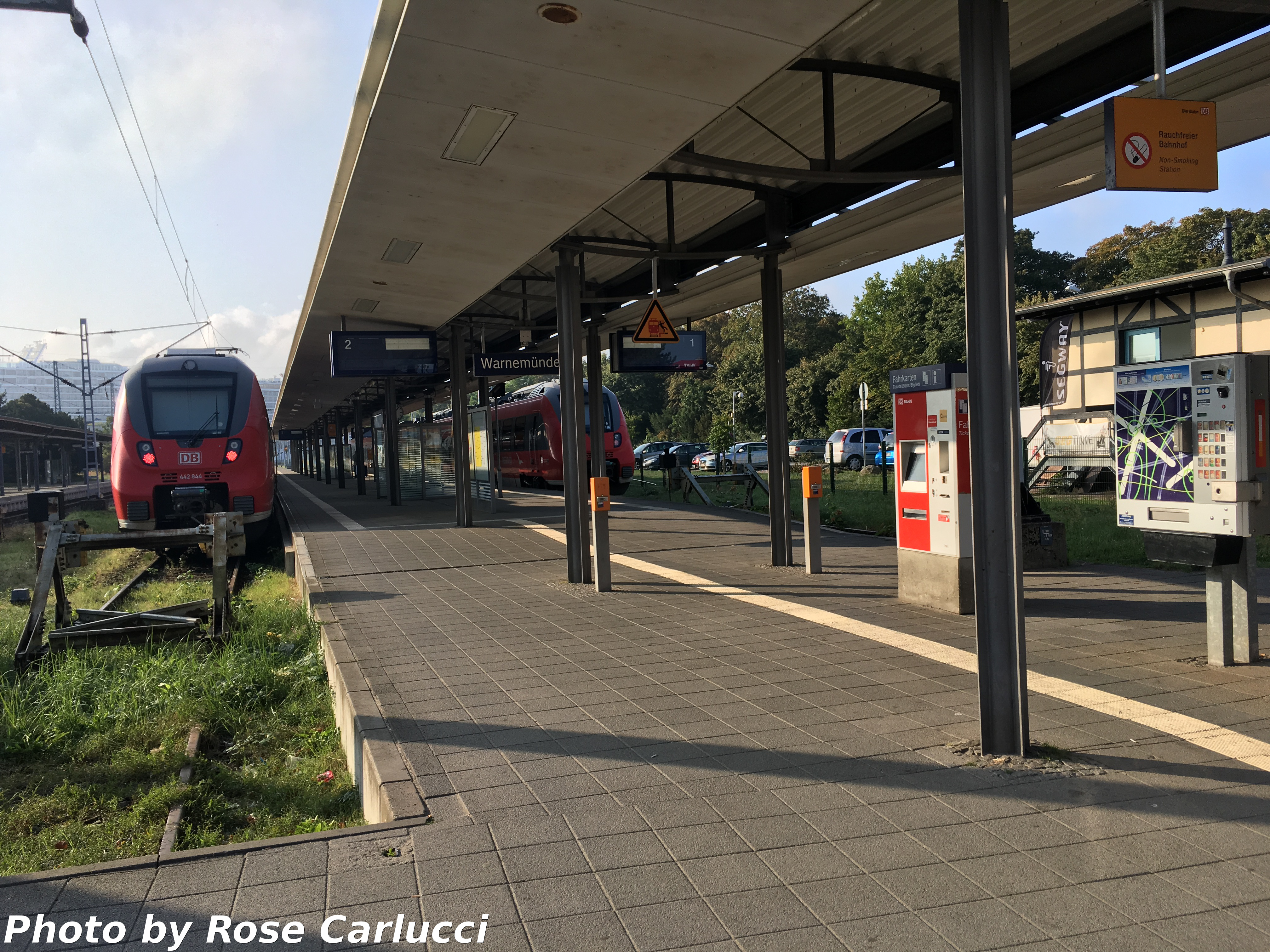
If you want to go to Rostock and you are 4 people or more, you can take a train ticket for the group traveling together and you will get a very good price. You will have to go to the Tourist Office to get it.

If you visit the city while doing a cruise, it is possible to visit Warnemünde and Rostock in the same day.

In summer it is possible to visit the lighthouse tower (37 meters high) from where you can have a very beautiful view of the Baltic Sea even as the northern districts of Rostock.
Lisbon, Portugal

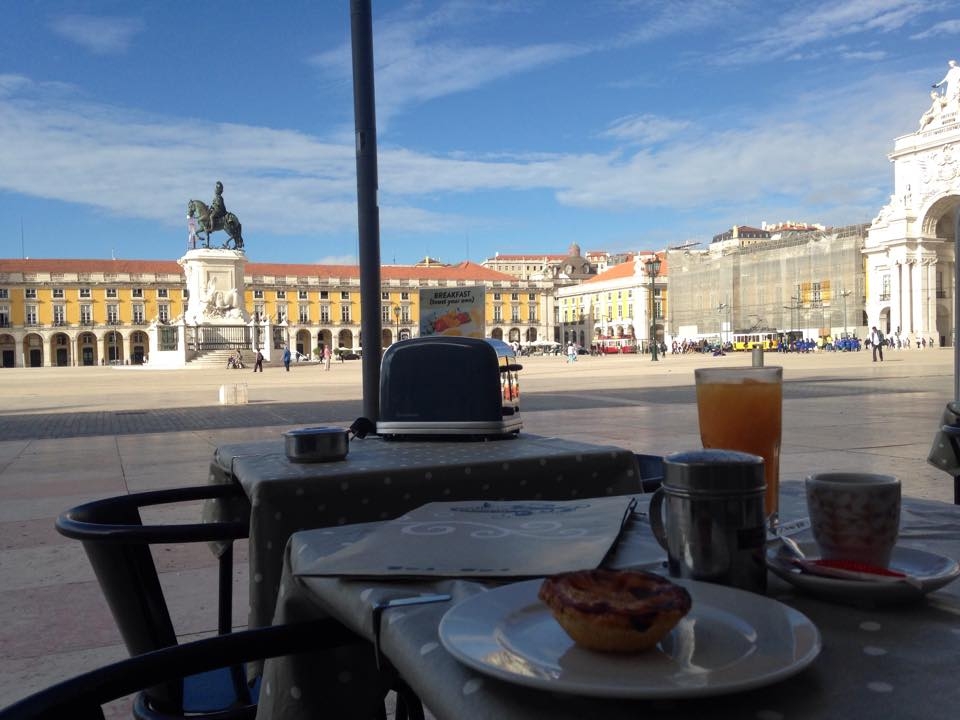
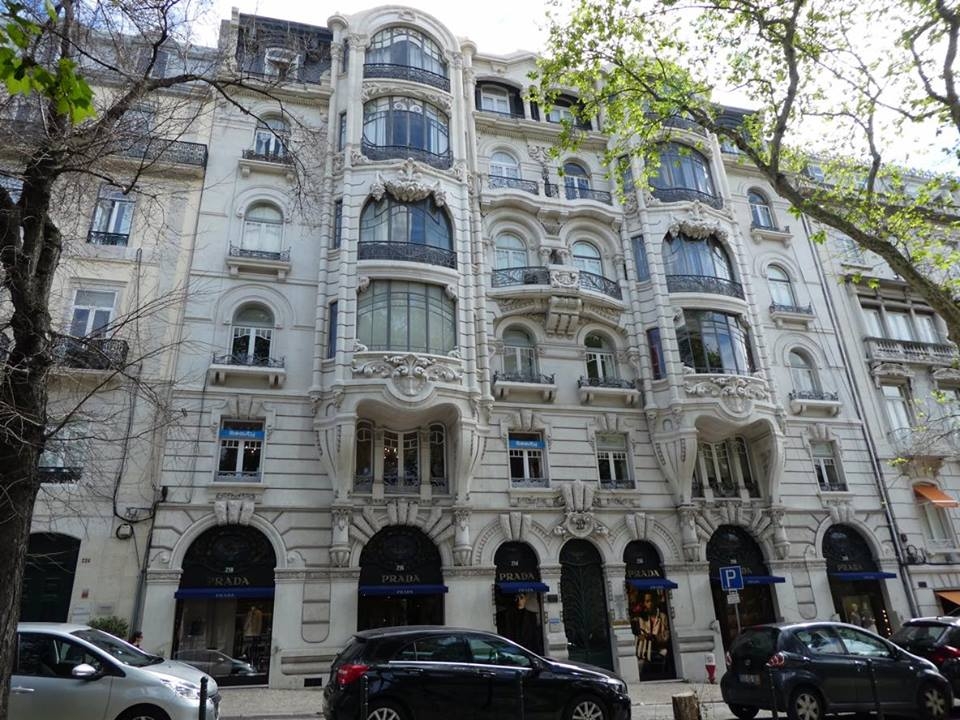
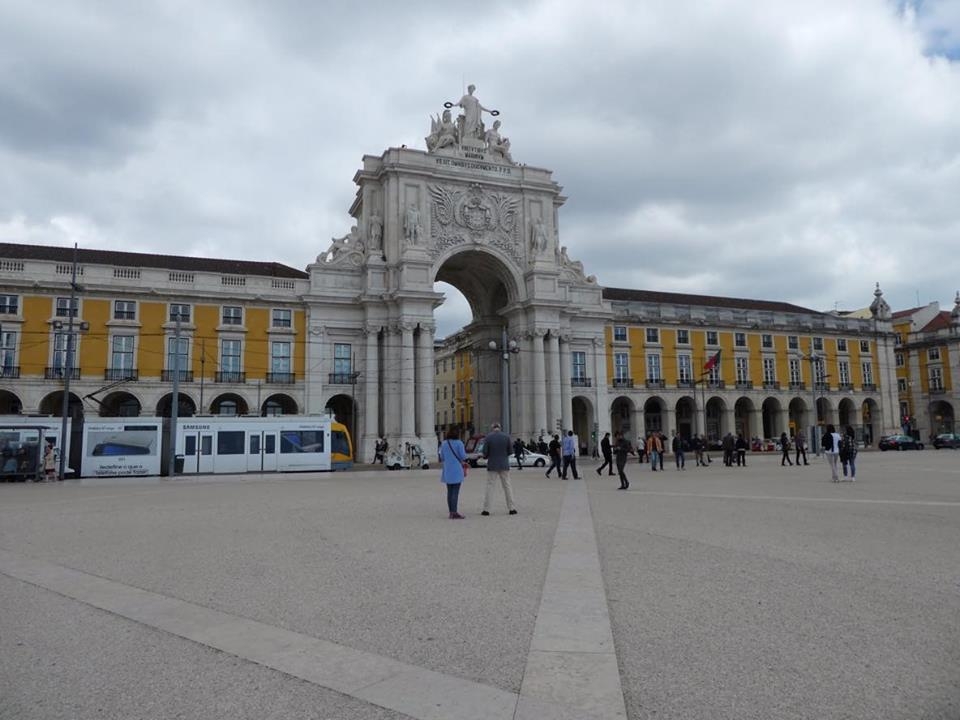
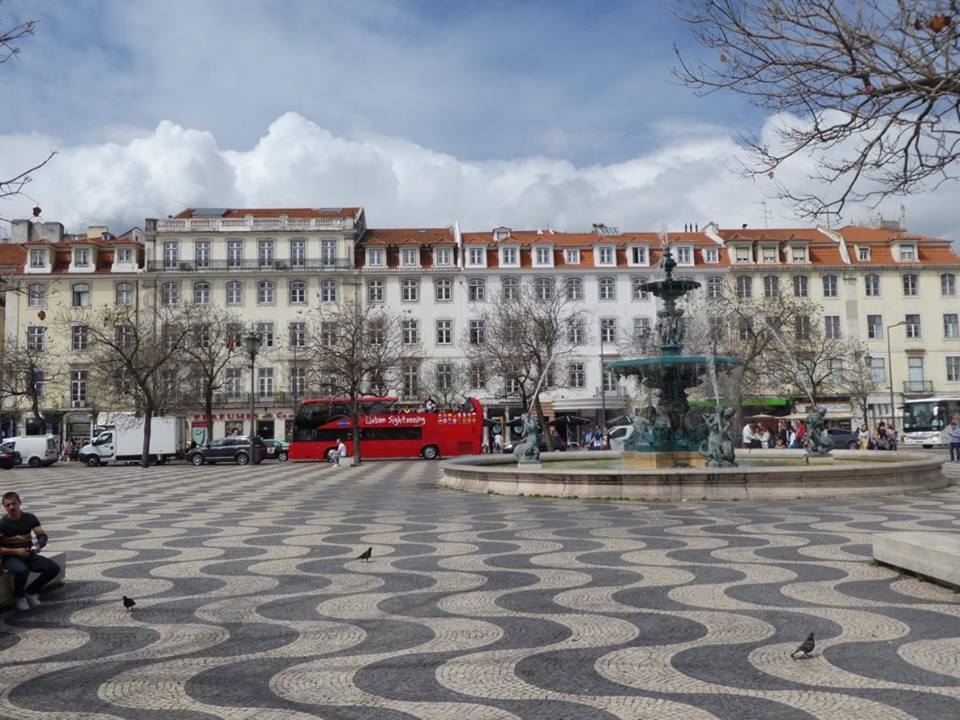
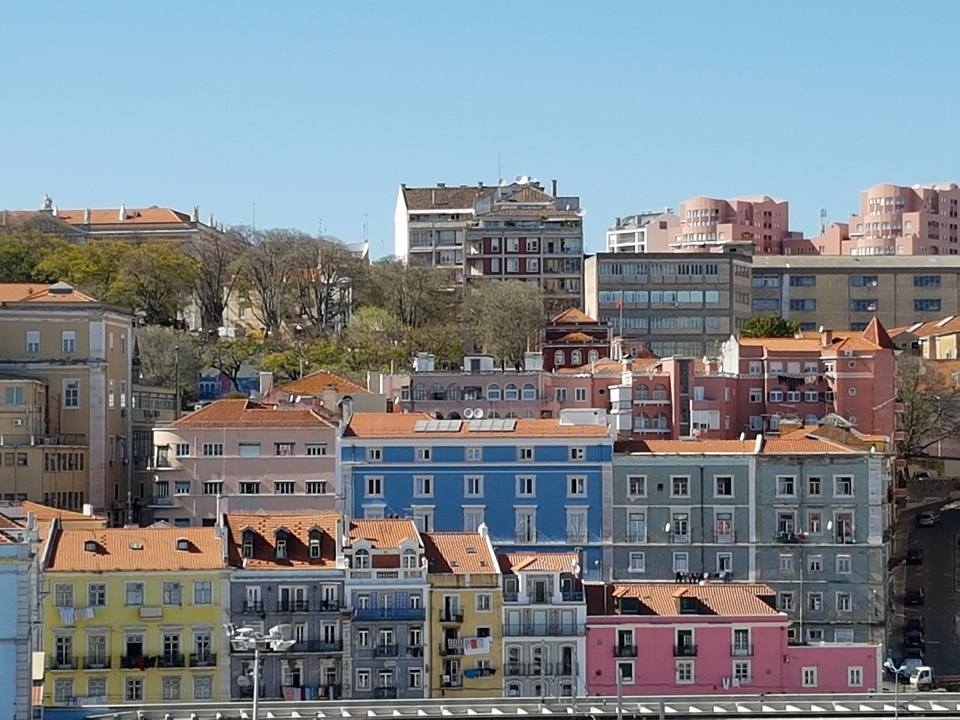
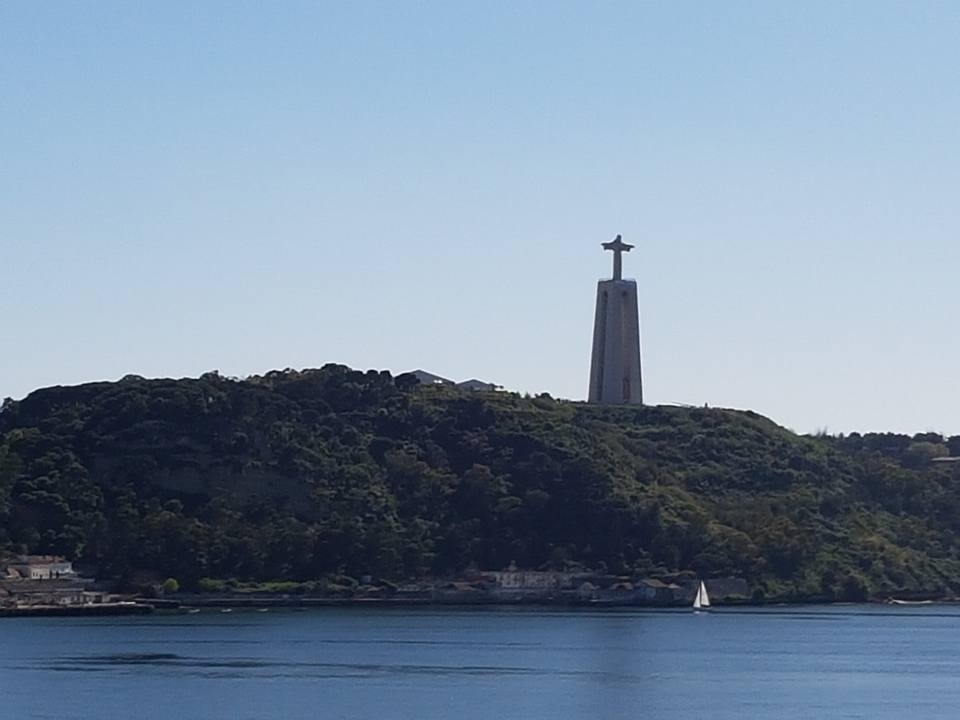
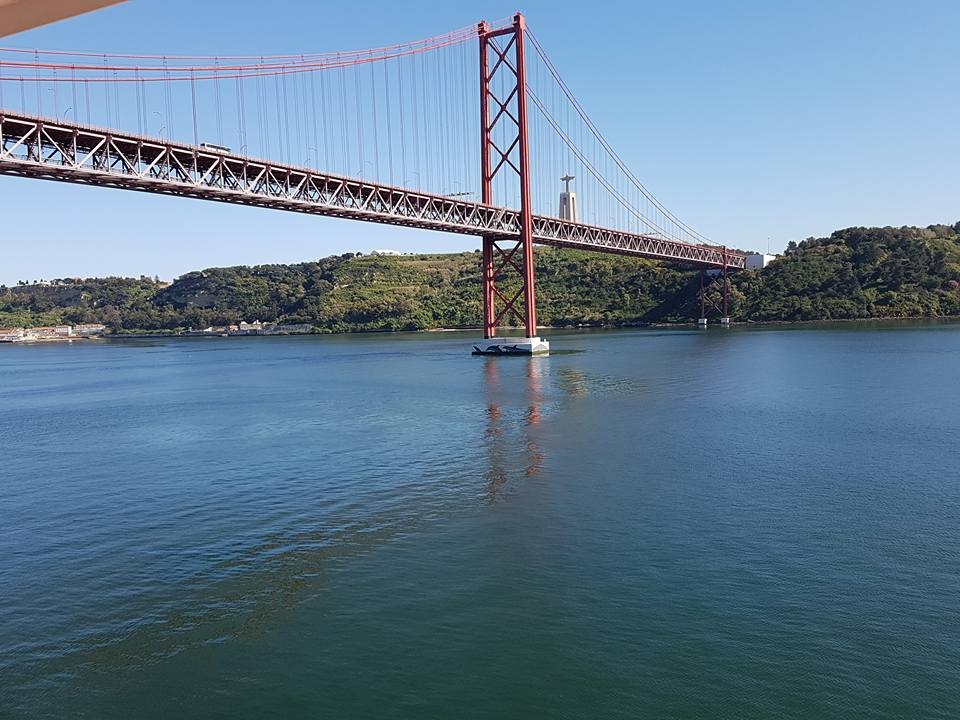
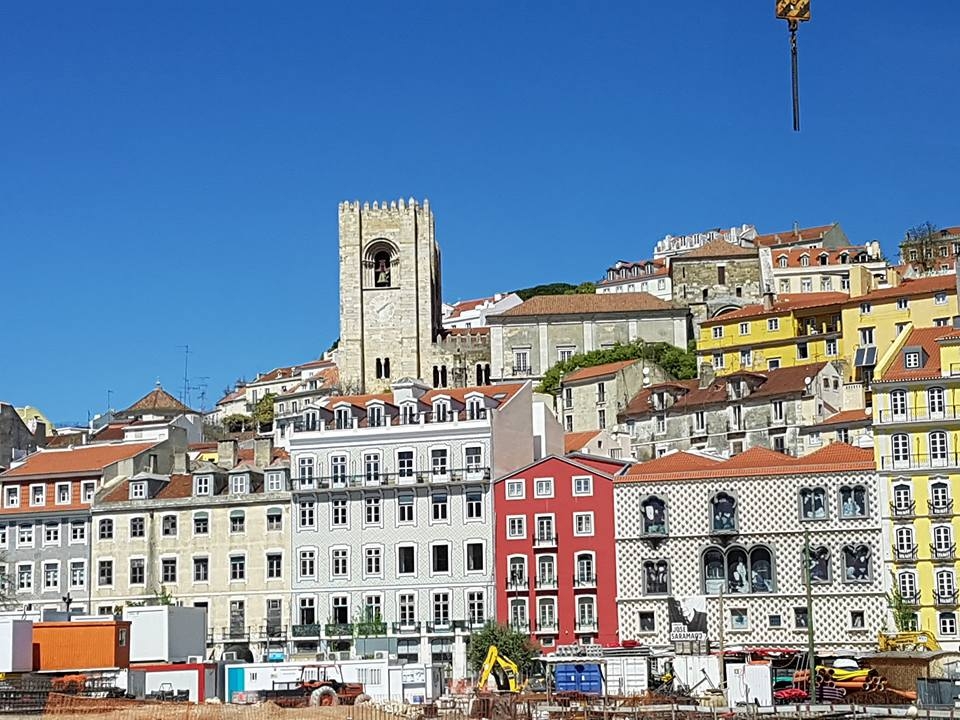
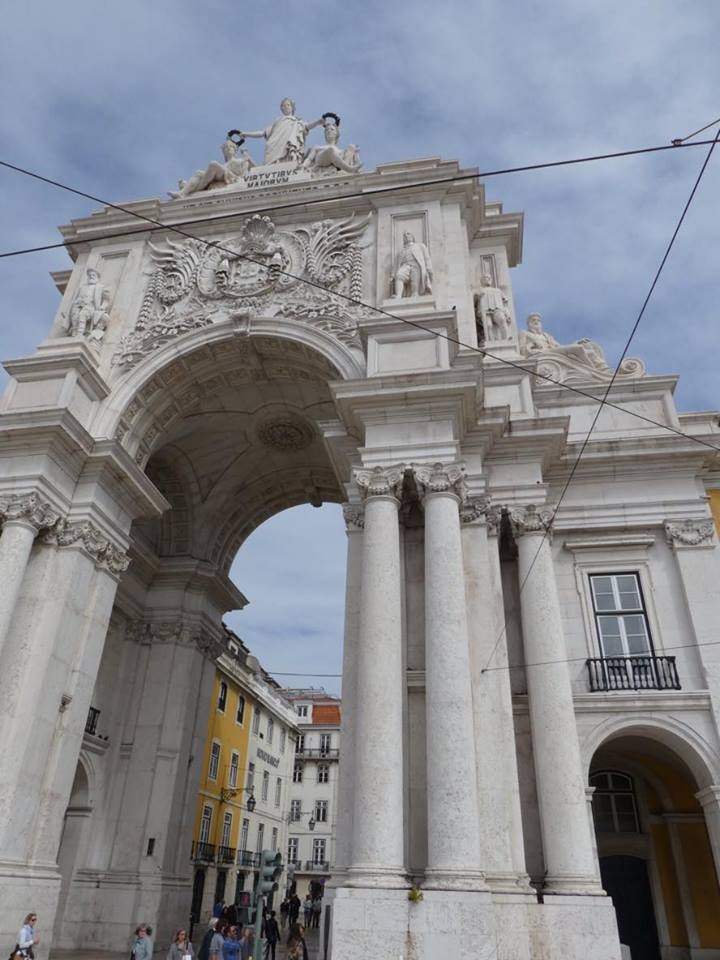
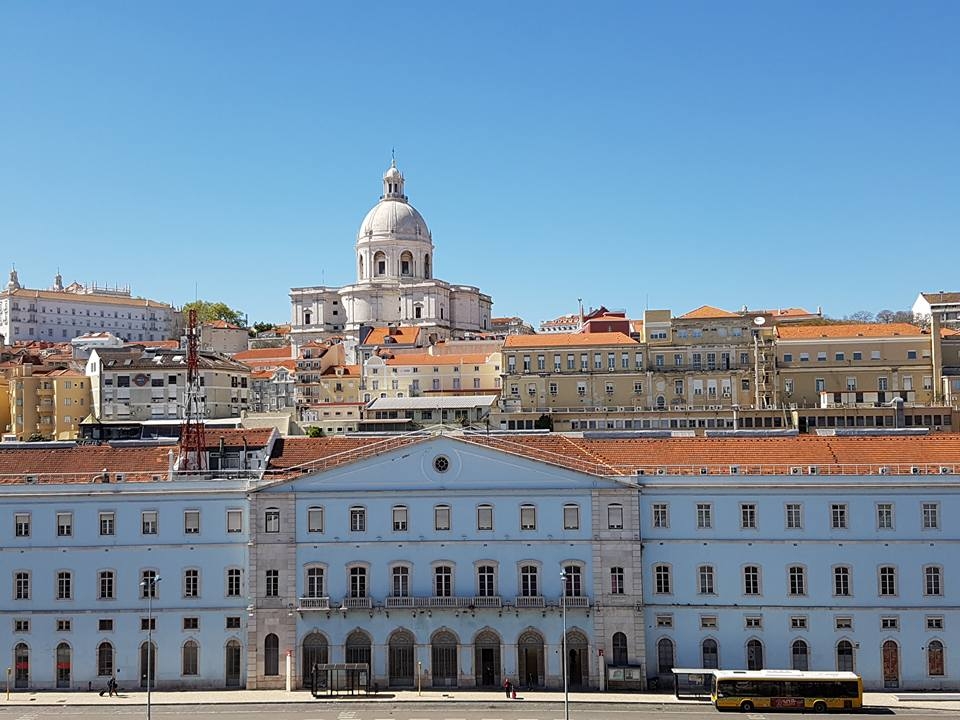
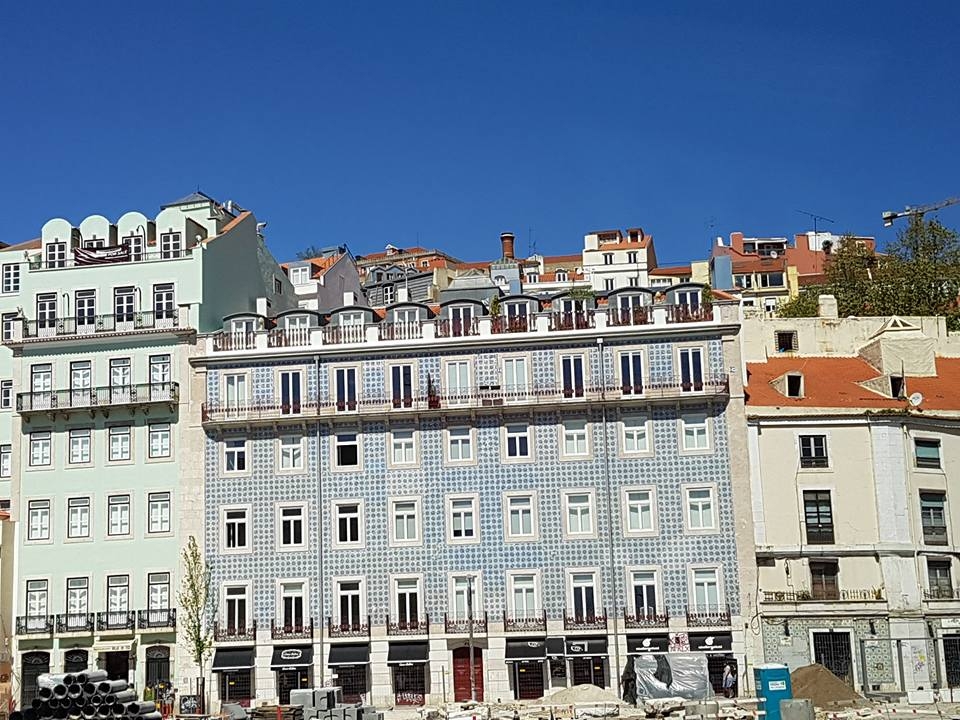
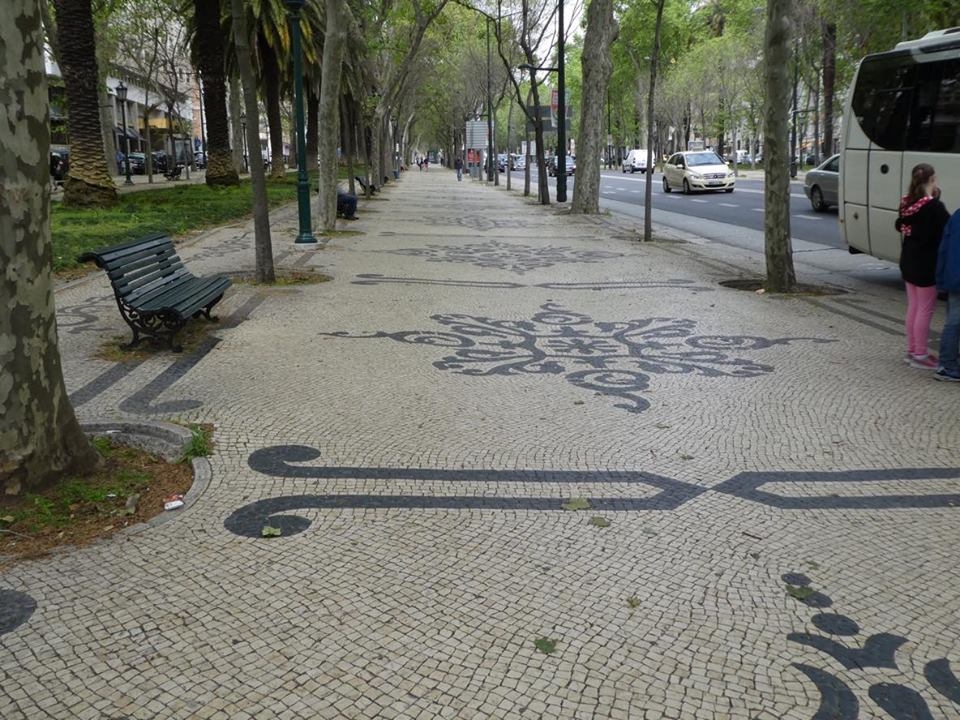
Lisbon is the capital and largest city of Portugal, having the most active port of the European Atlantic coast. Its Old Center is in decline demographic but they work hard to renovate the palaces and the museums because there are many unhealthy housing. Avenue De la Liberdade is considered one of the most expensive streets on a world scale. The city is known for its typical trams and funiculars.
Tips

You can buy a rechargeable card and ask for the Pass 24 to have unlimited access to public transport for 24 hours.

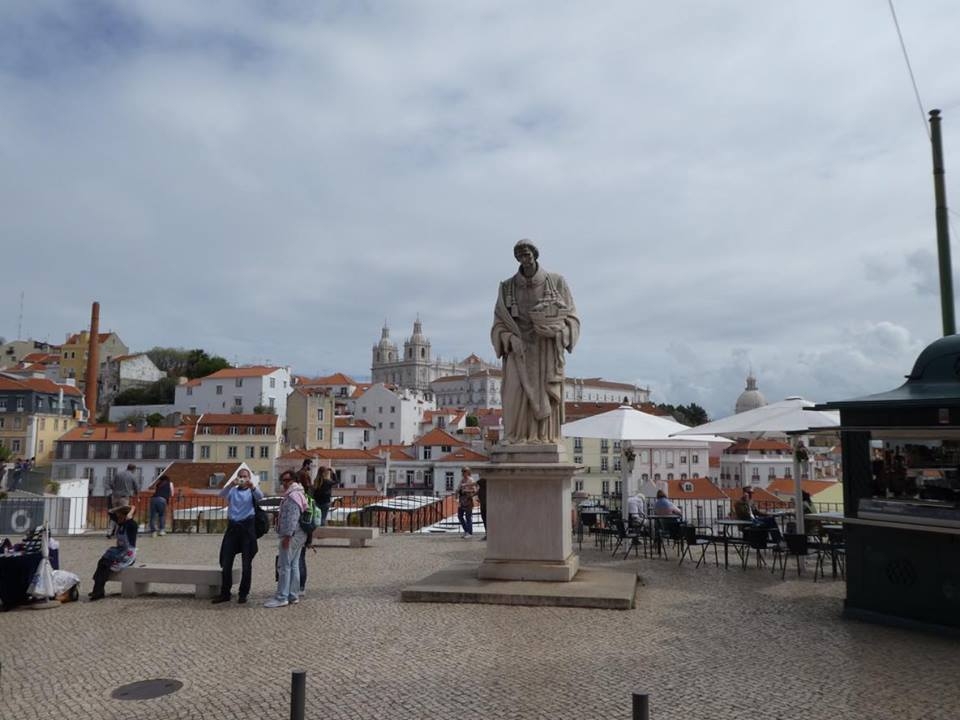
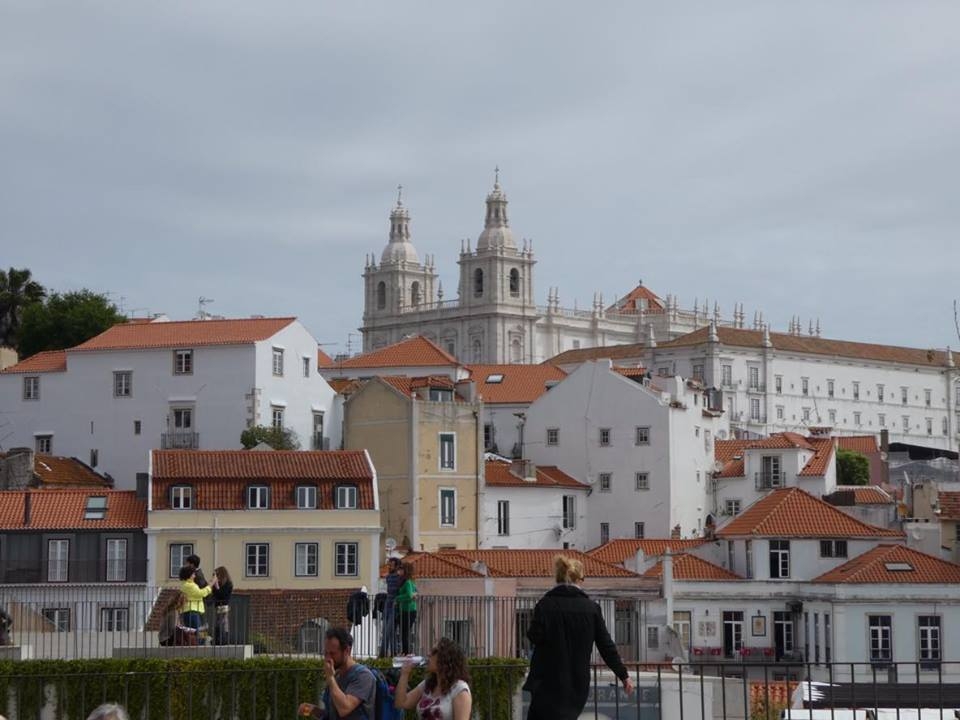
Do not forget to visit the Alfama district with its winding and steep alleys and its Moorish heritage: a jewel.

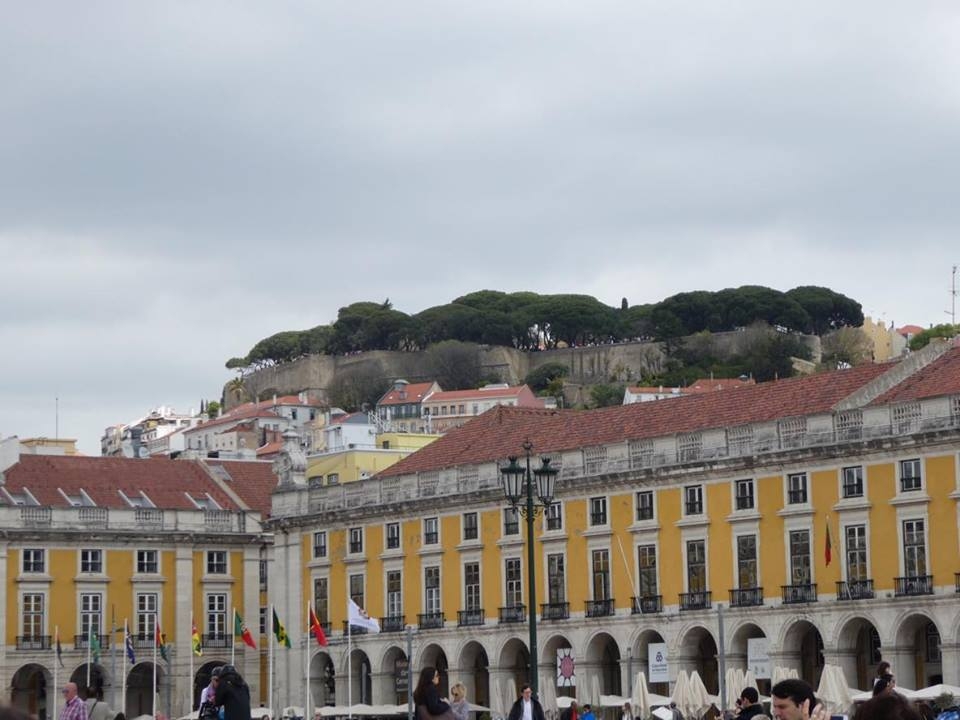
To have one of the most beautiful views of the city, visit the St-George Castle.

You can take the elevator from the castle which is free.

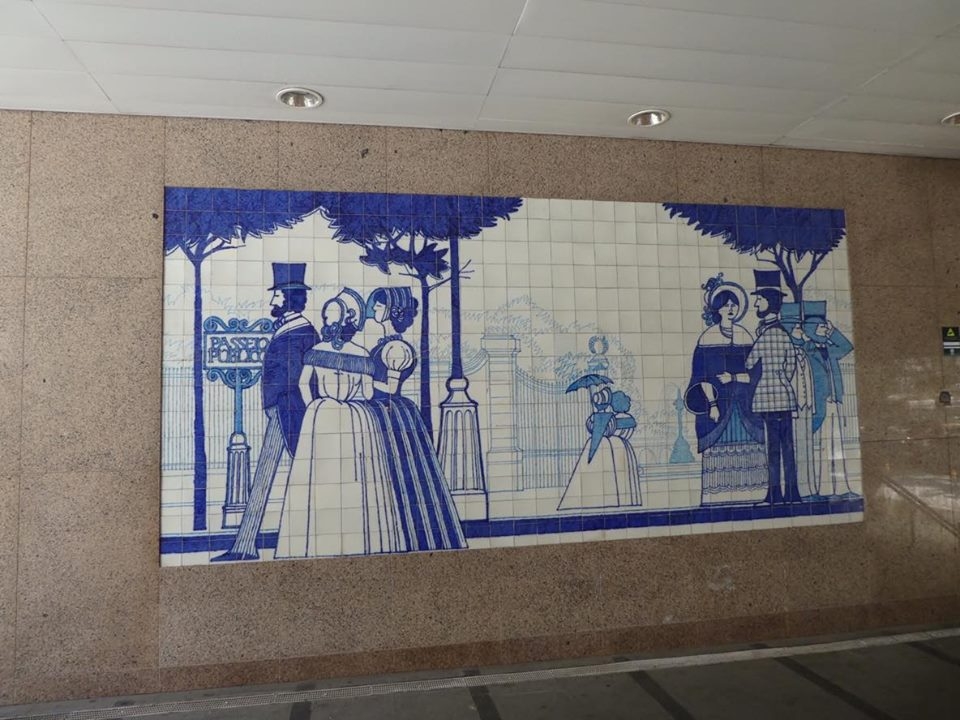
If you are there on a Tuesday or Saturday, visit the Feira da ladra, where you will find typical handicrafts, azulejos, clothes, etc.

Cathedral of St. James of Compostela, Spain

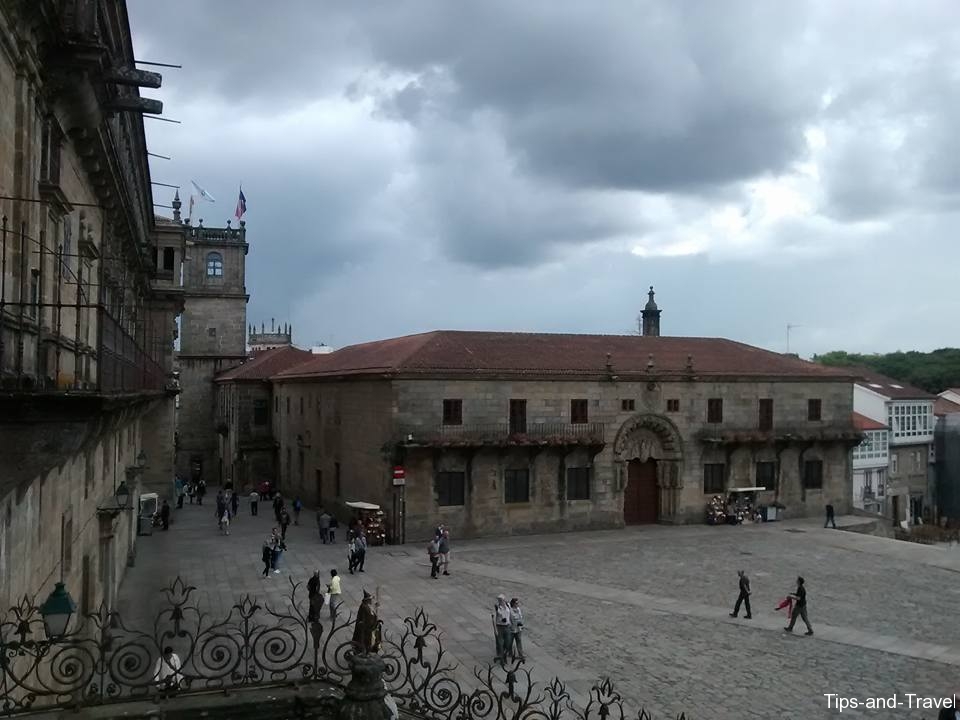
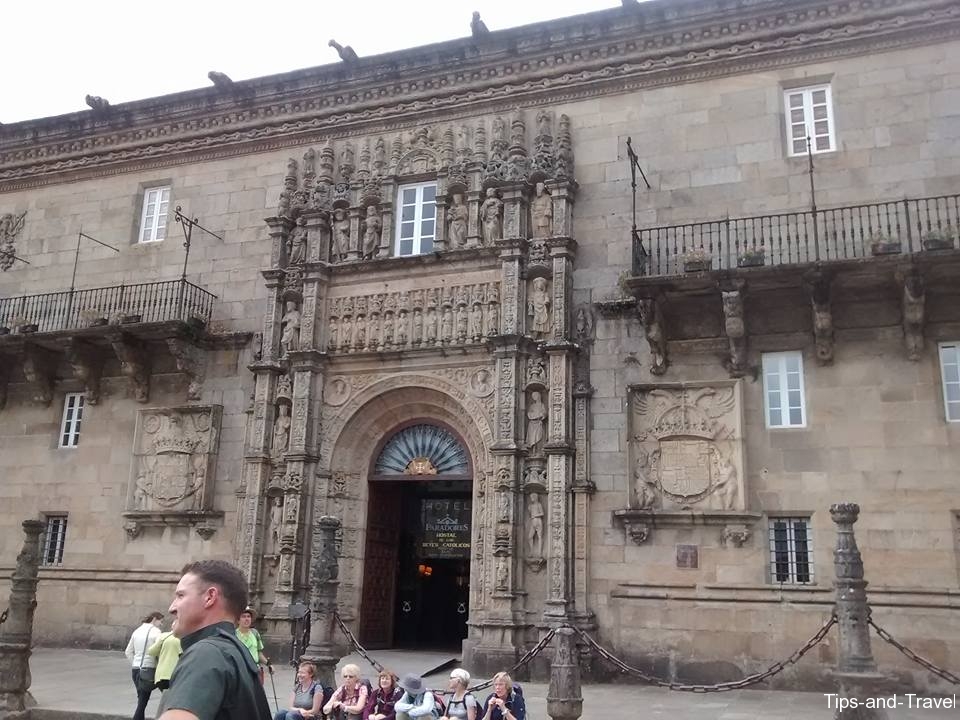
The cathedral of St. James of Compostela, dedicated to the Apostle James of Zebedee (saint patron and protector of Spain) is a cathedral located in the historical center of the city of St. James of Compostela, purpose of one of the great pilgrimages of medieval Europe; initiatory way in which people followed the wake of the Milky Way. At the beginning of the ninth century, Alfonso II had built the first church; in 899, Alfonso III replaced it for a greater pre-Romanesque church. The present cathedral is a Romanesque building built in granite, which work began in 1075 and was finished in 1211. It is dedicated to the relics and pilgrimages. The two towers of the western façade (Baroque churrigueresque) are from the Middle Ages and its monumental staircase of 1606. Its chapels form a museum of paintings, sculptures, reliquaries and altar pieces accumulated over the centuries. The cathedral has a plan of three naves, a large transept with aisles and stands and a sanctuary with ambulatory surrounded by a ring of chapels. The original plan had additions of the Renaissance and Baroque. A sumptuous statue of St. James is in the main altar; the crypt is below with the remains of St. James and his disciples, St. Theodore and St. Athanasius. The ambulatory, the beautiful gates, the vault of the Chapel of Mondragón, the Renaissance door of the sacristy and the cloister are the most outstanding items. Above the transept of the cathedral stands a lantern tower from whose summit is hung by steel cables a brass censer of 54 kilos which is used in special ceremonies as in Compostelan years. The treasure is housed in a Gothic chapel in the south transept of the cathedral; it has a tympanum representing the equestrian figure of the Apostle (XIII century). The King of France, Charles V had made a very important gift for it to be celebrated daily a mass for the prosperity of France, so the San Salvador chapel is also known as the Chapel of the King of France; this is where the pilgrims after confessed, received the Compostela; certificate of pilgrimage.

 
Tips

Pilgrims can go to kiss the holy mantle by a staircase behind the altar.
You can also visit the library which displays the censers and tapestries (it’s part of the cathedral museum), even as the pieces found in the excavations .
The archives of the cathedral has a copy of the Codex Calixtinus (set of texts dated around 1140); in the texts you can find practical advice for pilgrims.