Park Güell, Barcelona, Spain

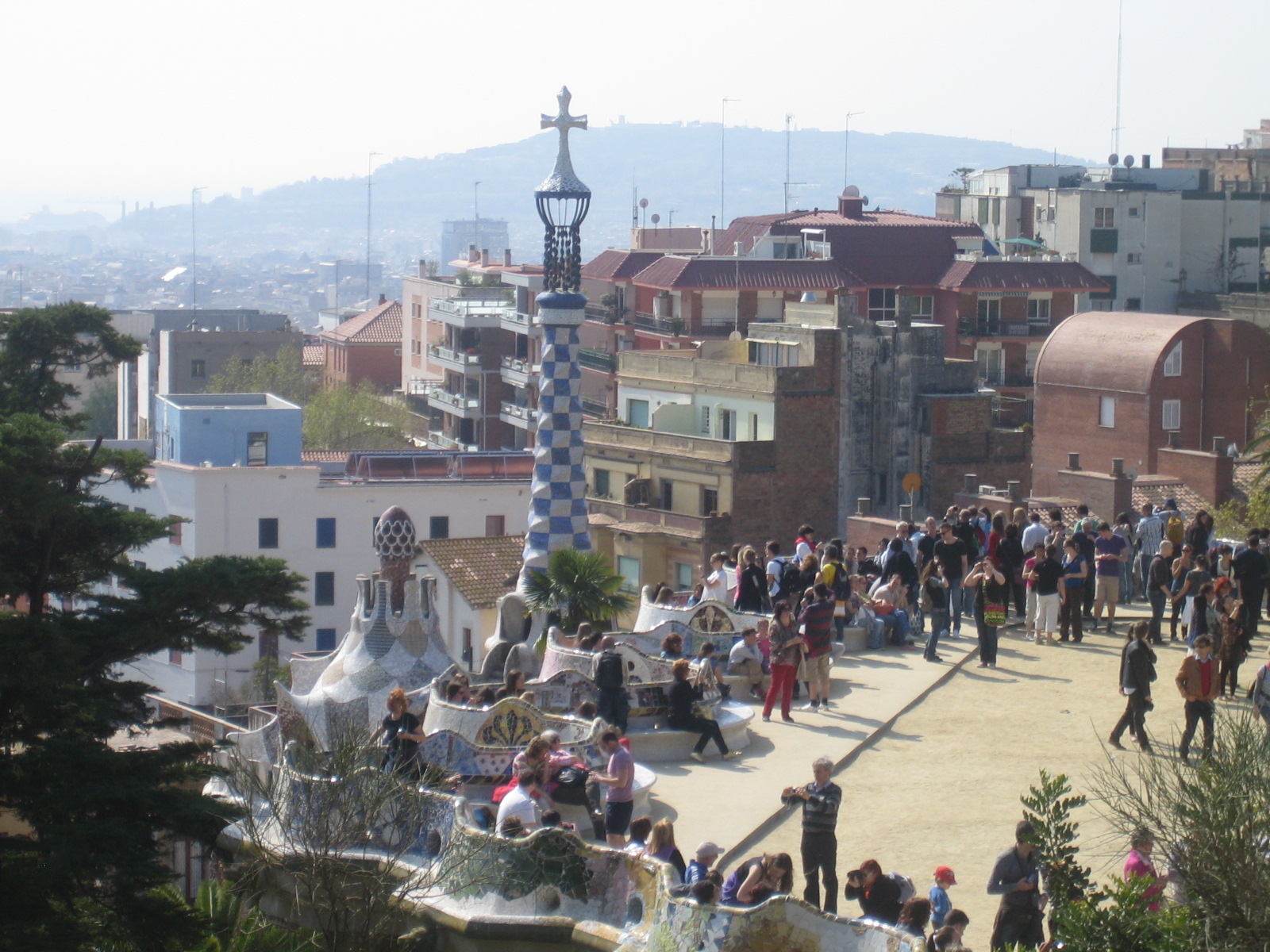
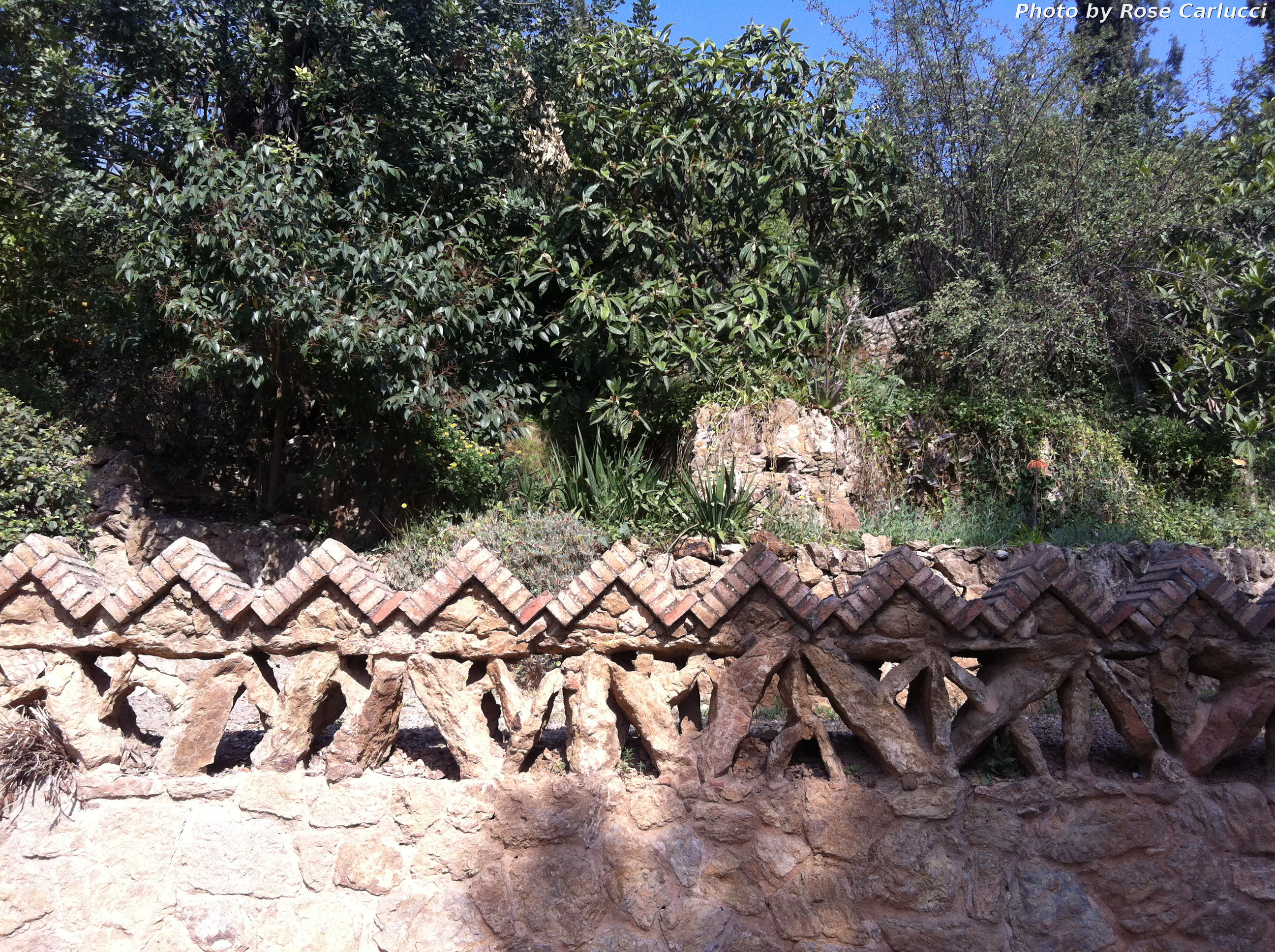
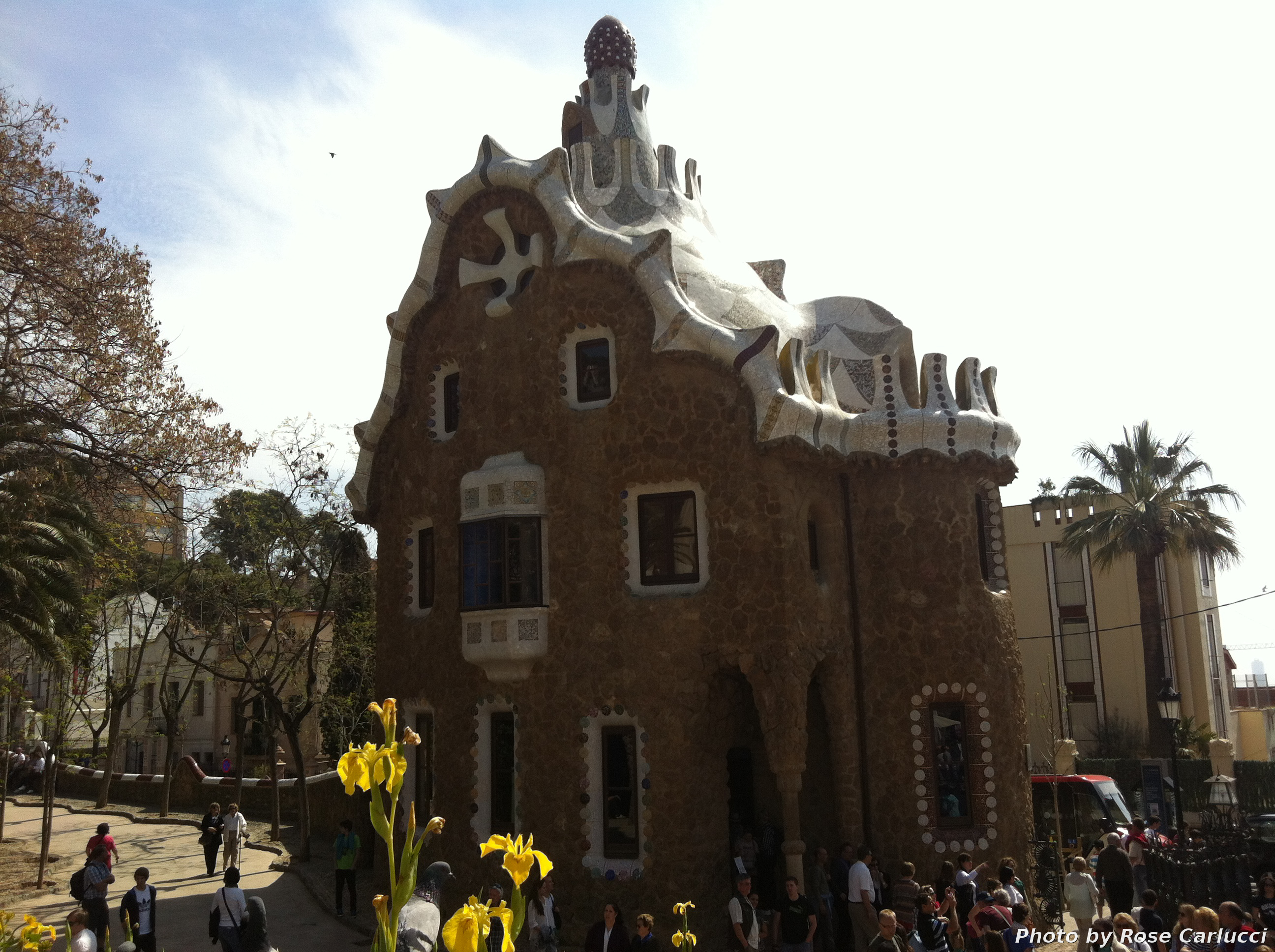
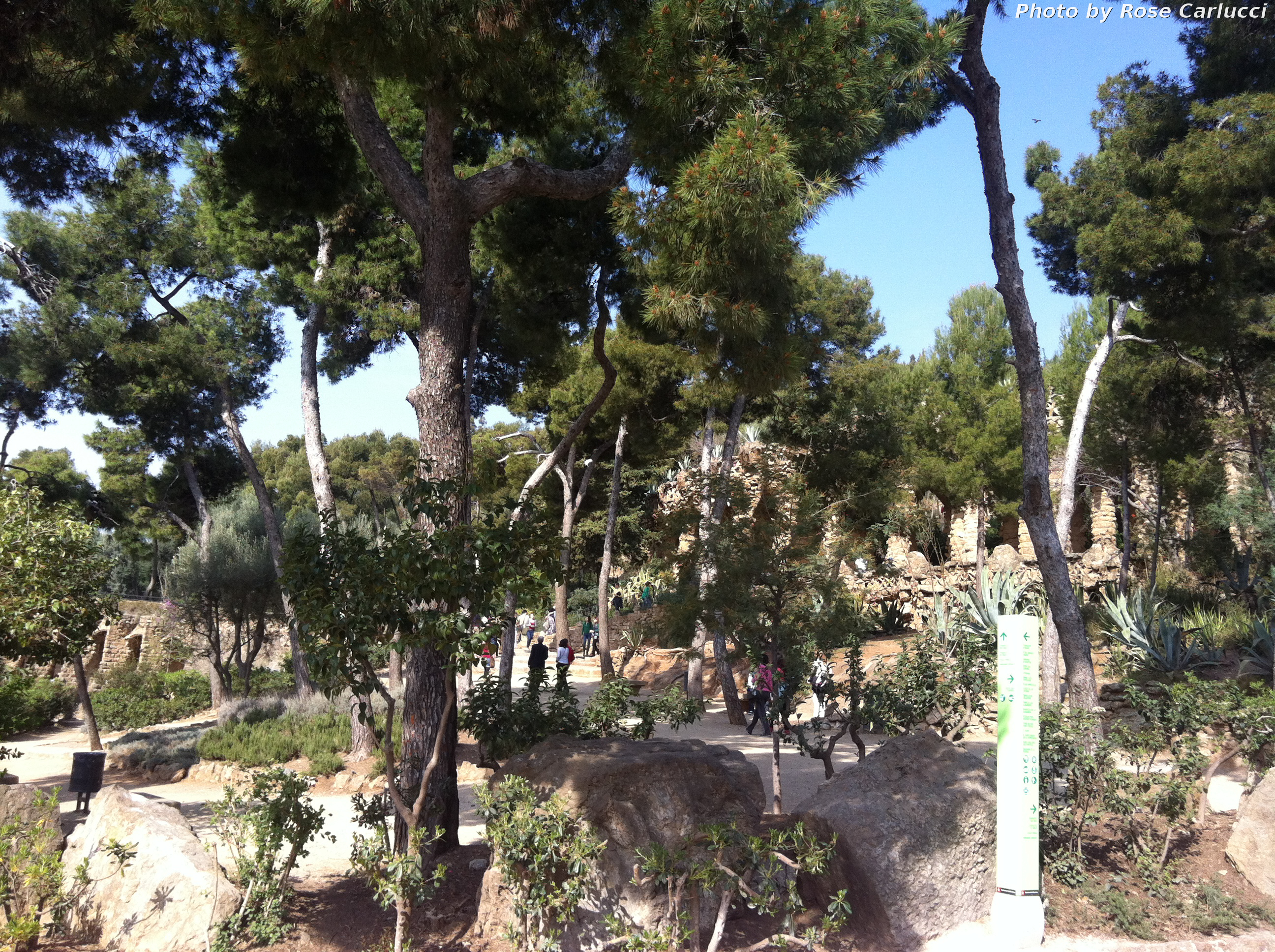
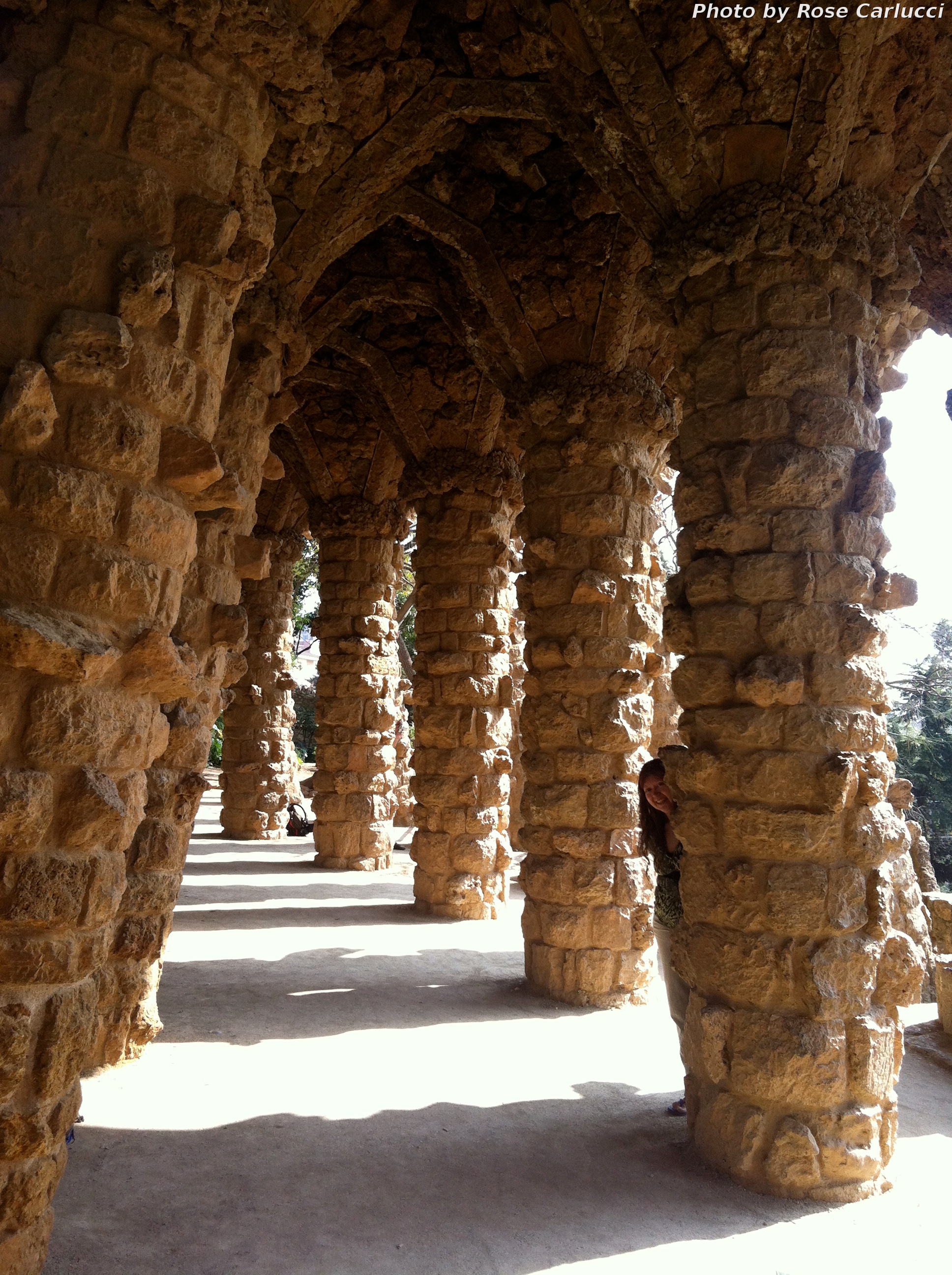
Park Güell is one of the achievements of the catalan architect Antoni Gaudí in Barcelona which is on the UNESCO World Heritage list. It was built between 1900 and 1914. Originally, it was to be a garden city that Eusebi Güell asked him to build on a hill in the South of the city (El Carmel). This should contain a chapel and 60 houses. But the cost of construction increased in big proportions that only were completed three houses and Güell Park. In 1923, the Park became property of the city of Barcelona. With his imagination, Gaudí made an original work with curves that fit with the nature like the columns in the aisles, for example, simulating tree trunks and the two houses at the entrance, in the form of fungus. There are 3 remarkable fountains and the best-known has a salamander. There are large stairs that lead to the Hypostyle Hall to the hundred Doric columns where there are actually just 84. The room had to serve as a market. The columns have 6 m high and 1.20 m diameter and the vault is built so that rain water is recovered in tanks located under the market to allow watering free and ecological gardens, as well as the power of fountains. The vault is decorated with four ceramic suns of 3 m in diameter. The central square, with the longest corrugated bench of the world (110 m); measures 86 m long by 43 m wide. The trencadís, a mosaic technique using broken and mismatched pieces of earthenware or colored glass, is used extensively on buildings, fountains, the main bench and other buildings in the park. The House-Museum of Gaudí in the Güell Park was built by one of his collaborators, Francesc Berenguer. This museum includes an important collection of works by Gaudí and of some of its employees. The Museum is spread over three floors including two dedicated to Gaudí. On the ground floor there’s an exhibition of furniture designed by Gaudí for Batlló and Calvet houses and on the first floor, the office and the house of the artist where he lived his last years.

Tips

The best way to get there is with the bus as the nearest metro station is a bit far from there and you need to walk 10-15 minutes and you’ll have an escalator on the highest part of the climb.
The park is open every day but the access to the area from the main entrance to the esplanade (part of monuments by Gaudí) isn’t free since October 2013. It is nevertheless possible to see the monuments from the tops of the park and the main entrance. You can buy the ticket at the entrancet or by Internet.
If you want to have beautiful panoramic photos of Barcelona, the park will give you this possibility.

Berlin, Germany

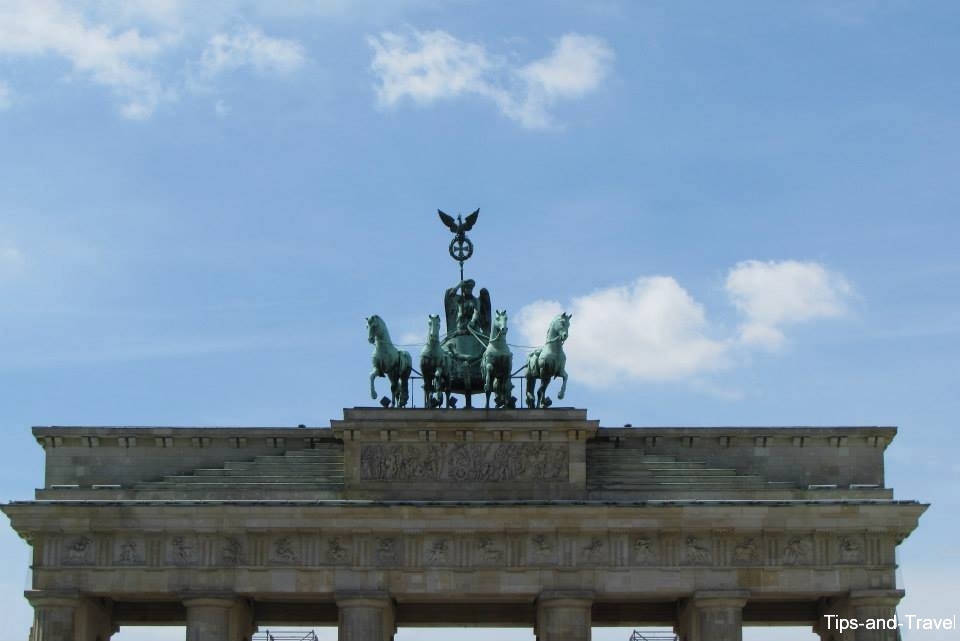
Berlin is the capital and largest city of Germany. After the fall of the wall in 1990, the main federal institutions settled there. A very important cultural and artistic city with 166 museums and 60 theaters. The Bradenburg Gate is the emblem of the city and represents the unification of two Germans. To see: the Historic Cathedral of Berlin (Berliner Dom); the garden on the Museum Island (Lustgarten); the Pergamon Museum (where the Babylon Gate is); the New Museum (with the famous bust of Nefertiti); the Unter den Linden (old splendid avenue with several historic buildings); the St. Hedwige Cathedral, the 368m television tower (Fernsehturm); the City Hall; the Police Officers Square; Bellevue Catle; among others.

Tips

The city is divided into 3 zones and the price of the public transport tickets changes according to the zones. There are 2 cards also valid for traveling 48 or 72 hours or 5 days but be careful, if you are going to spend just a long weekend, compare prices because buying 3 or 4 day tickets will cost you less than the card. There is also the Call a bike service which allows you to rent a bike to travel around the city but you must have a cell phone to use it. Do not miss to admire the more than 1300 meters of the old Berlin Wall, called the East Side Gallery. More than a hundred artists from more than 20 countries have left their works on it.

Rostock, Germany

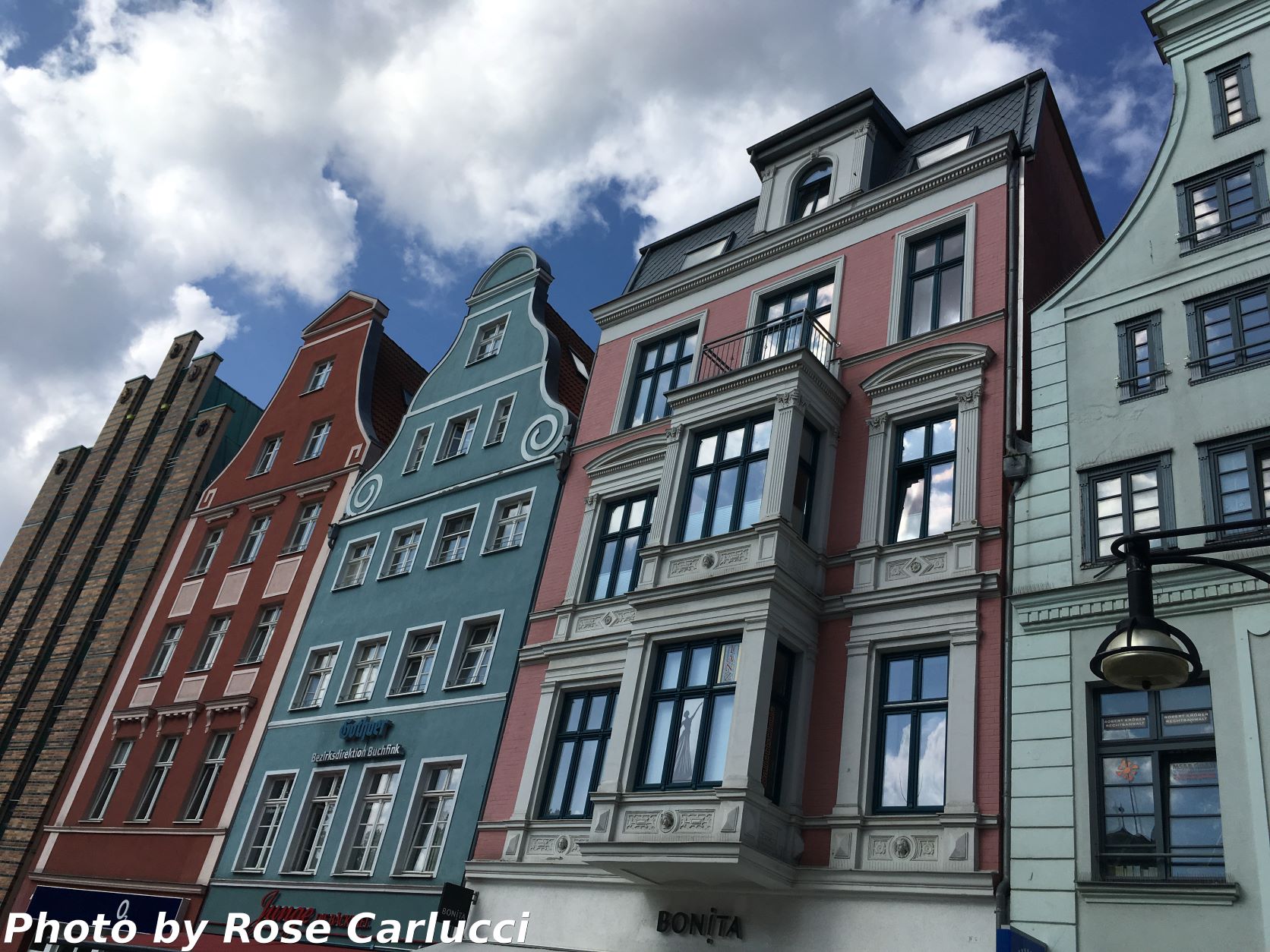
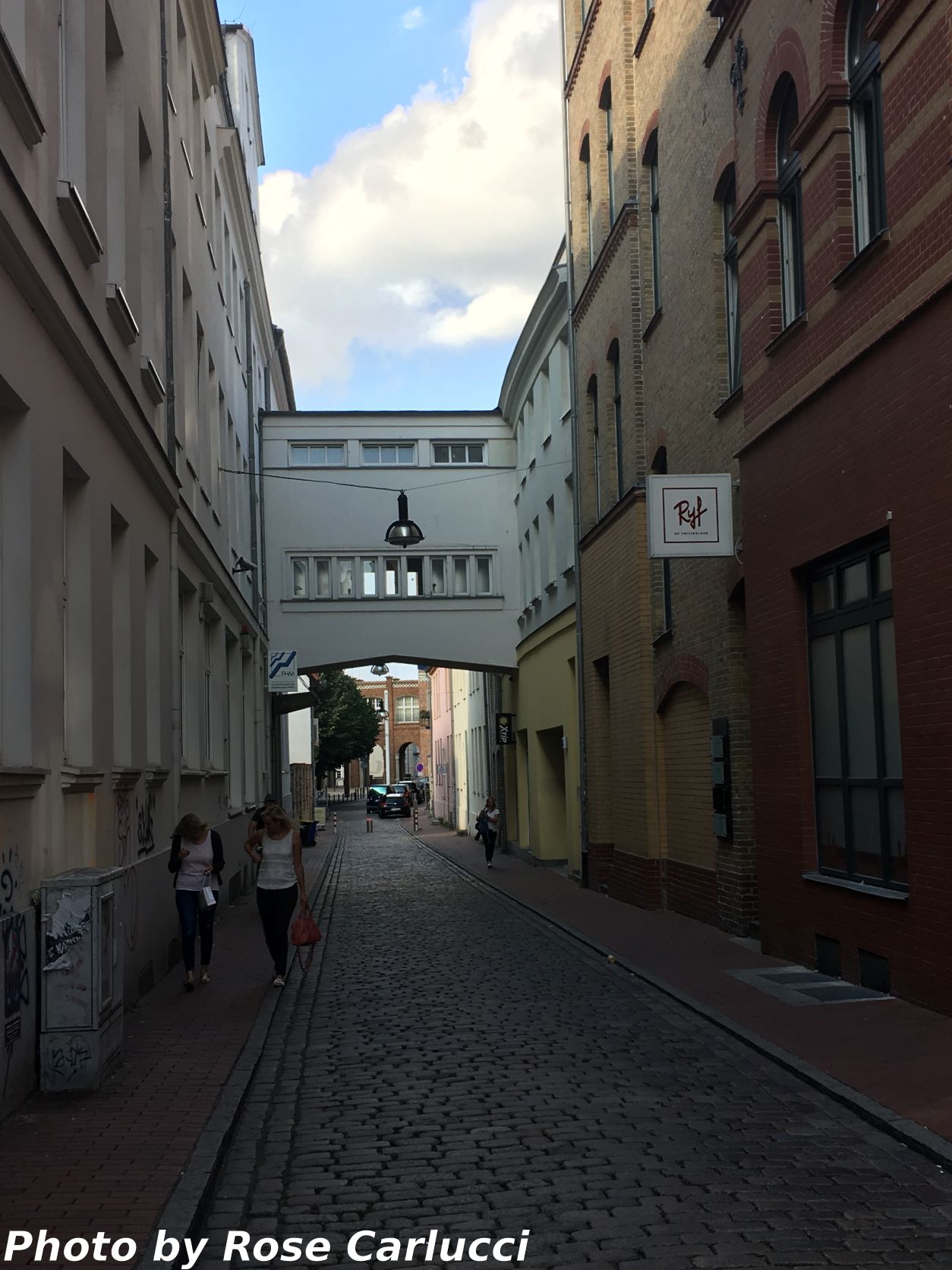
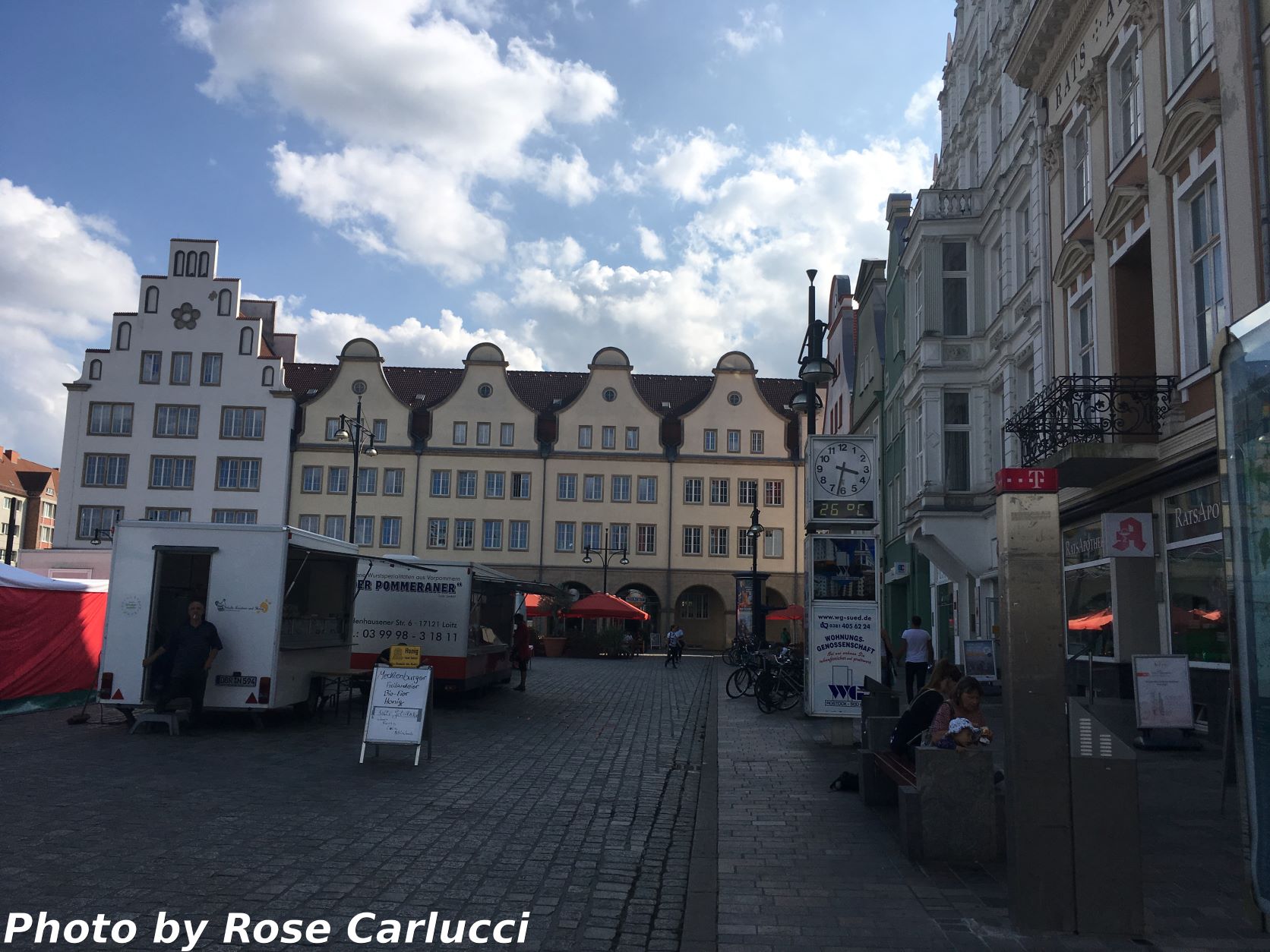
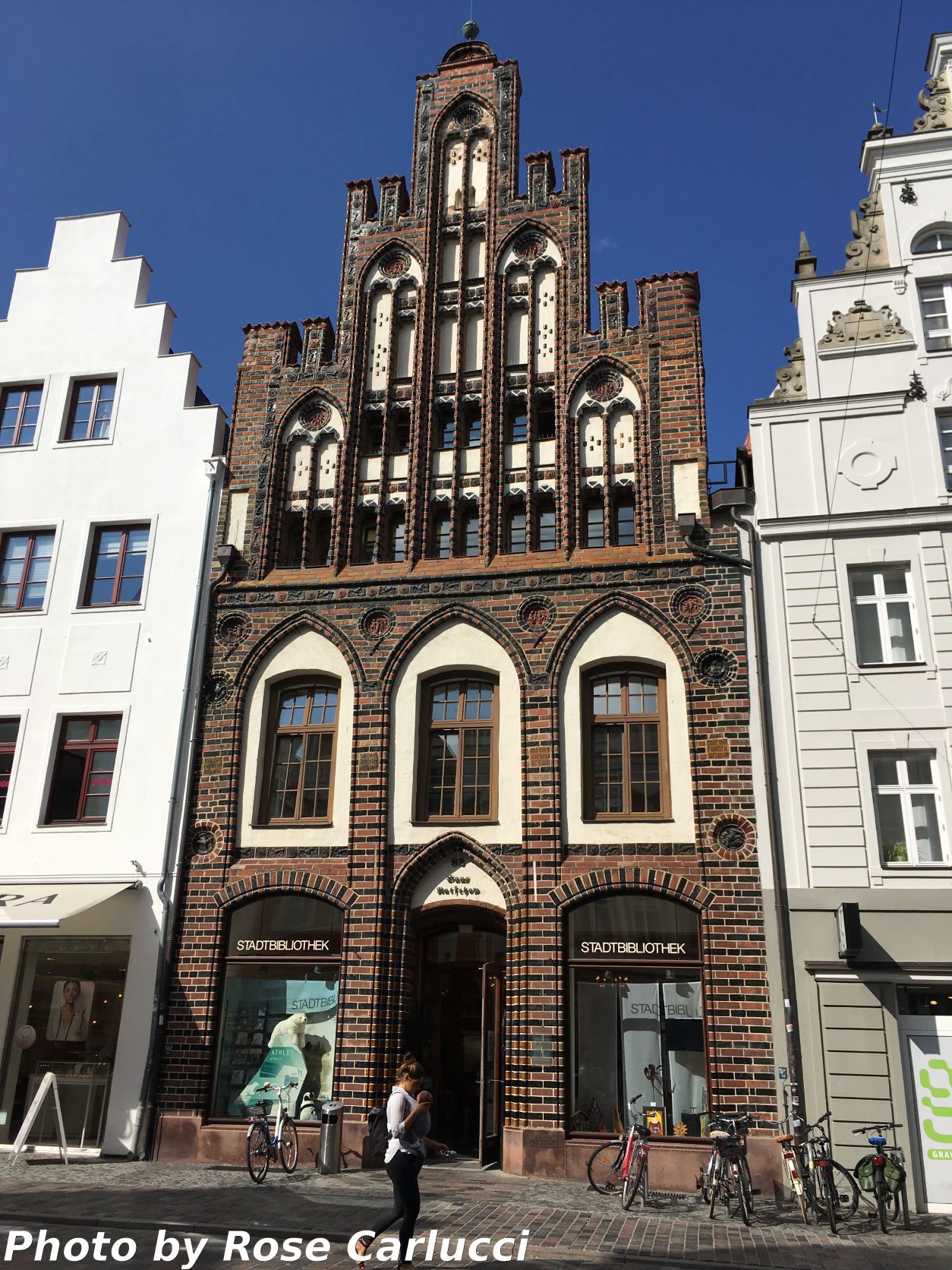
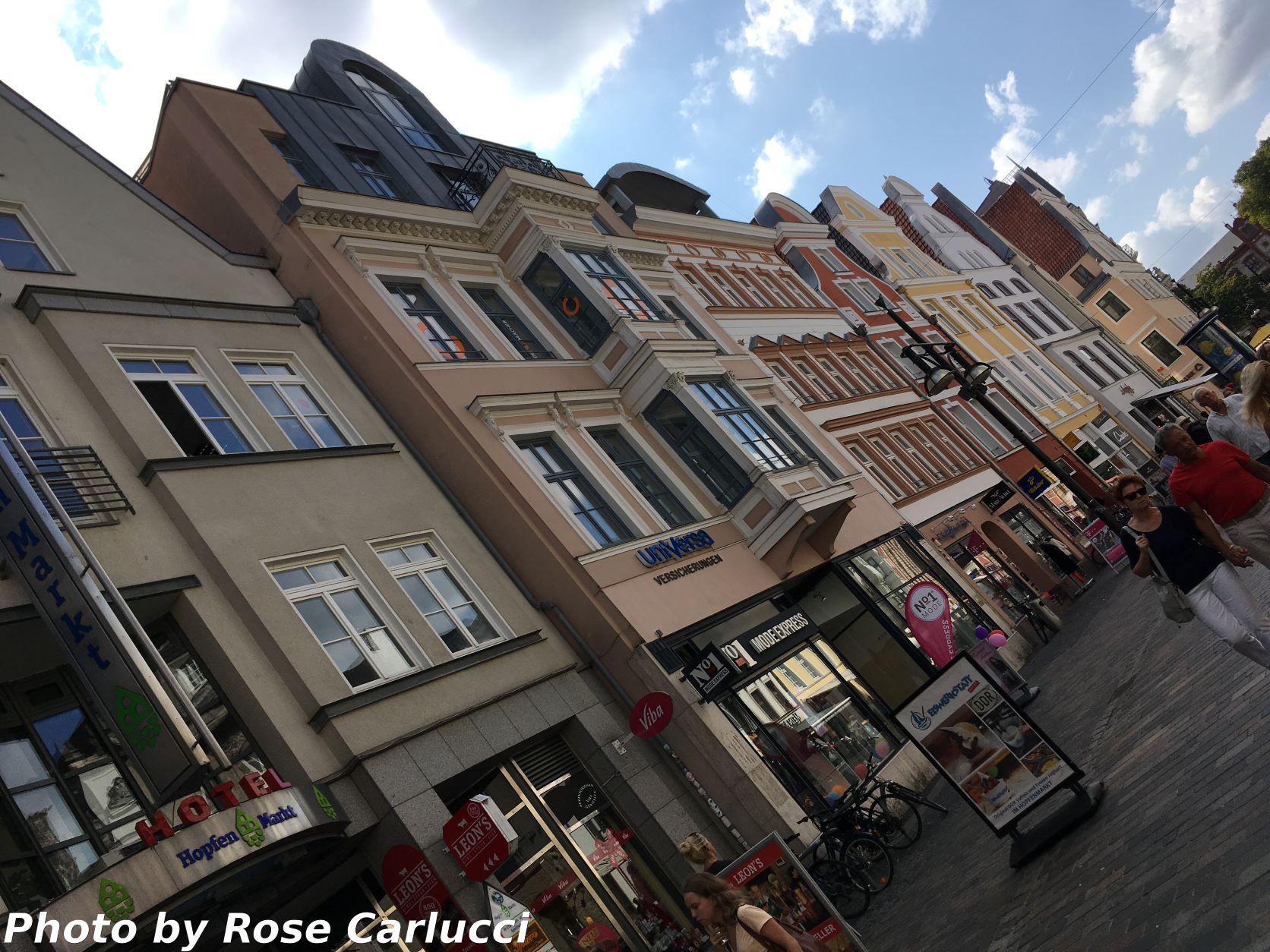
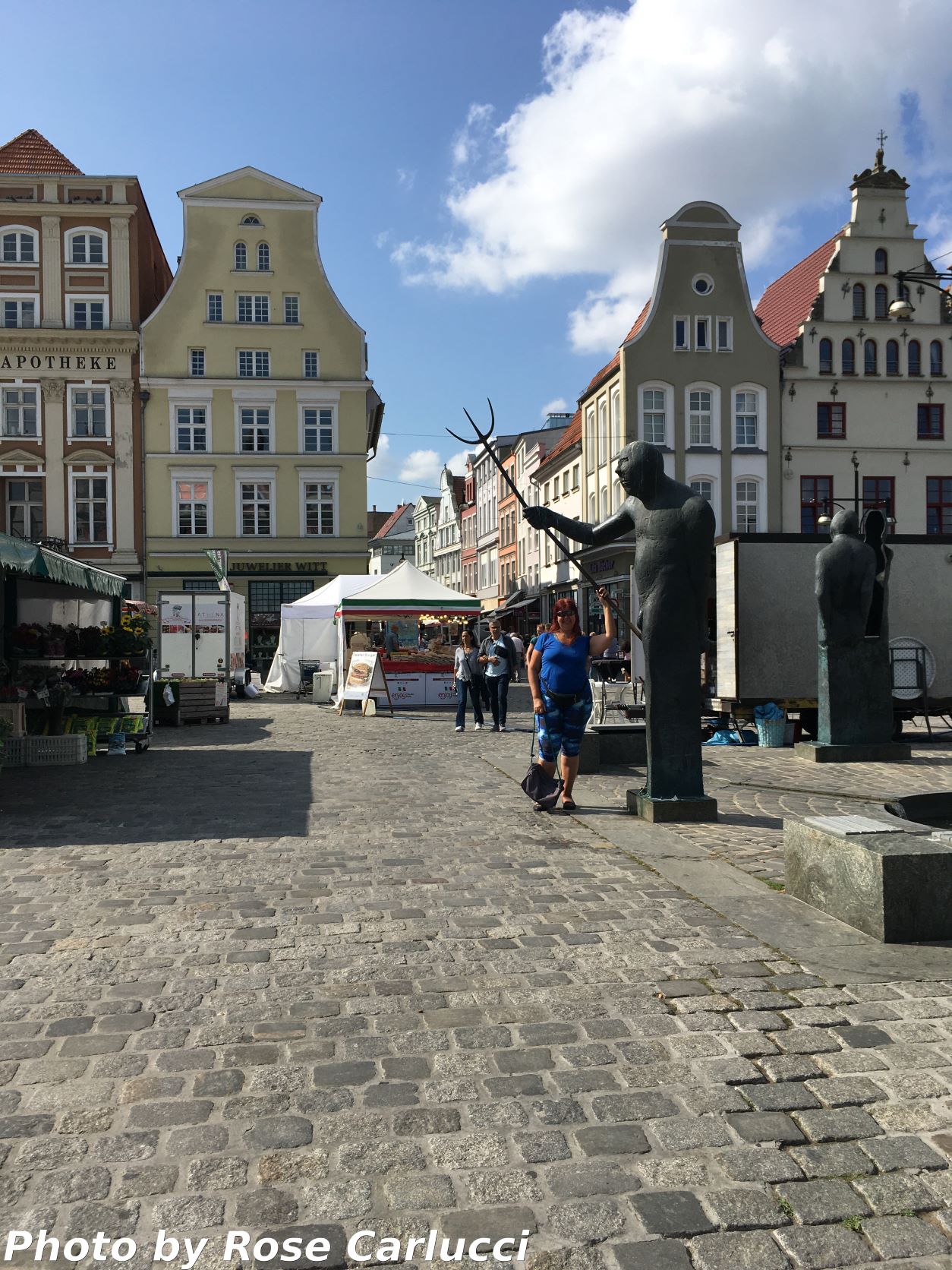
Rostock is a city in northern Germany, at the mouth of the Warnow River. Warnemünde, located 16 km north of the historic city center, is the coastal part of Rostock. One of the most typical places is the Newer Markt ( New Market Square) where you will find the Town Hall which dates from the 13th century, Gothic style and built in brick. In the 18th century it had the addition of a baroque-style facade and a banquet hall. The square is beautiful and you could also admire six gabled houses from the 15th and 16th centuries, completely restored. You can visit the Church of St. Mary, in brick Gothic style which was modified in the 14th century to give it the current cross shape. Inside the tower there is an astronomical clock dating from 1472. From New Market Square, there is a beautiful pedestrian street which will take you to an ancient 14th century gate. You could see the main building of the University of Rostock (the oldest in Northern Europe) and the Zeste of life fountain as well as a few sections of the medieval wall.

Tips

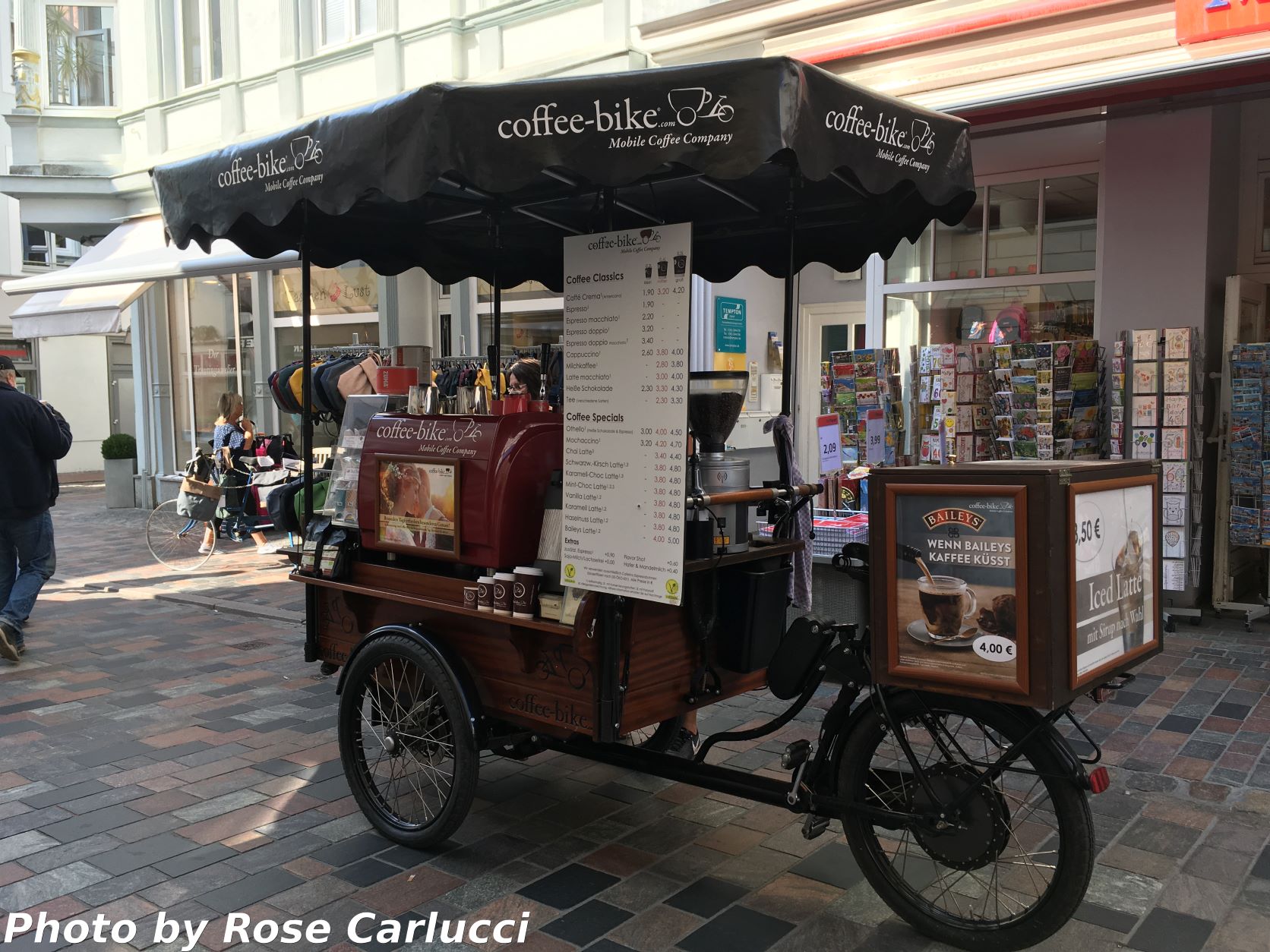
If you like to try the famous ‘frankfurter Würstchen’ (German smoked sausages), you can do so on the pedestrian street either in the bars or directly at a sales point in the street.

If you visit the city during the 2nd weekend of August, you could attend the Hanse Sail festival where over 200 sailing ships are gathered.

Do not leave without visiting Warnemünde where you will find its lovely beach, very pretty old houses on the seafront, the old fishing port and its lighthouse. You can get there by train.

If you are on a cruise ship in Warnemünde, to visit Rostock, go to the tourist house where you can buy your train tickets for a round trip.

From Rostock Central Station, you can also visit Hamburg or Berlin with fast connections.

If you like jazz, the Ostsee Jazz festival takes place in June.