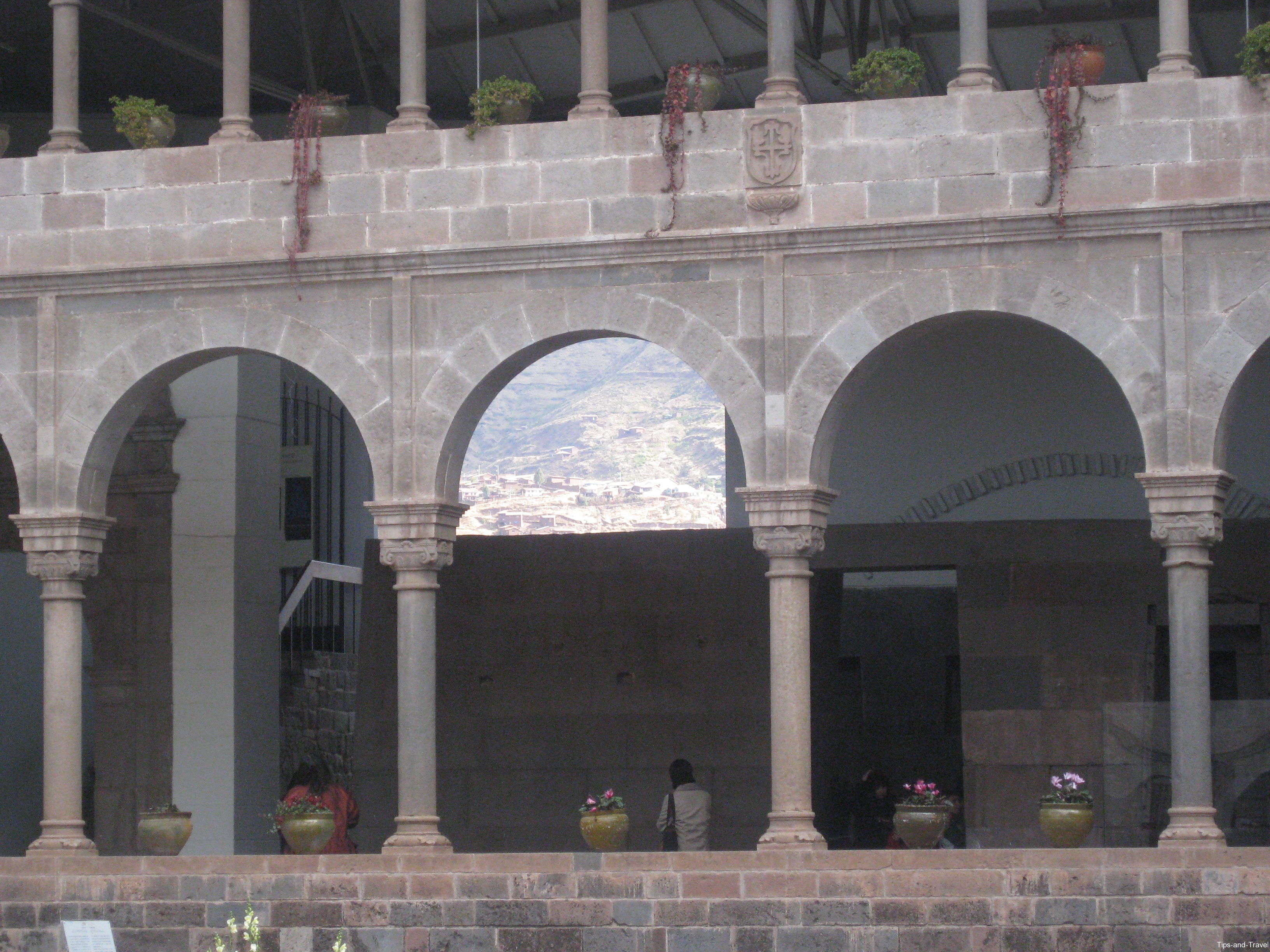
Temple of the Sun, Cuzco, Peru

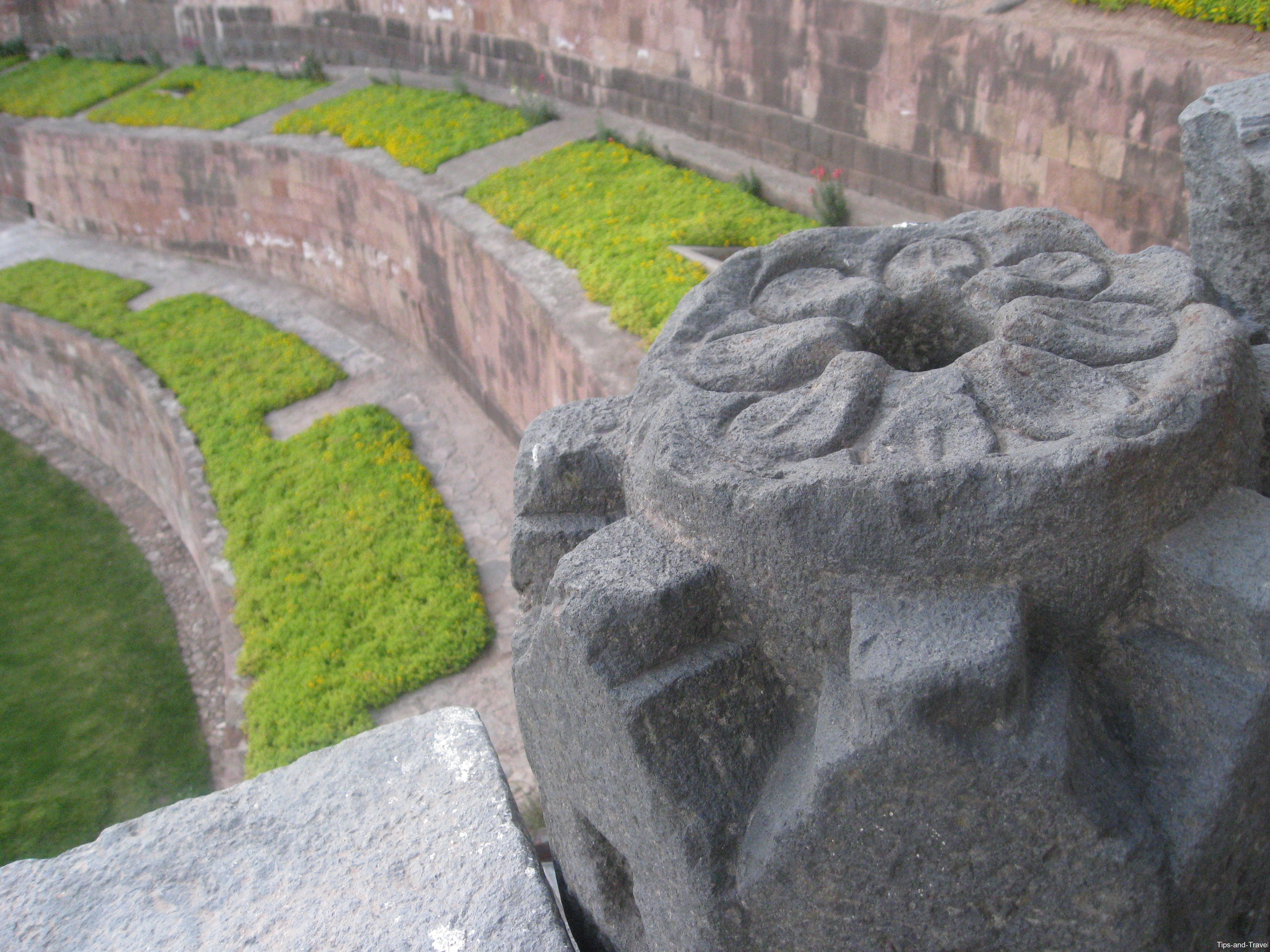
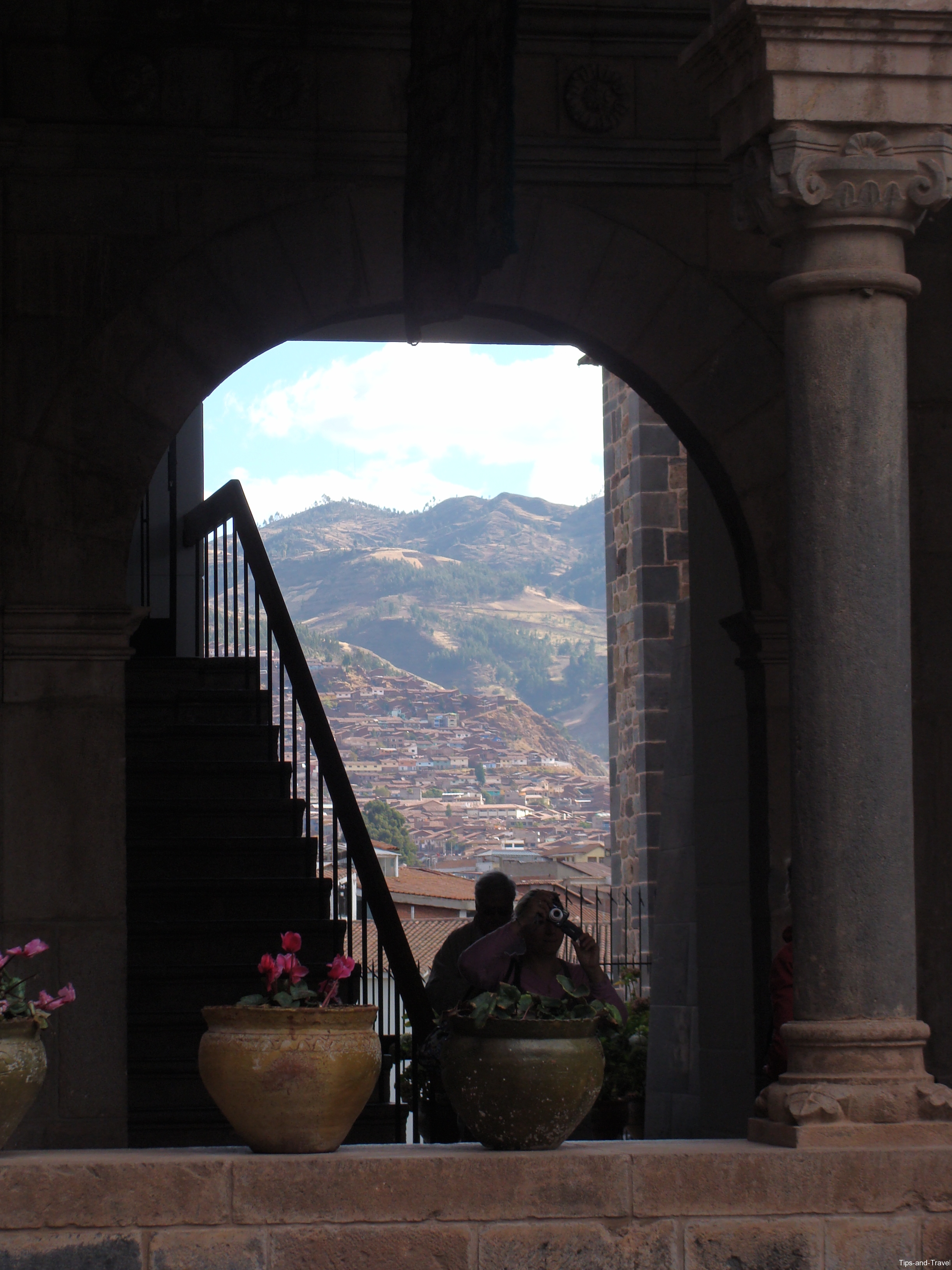
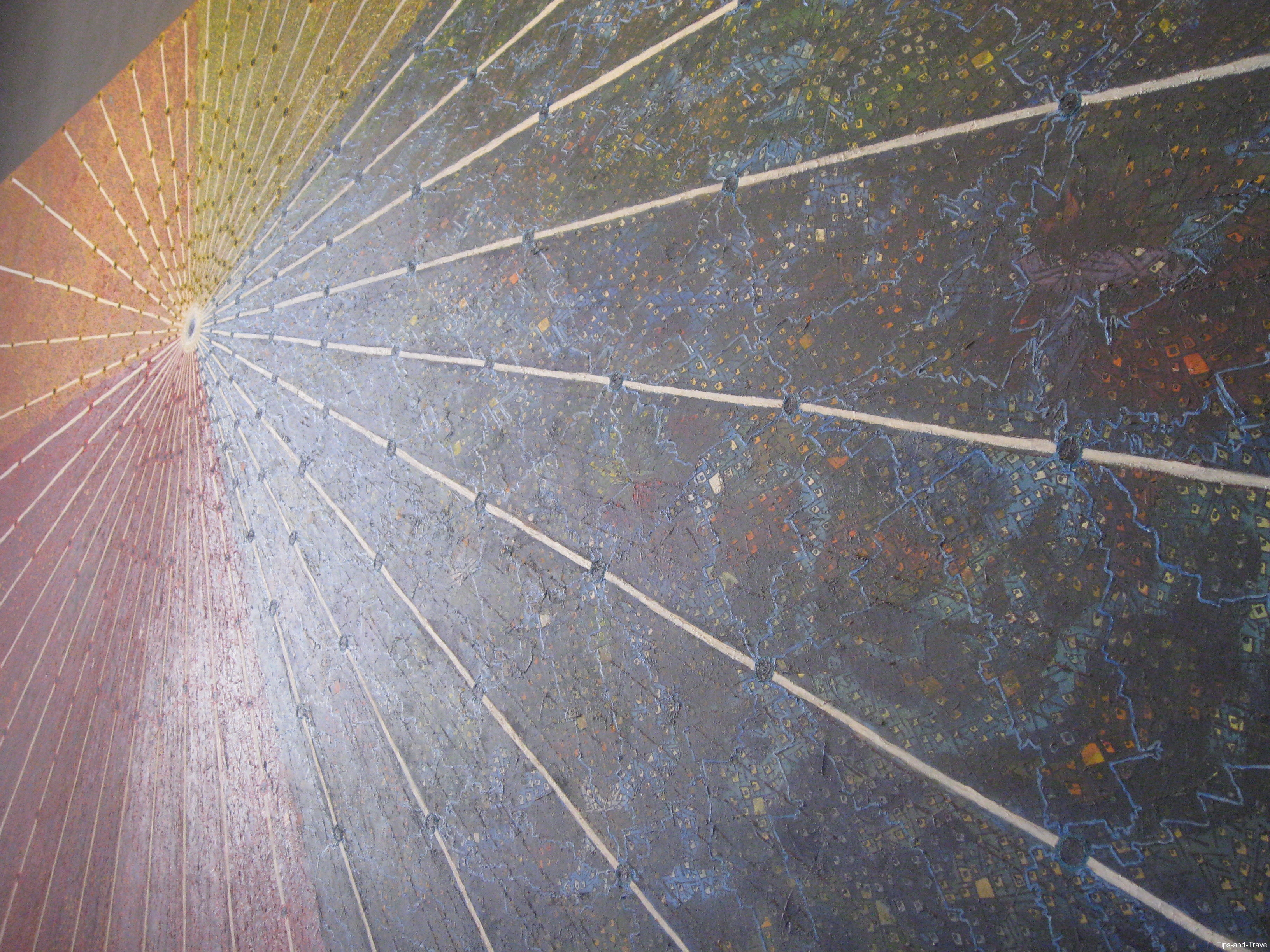
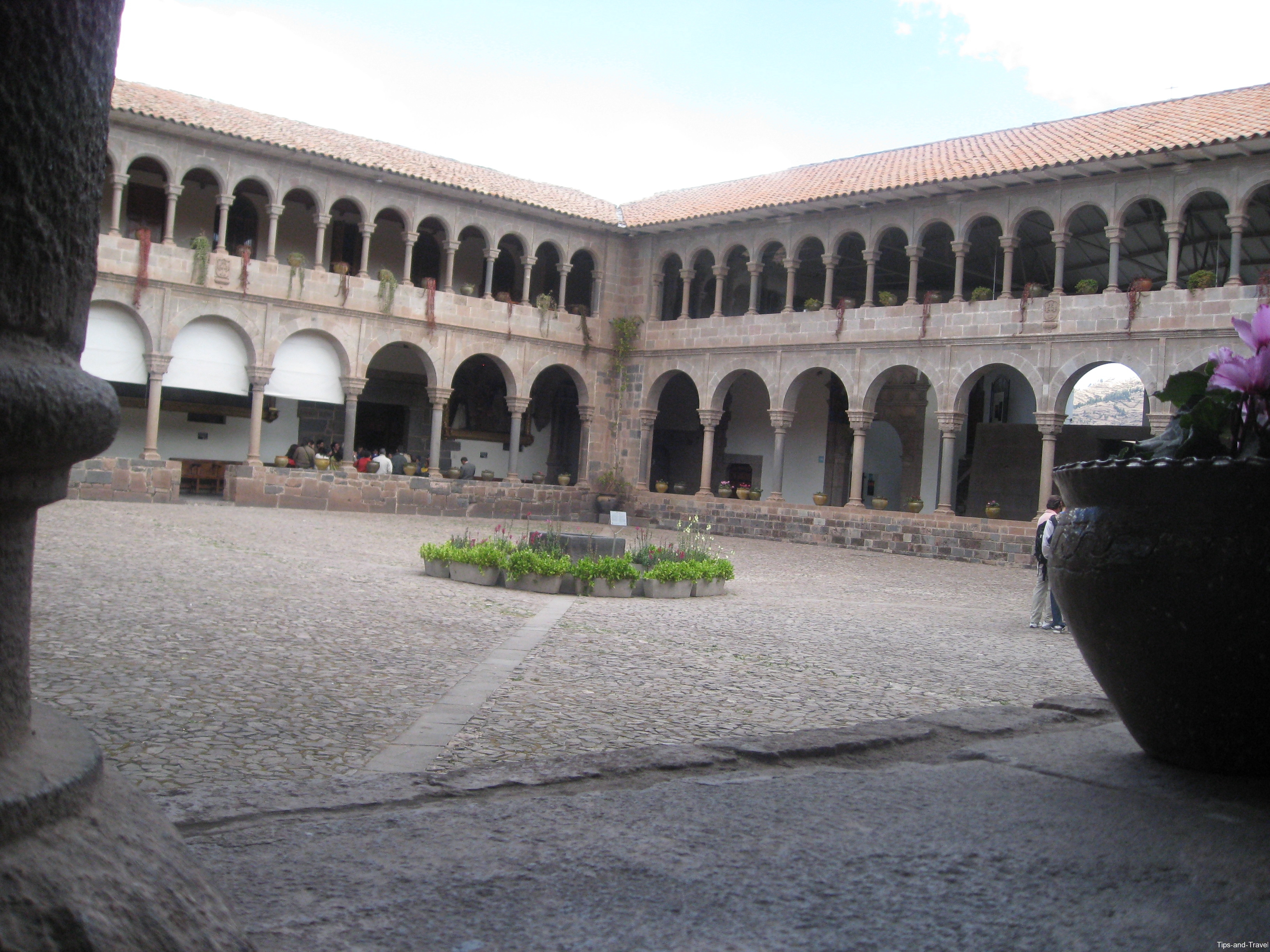
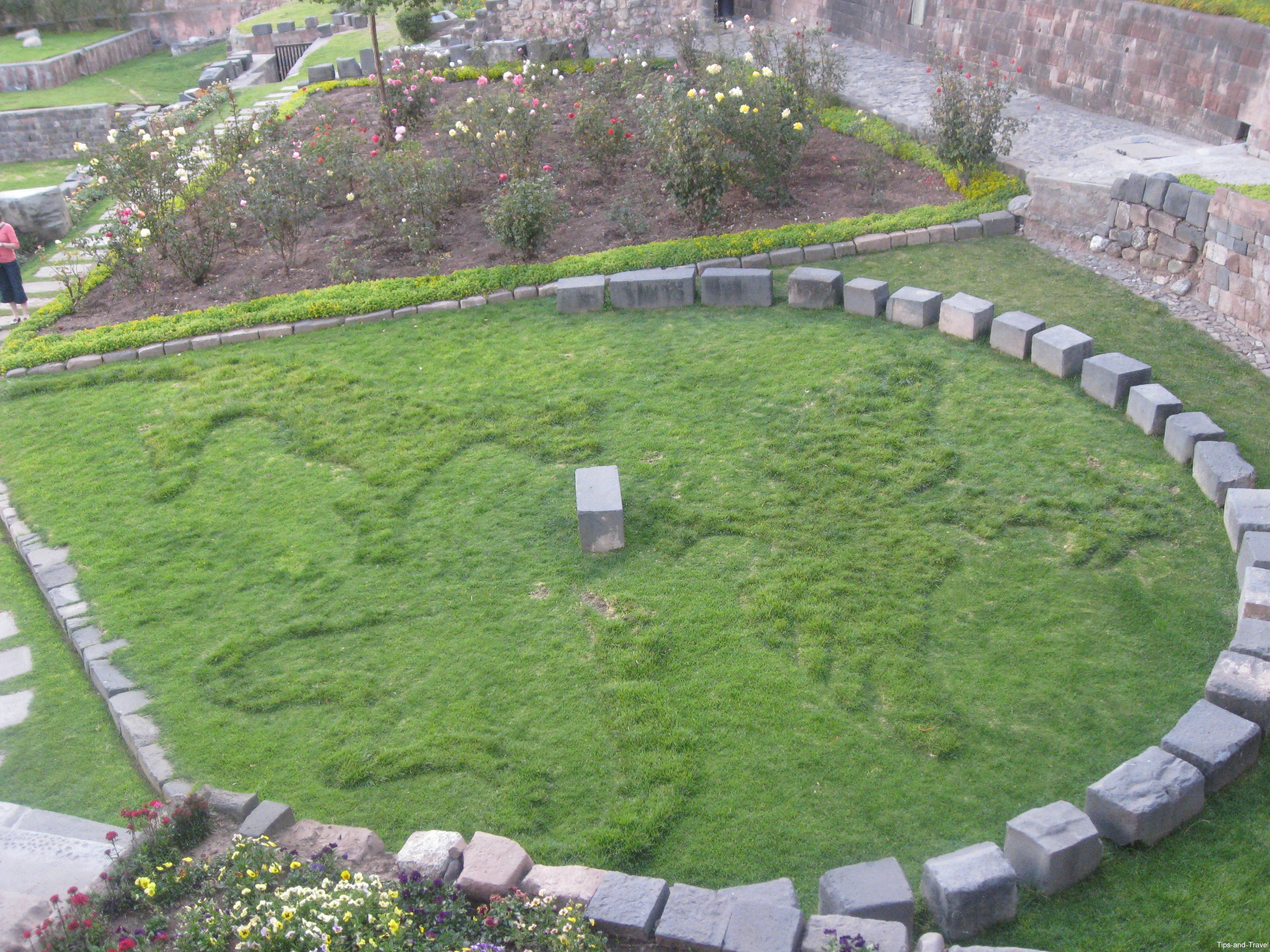
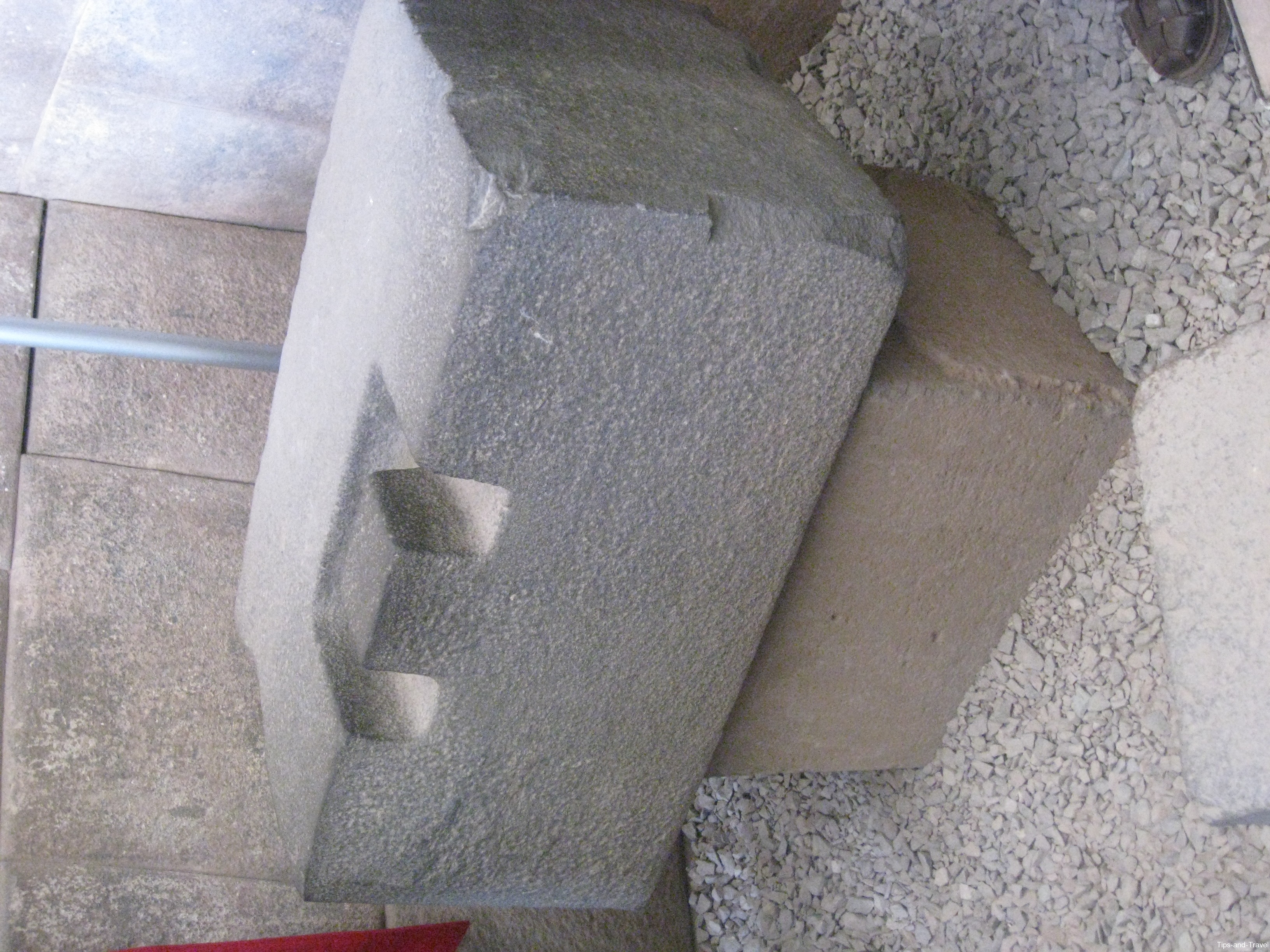
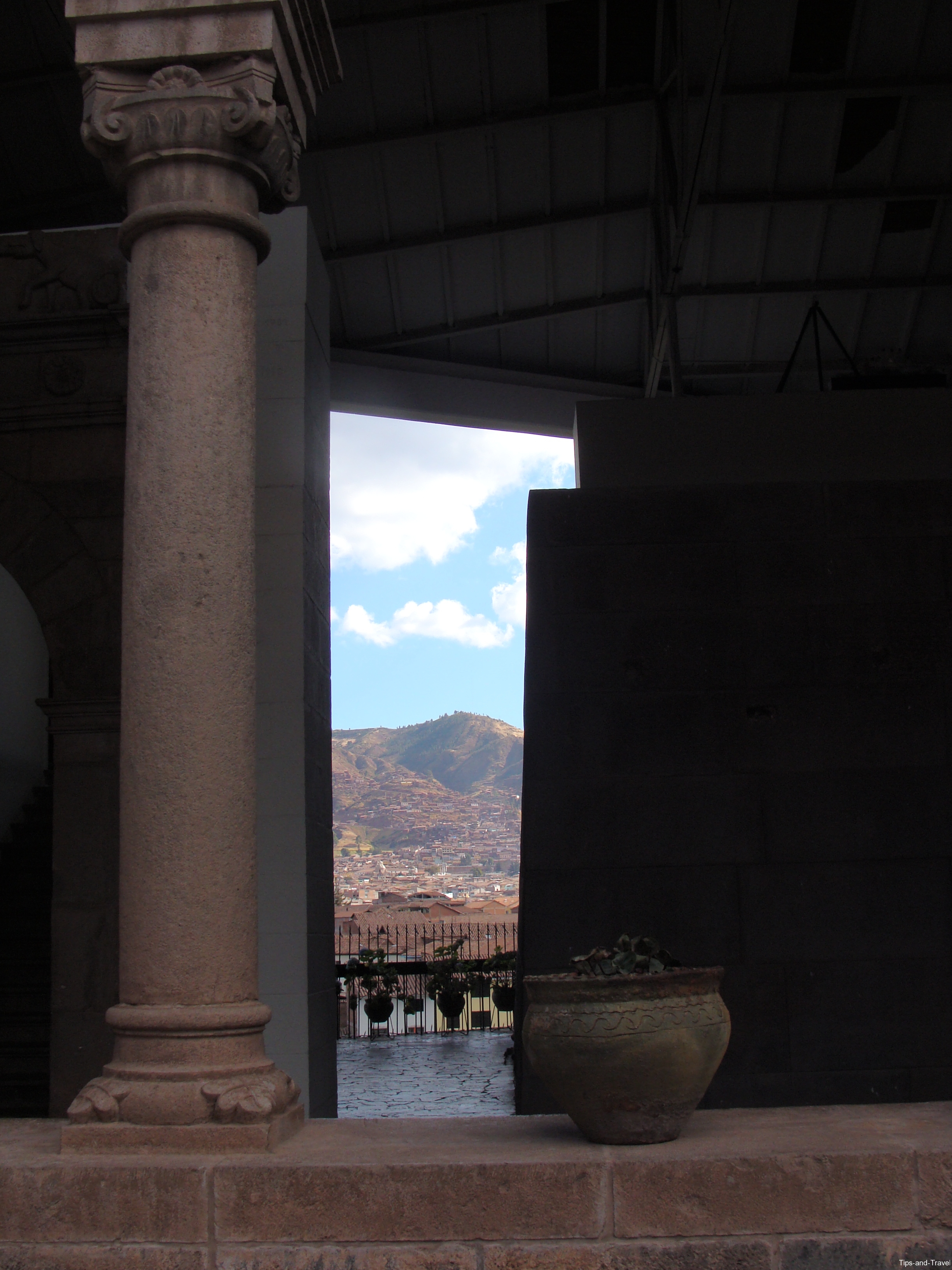
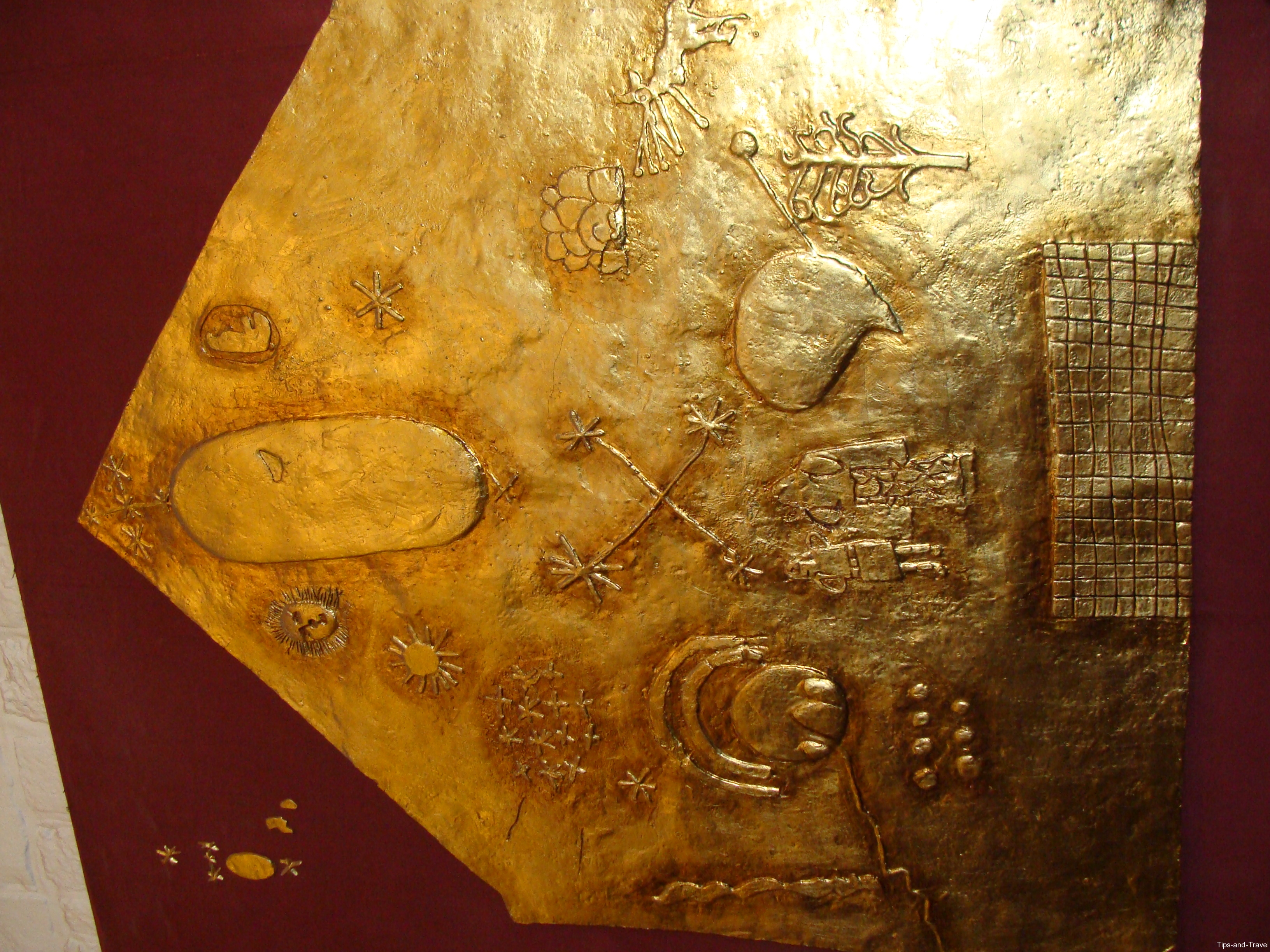
The Temple of the Sun or Coricancha (surrounded in gold in quechua), was the most sacred place of the Empire of the Incas. It’s from Coricancha that the system of Ceques shone, consisting of forty-one imaginary lines, along which there were three – hundred – twenty – eight huacas (buildings), positioned on one side and other of theTahuantinsuyu (the name that the incas gave to their empire, meaning ‘the land of the four quarters’). This particular organization allowed a total control of the empire from Cuzco. It’s exactly at Cuzco that we find substantial remains of this building which was the scene of important ceremonies of the Inca : marriages, sacred, funerals. It is there that their mummies were preserved, sitting on golden thrones. Its great walls of stone, in Inca’s style, measuring 140 m long and 135 m wide; were richly decorated. Spanish chroniclers have abundantly described its fabulous treasures, until they have melted or disappeared; the edge of the temple, the walls painted in blue, was adorned with a huge gold cornice, altars, doors, statues, were decorated with plates of gold and silver, sometimes inlaid with precious stones reflecting the light of the dayduring the day and at night with the torches. The sactuaire door was adorned with gold and silver patterns. Above the altar, there was a large gold disc representing the sun; for its strategic position, the rays of the rising sun beat on it and did it shine. At he arrival of the Spaniards, the golden plates covering the walls were torn and the mummies of the ancient Incas desecrated. The only things that remained standing were the foundations that, shortly after, served as basis for the construction of the Church and the convent of Santo Domingo.

Tips

Cuzco is located at 3,400 metres of altitude so consider that during the night it’s cold but in the day, especially from April to October, there’a lot of sunshine so you should be careful not to get ill cause of the hot temperatures. Sunglasses and solar protector are suitable.

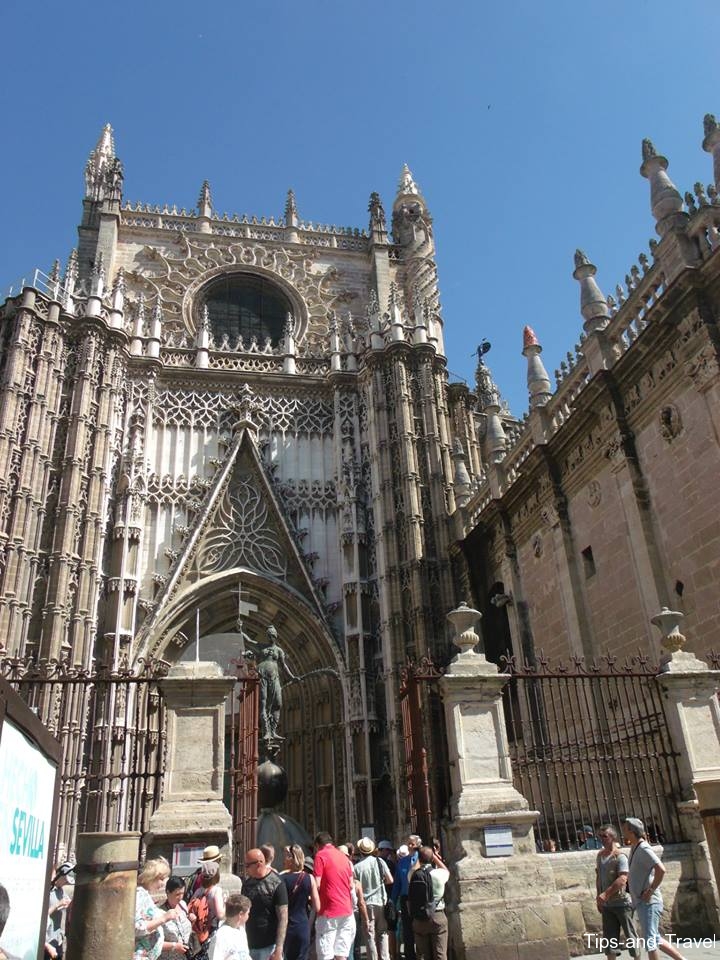
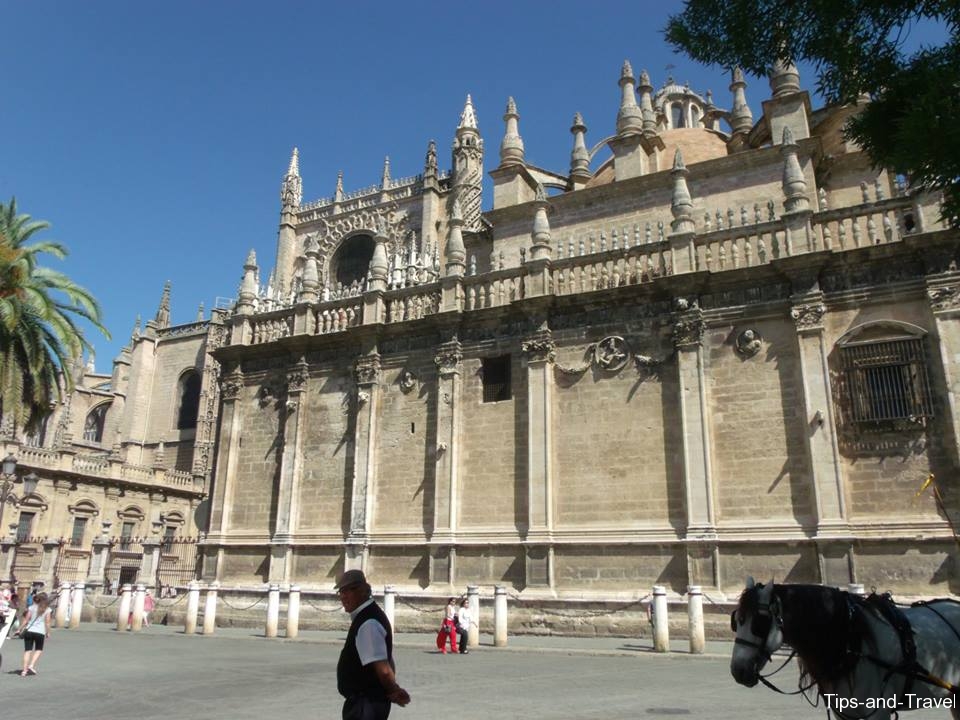
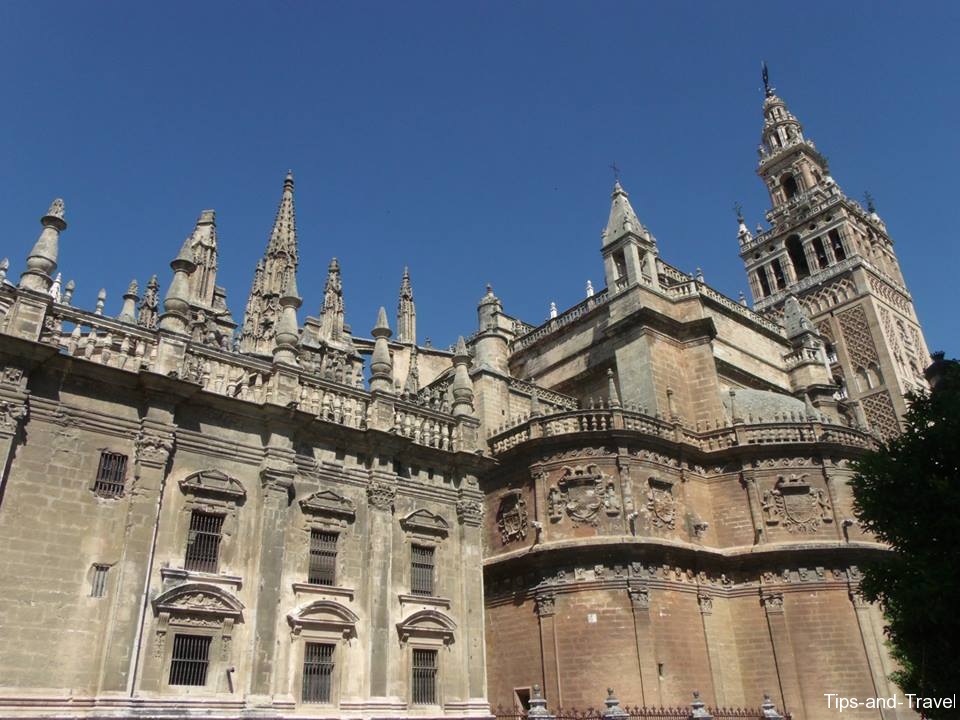
Cathedral of Seville, Andalusia, Spain

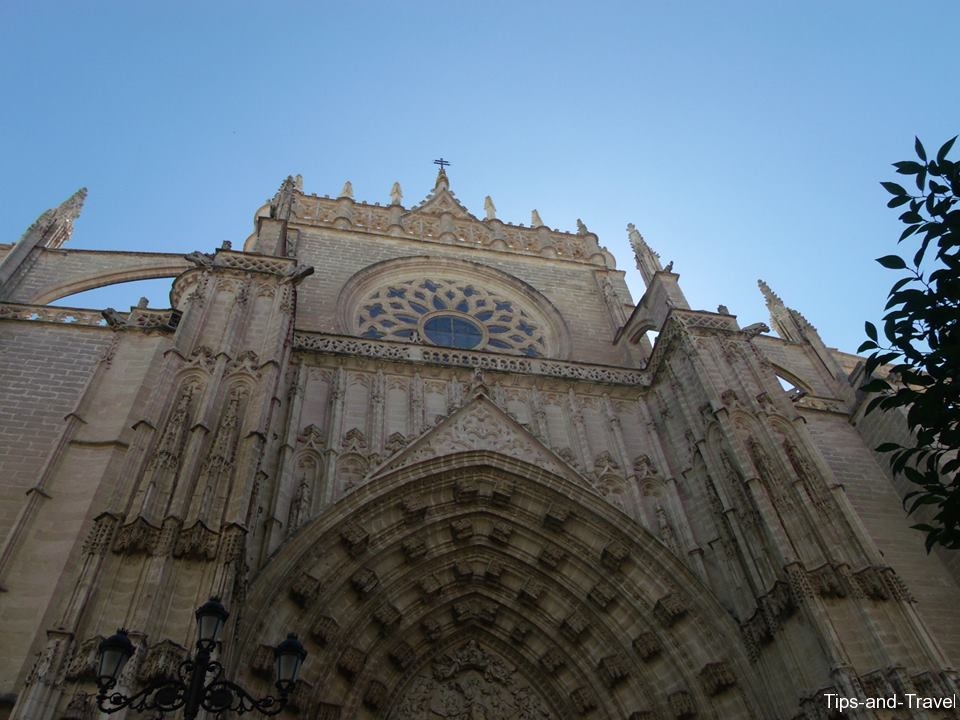
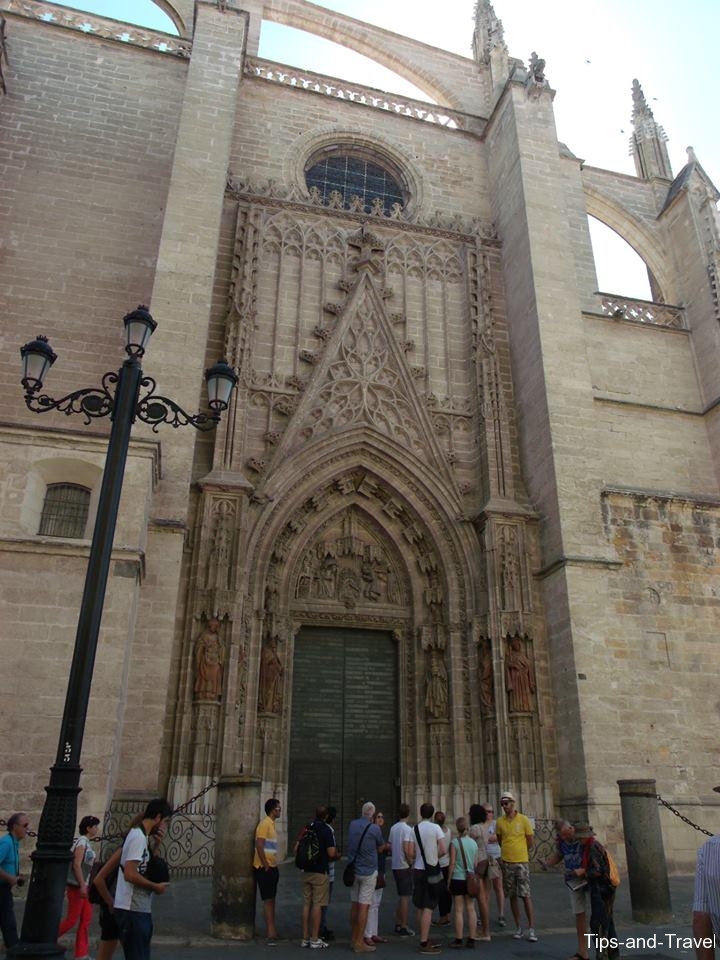
The Cathedral of Seville in Andalusia was built between 1402 and the XVIᵉ century. Gothic style, it has a bell tower, the Giralda, a former Moorish minaret of the great Almohad mosque that stood on the site of the present cathedral. This is one of the largest Catholic cathedrals in the world and the largest in Spain (132 meters long and 83 meters wide). There are thirty side chapels and vaults of the central nave that arrives at 42 meters. It was built by reusing elements and columns of the ancient mosque. The interior is luxurious, with plenty of gold. The choir opens on the Main Chapel, dominated by the huge Gothic altarpiece consisting of 45 carved panels depicting scenes from the life of Christ, made by sculptor Pierre Dancart; this is the largest and richest altar painting in the world and one of the most sumptuous carved pieces of Gothic art. It contains the tomb of Christopher Columbus and also some kings of Castile. There is a monumental monstrance, the largest in the world. Among its riches, there are collections of paintings, statues and pieces of jewelry. Since 1987 it is a UNESCO World Heritage Site. Outside it has several doors, one of it leads tothe ‘Patio of Oranges’.

Tips

Check the calendar before your visit because it is prohibited when the cathedral is on duty. Access is paid but generally, there is the possibility of a guided audio tour (in Spanish or English only) for free on Monday afternoon (16h00-18h30 if there is no service) but under appointment.
You can take pictures but without flash.
The entry of any person who is under 18 may be made only if accompanied by an adult.


The Vatican

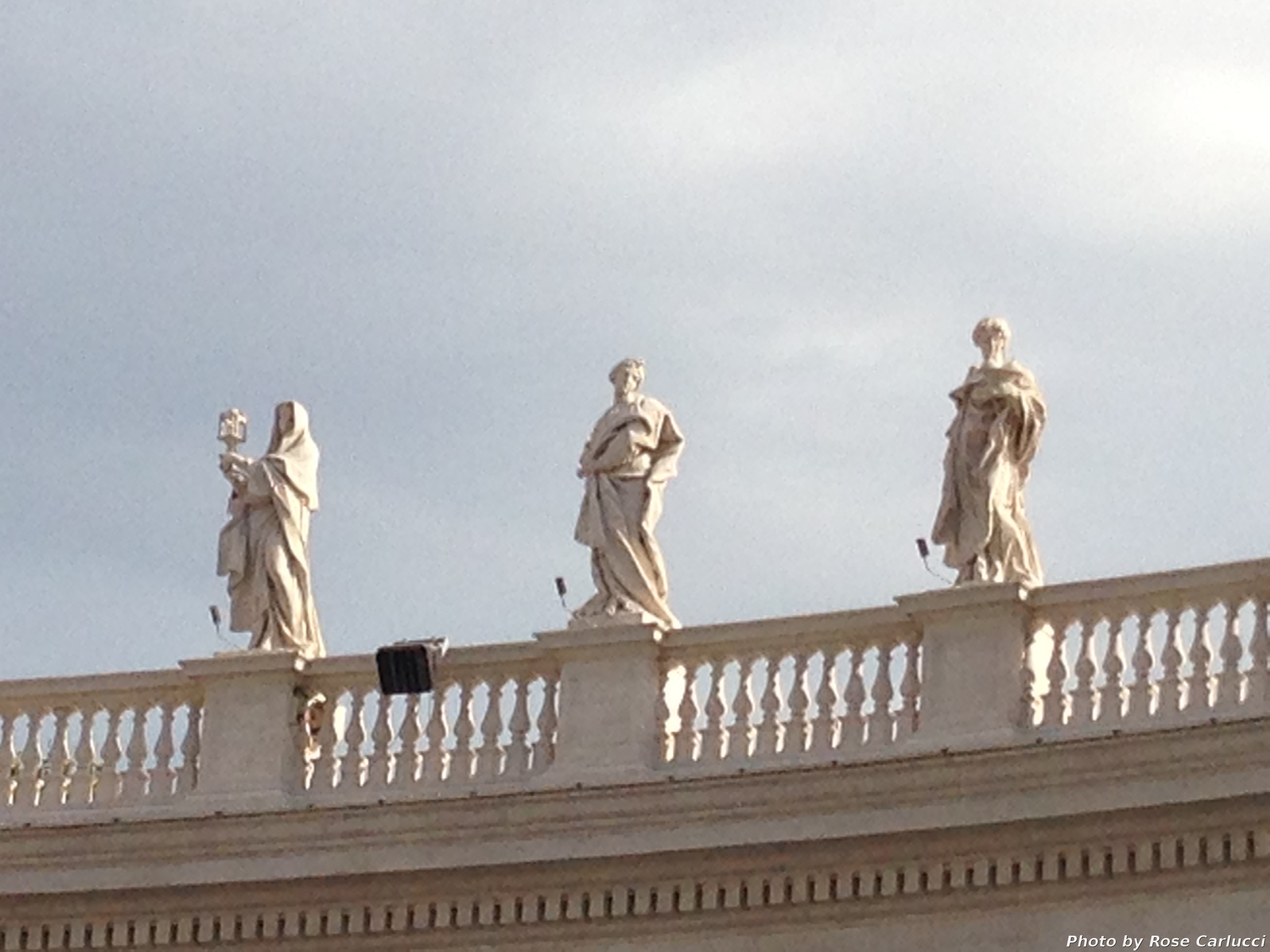
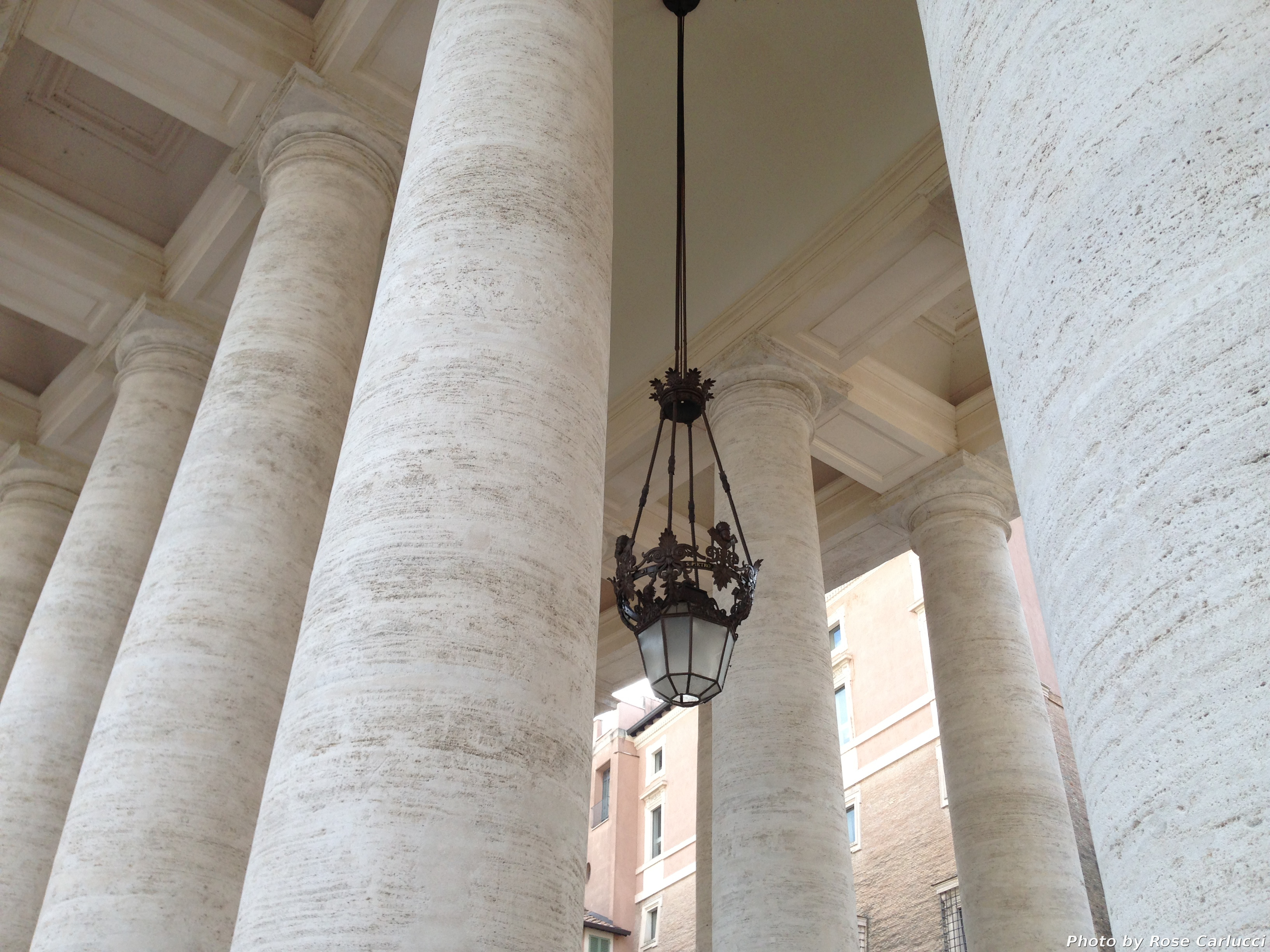
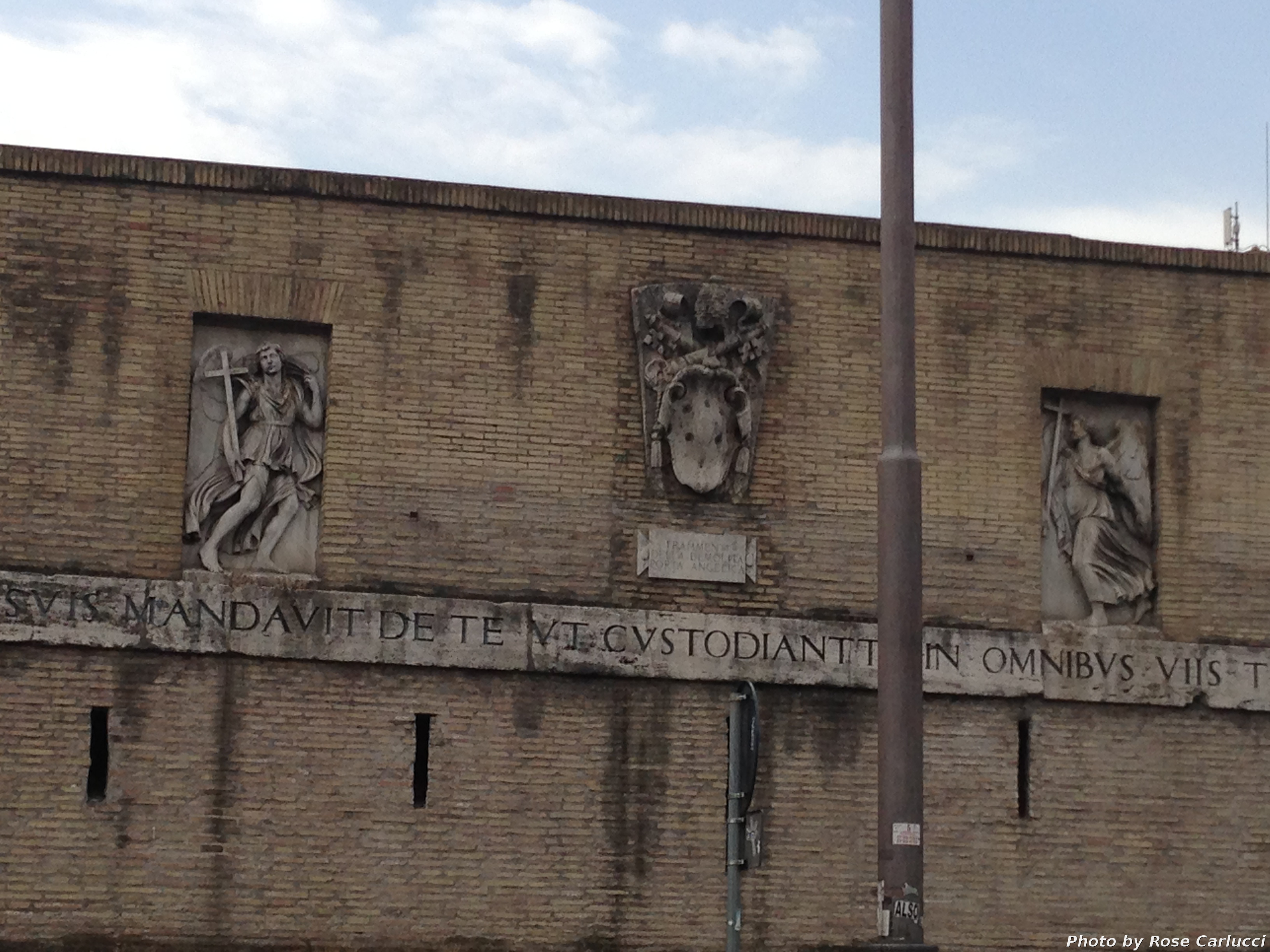
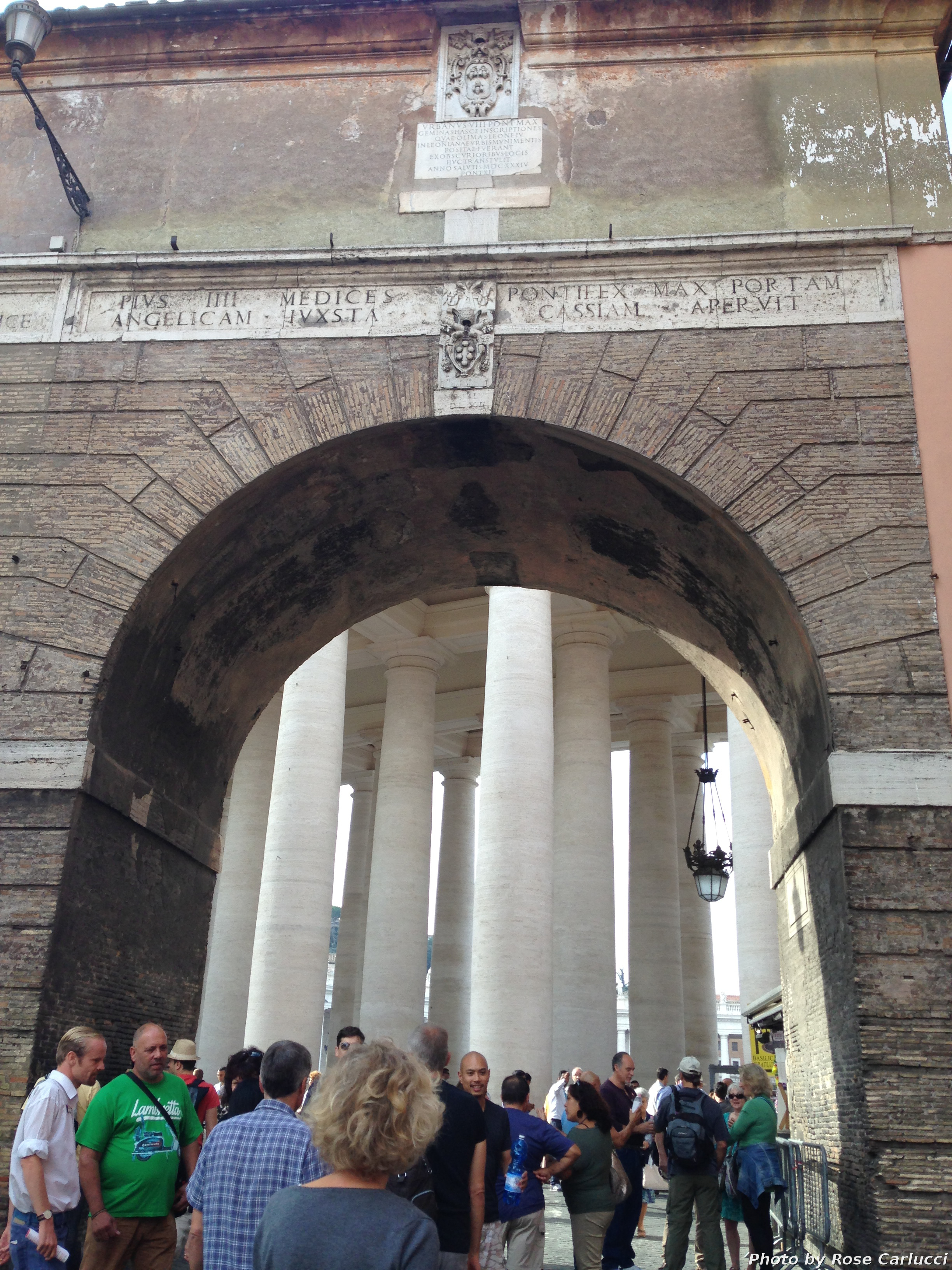
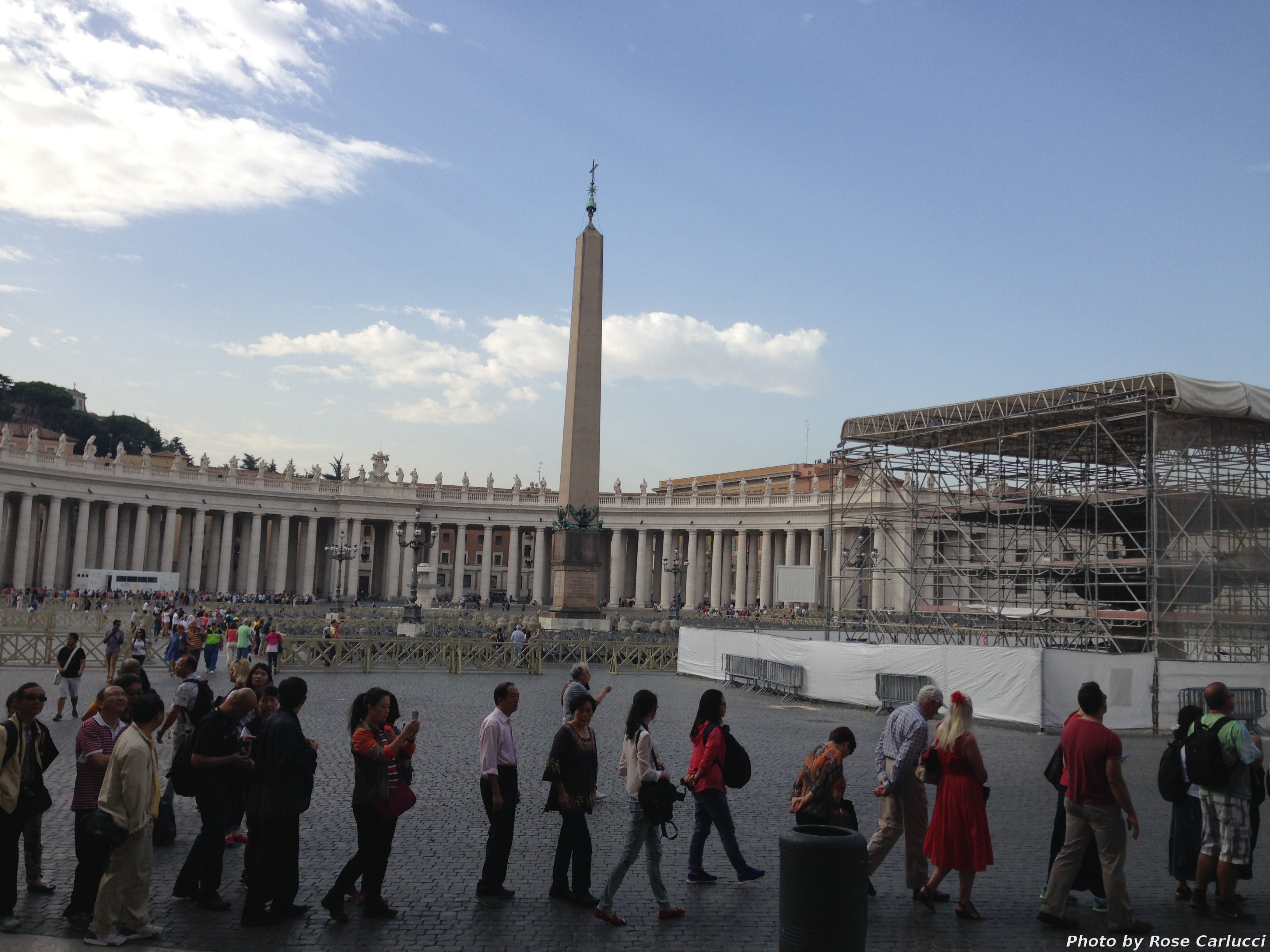
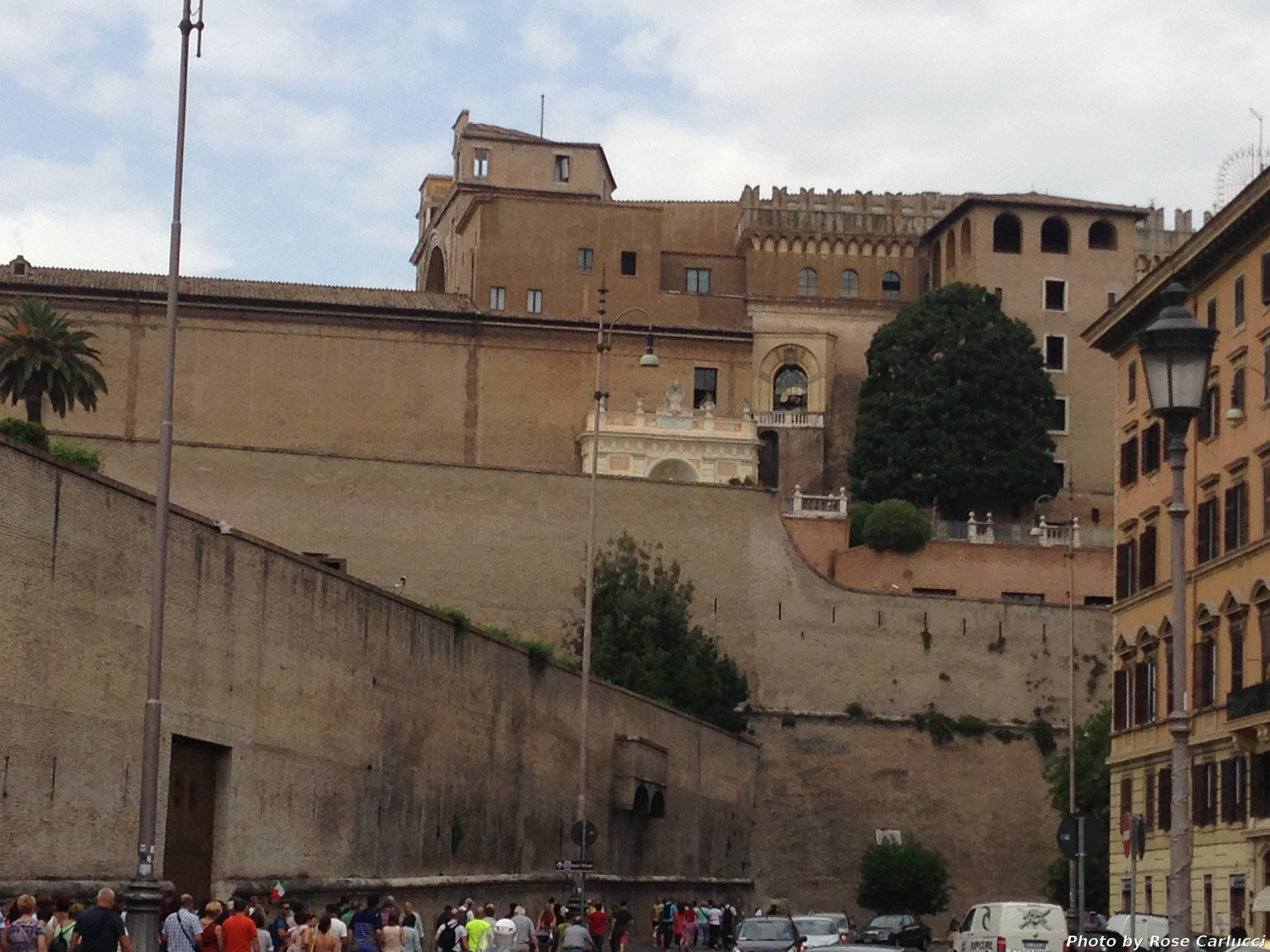
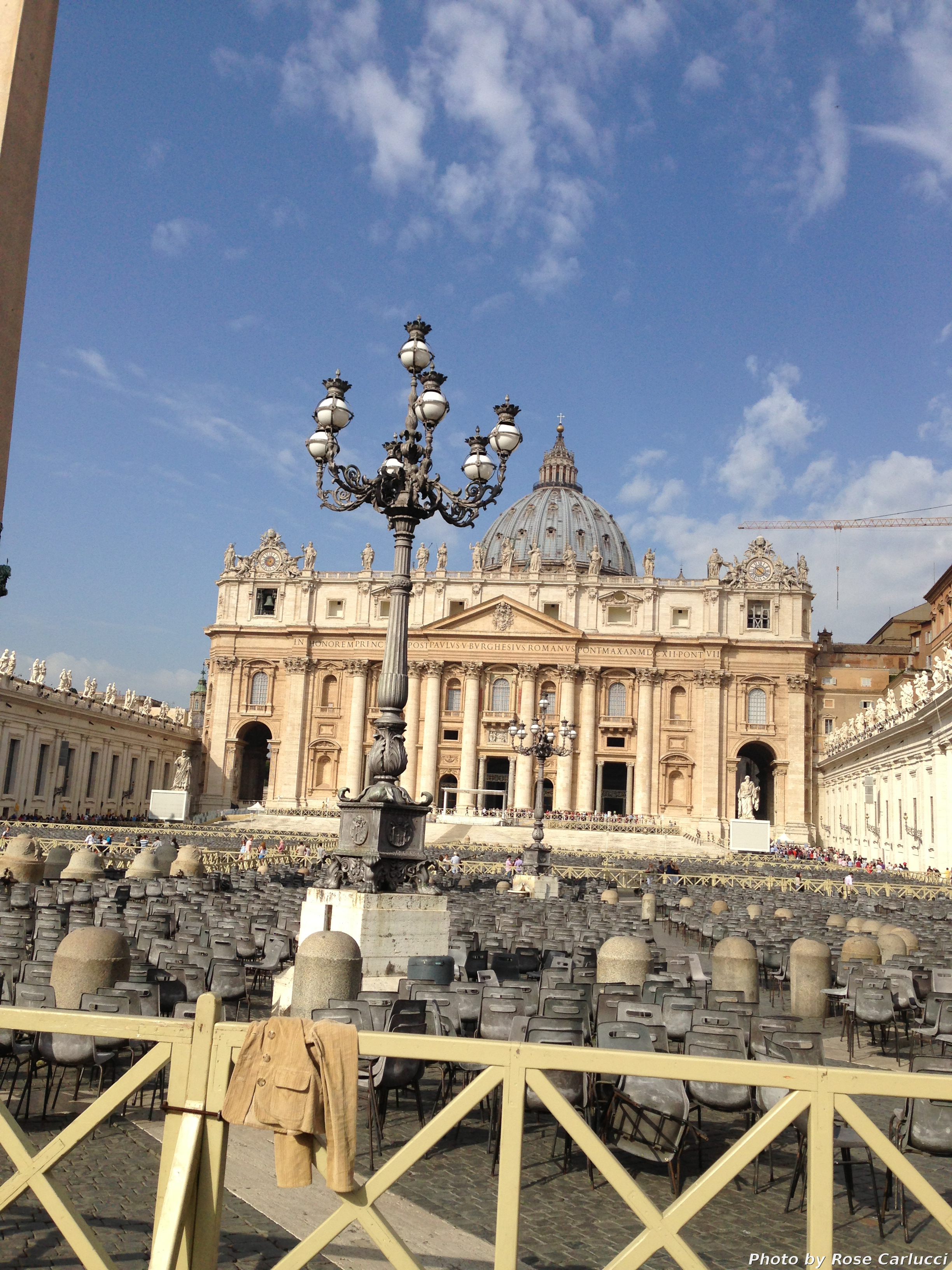
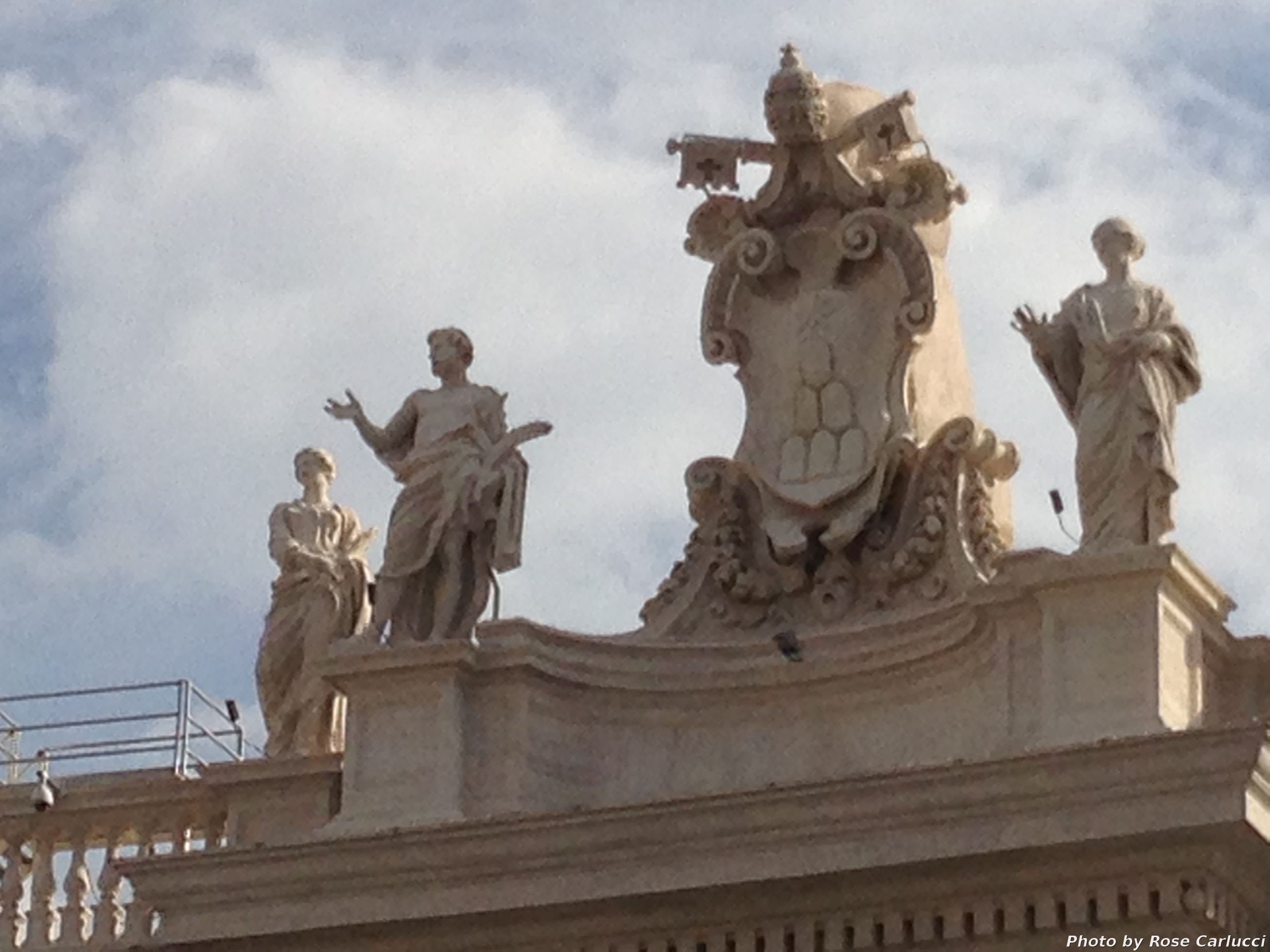
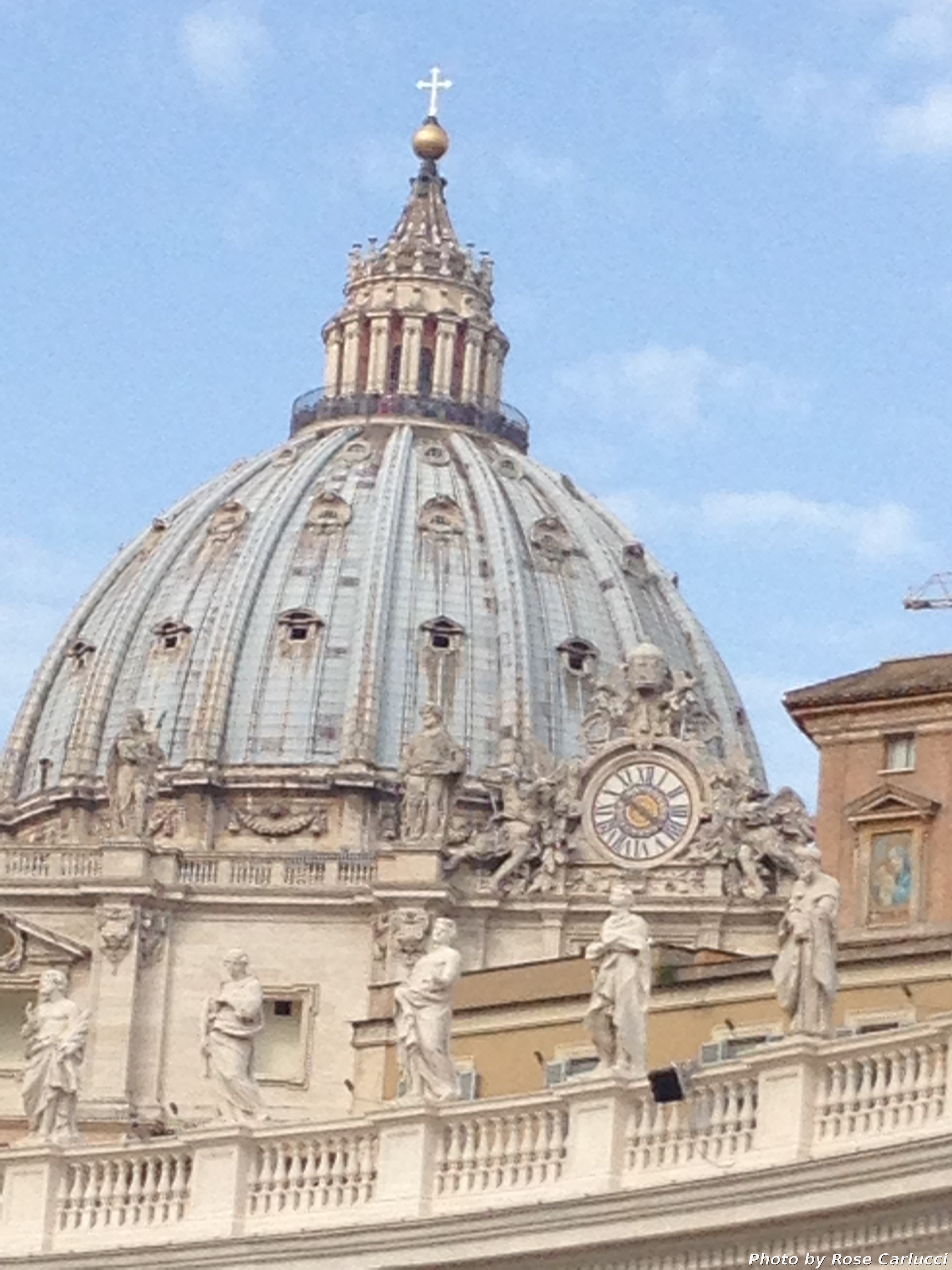
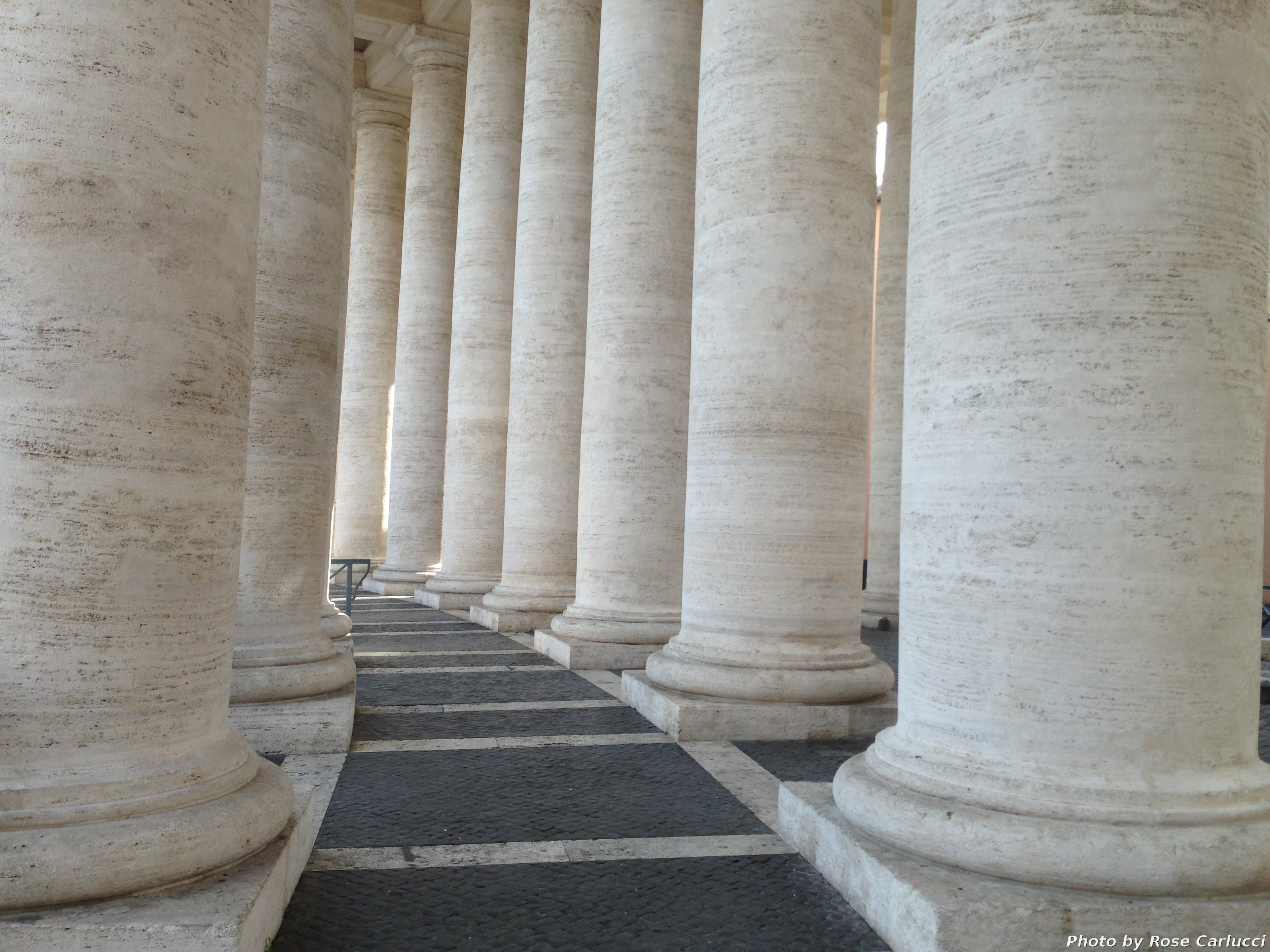
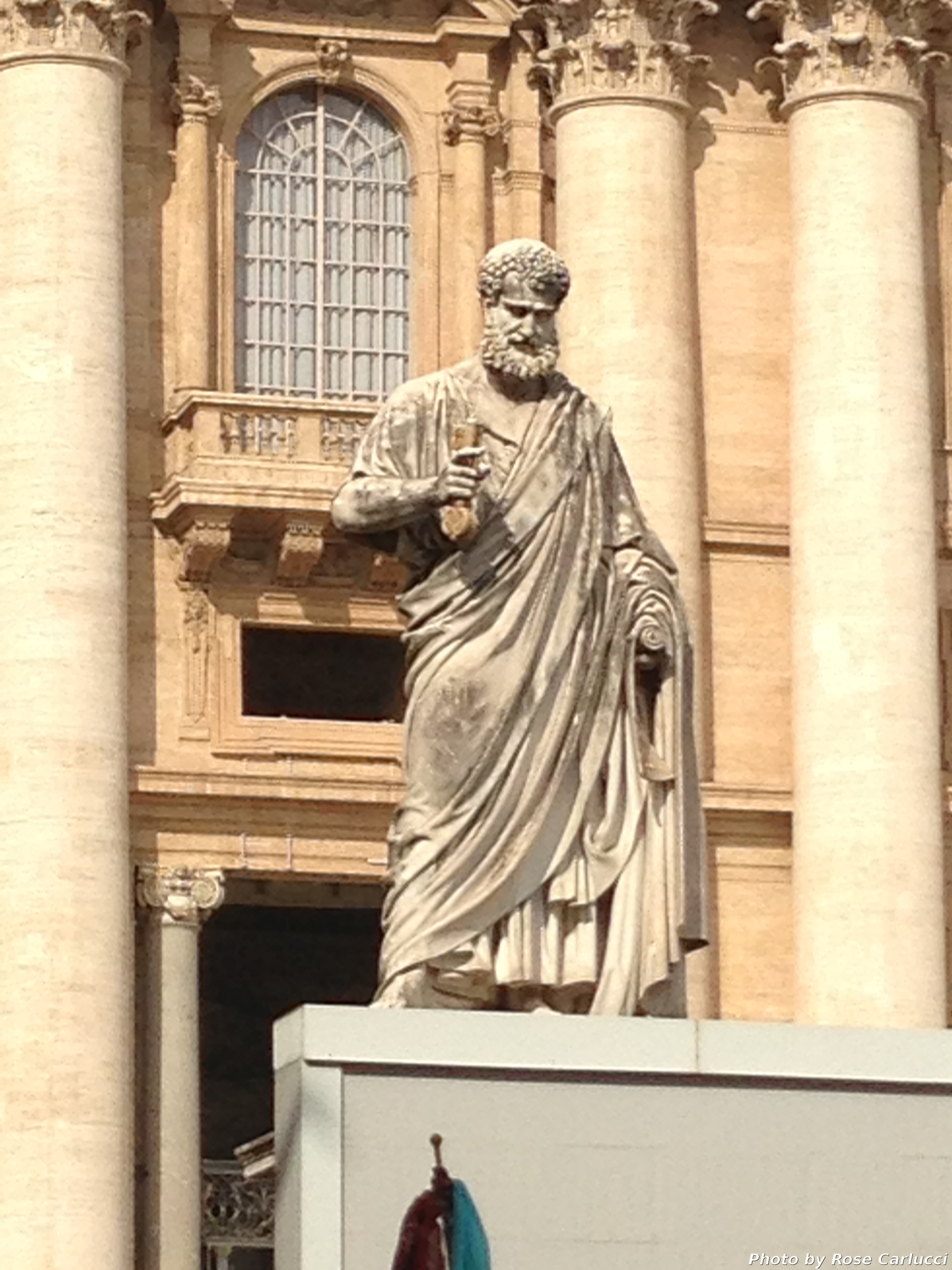
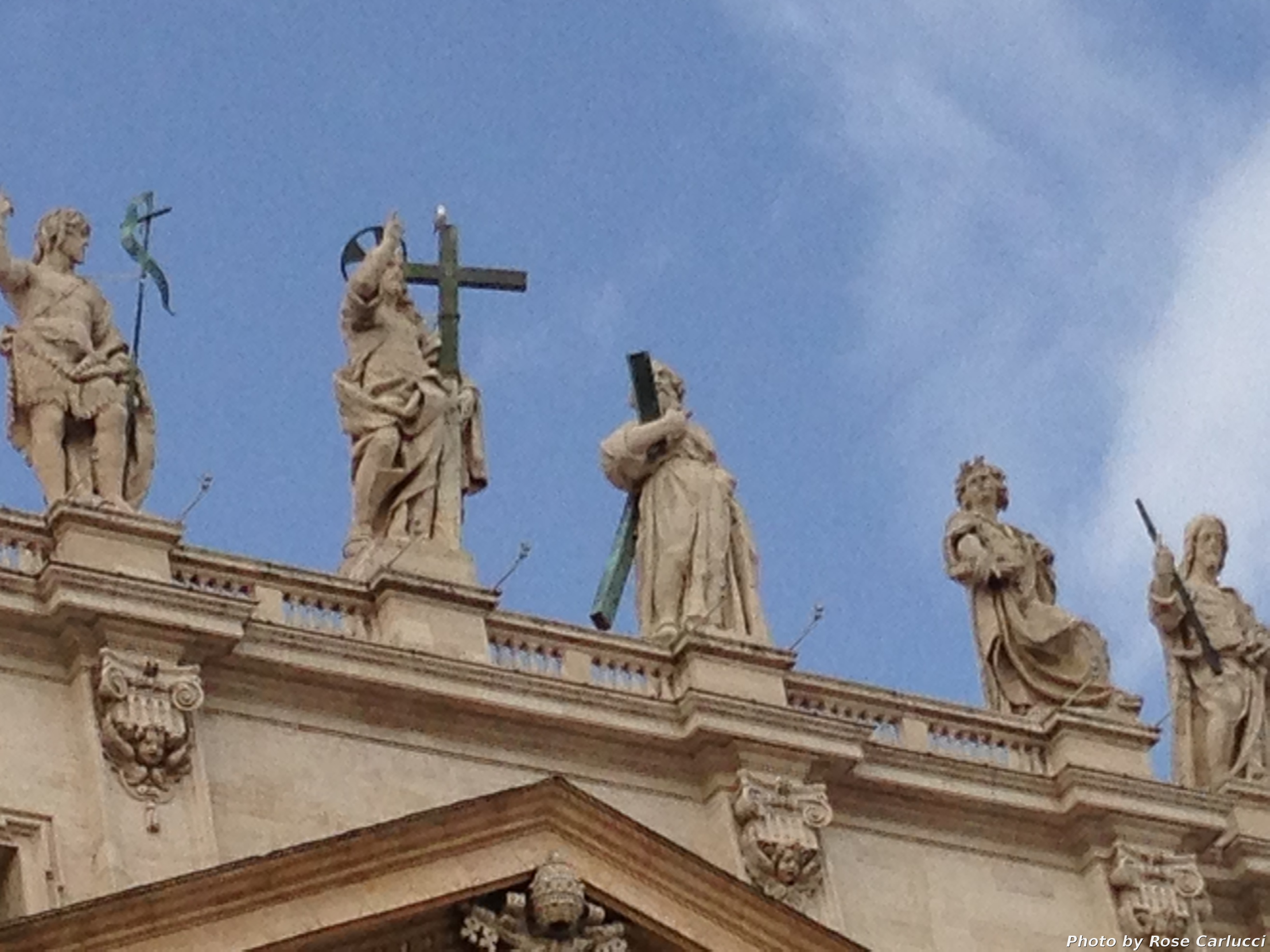
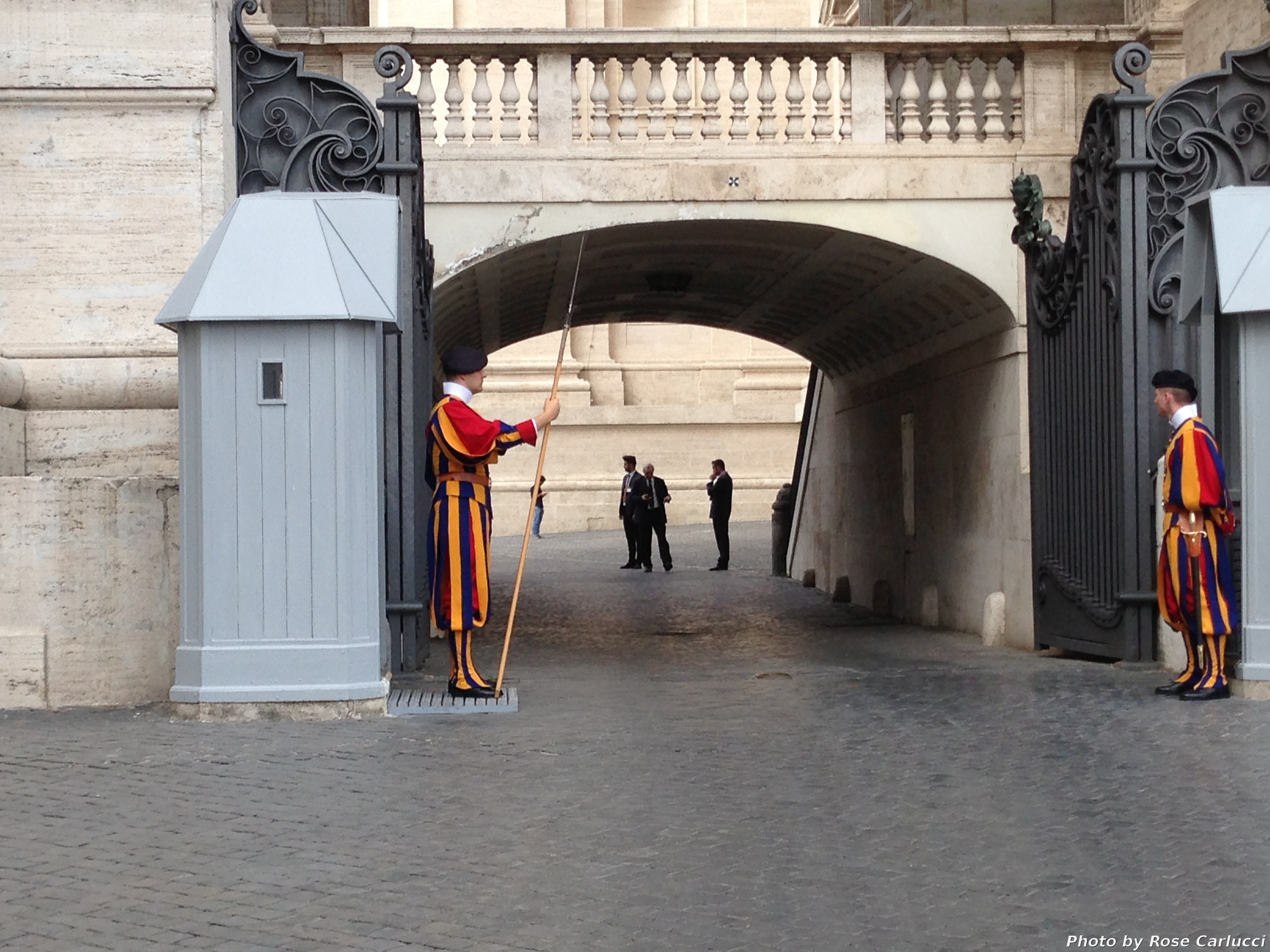
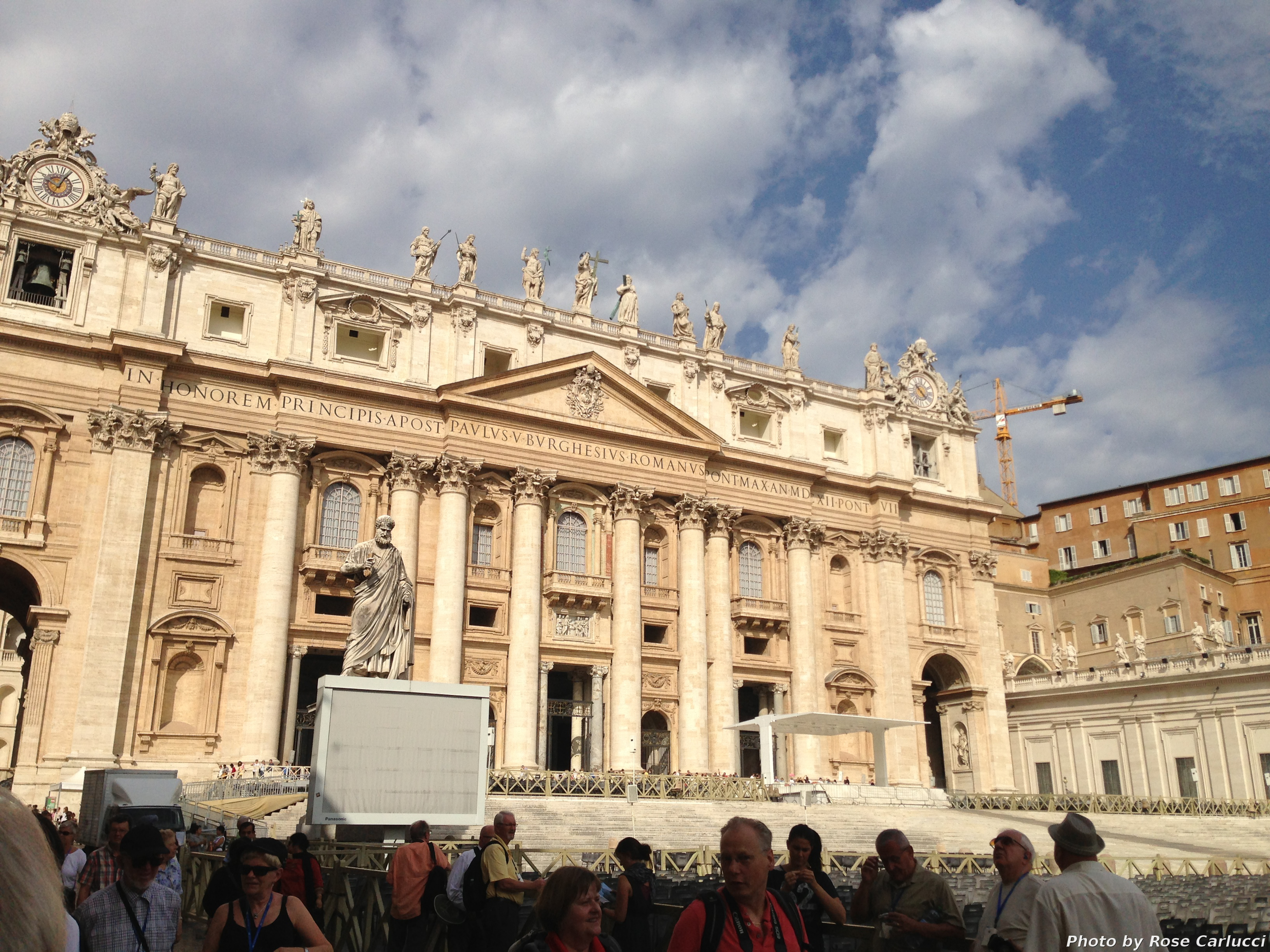
The Vatican or the State of Vatican City, is the Territorial Support of the Holy See and all the institutions of the Roman Catholic church, landlocked in the Italian city of Rome, is the smallest state in the world with about 900 residents. The famous Pontifical Swiss Guard, responsible for protecting the Pope, also resides there. The Vatican, important archaeological site of the Roman world, located on the hill of the same name, is the seat of the papacy and the Catholic world. The reigning pope is Francesco (Francis), born in Argentina, elected in 2013 after the resignation of Benedict XVI. A humble and friendly Pope, loved by all, who is making significant changes to the Catholic Church. The City of the current Vatican can be considered as the remaining old Papal States. The ancient origin of this territory is a series of land donations. There were a few villas, built around imperial gardens that were property of Agrippina, whose son was the emperor Caligula who had built a private circus ‘Circus Vaticanus’ from which we find to date, only the obelisk. The Vatican is an absolute and elective monarchy: the Pope is elected by a qualified majority at the conclave, and reign in life by principle, but he can also give up. The Holy See also has several buildings outside of the Vatican City with their total area is about double that of the Vatican. We can name all of the Lateran (the basilica, the palace and the Scala Santa), St. Mary Major Basilica, Vatican Radio, the Gregorian University, Castel Gandolfo (the Pope’s summer residence), among others.

Tips

If you are visiting the Vatican during your stay in Rome, know that one day is not enough to see everything, but it’s a beginning. So to enjoy the day, try to arrive early to enter the Basilica, instead you will find yourself with a long queue that will take away the wish to enter. The best way to travel is by subway; you have to walk just a few meters and you are there. If you care to see the Pope, Francesco released on Wednesday. Inquire for its calendar. If you like museums, the Vatican counts 11 museums with rich collections of sacred art and profane as well as Etruscan and Egyptian antiquities and works of painters, including Michelangelo.