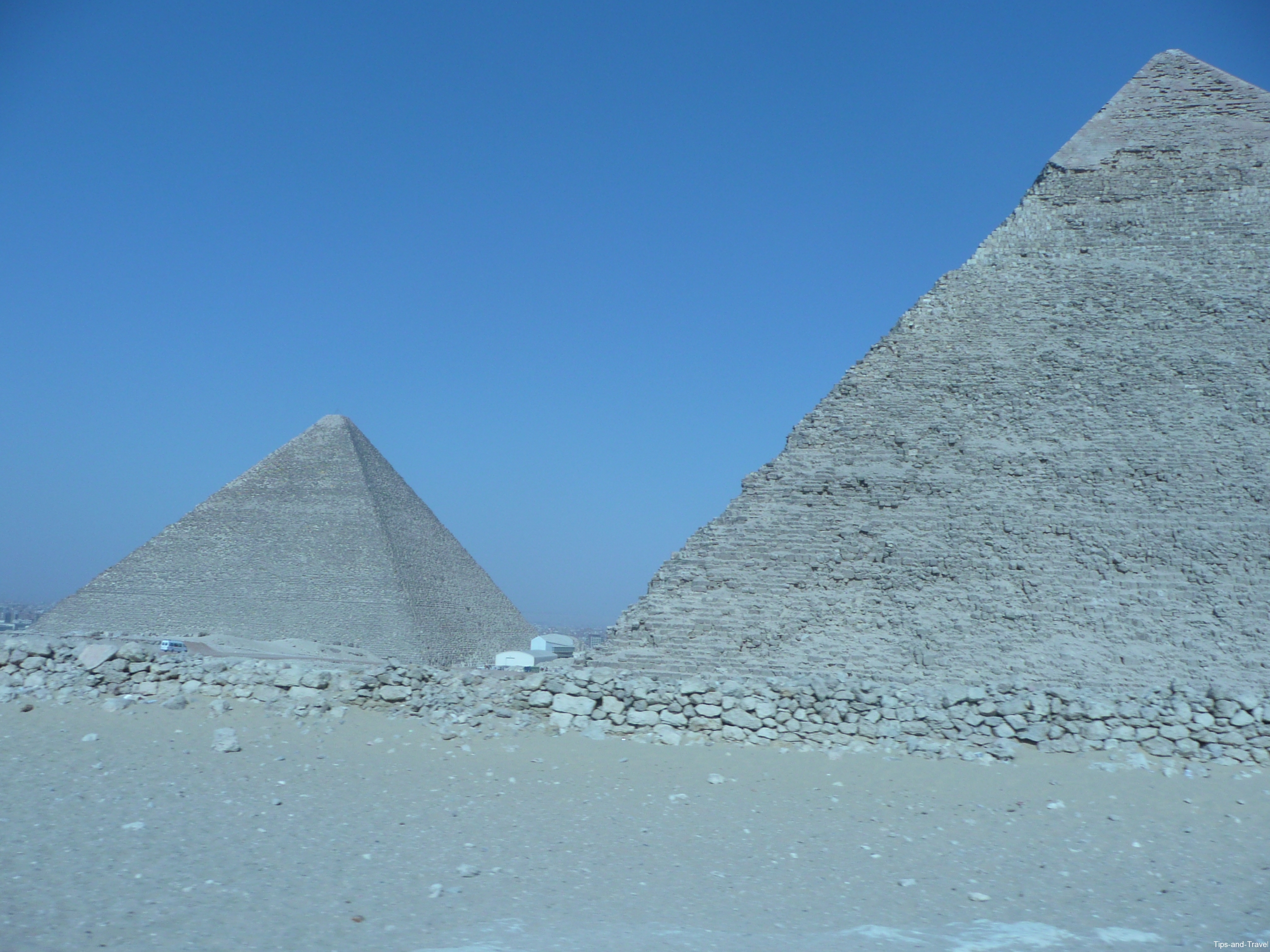
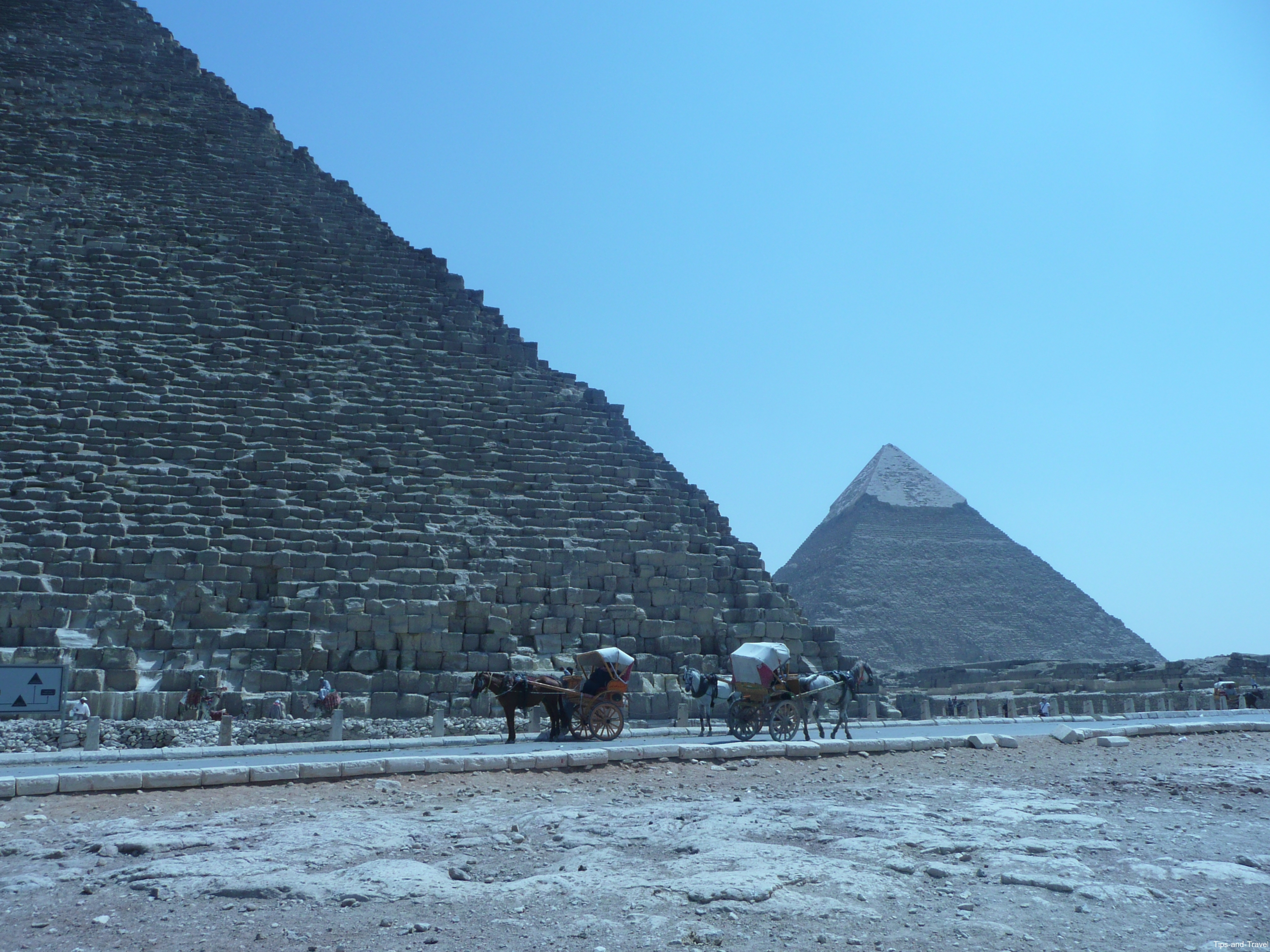
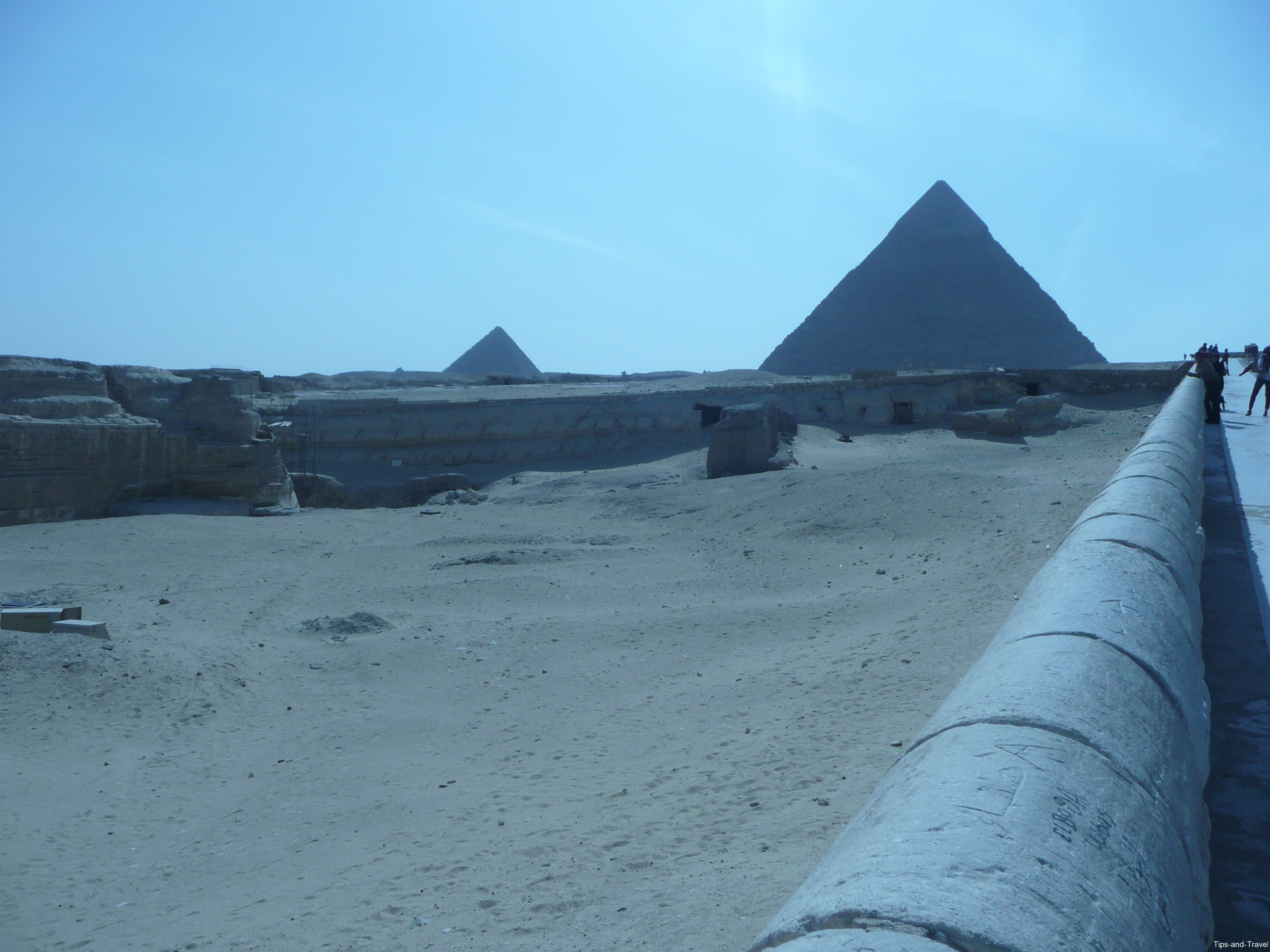
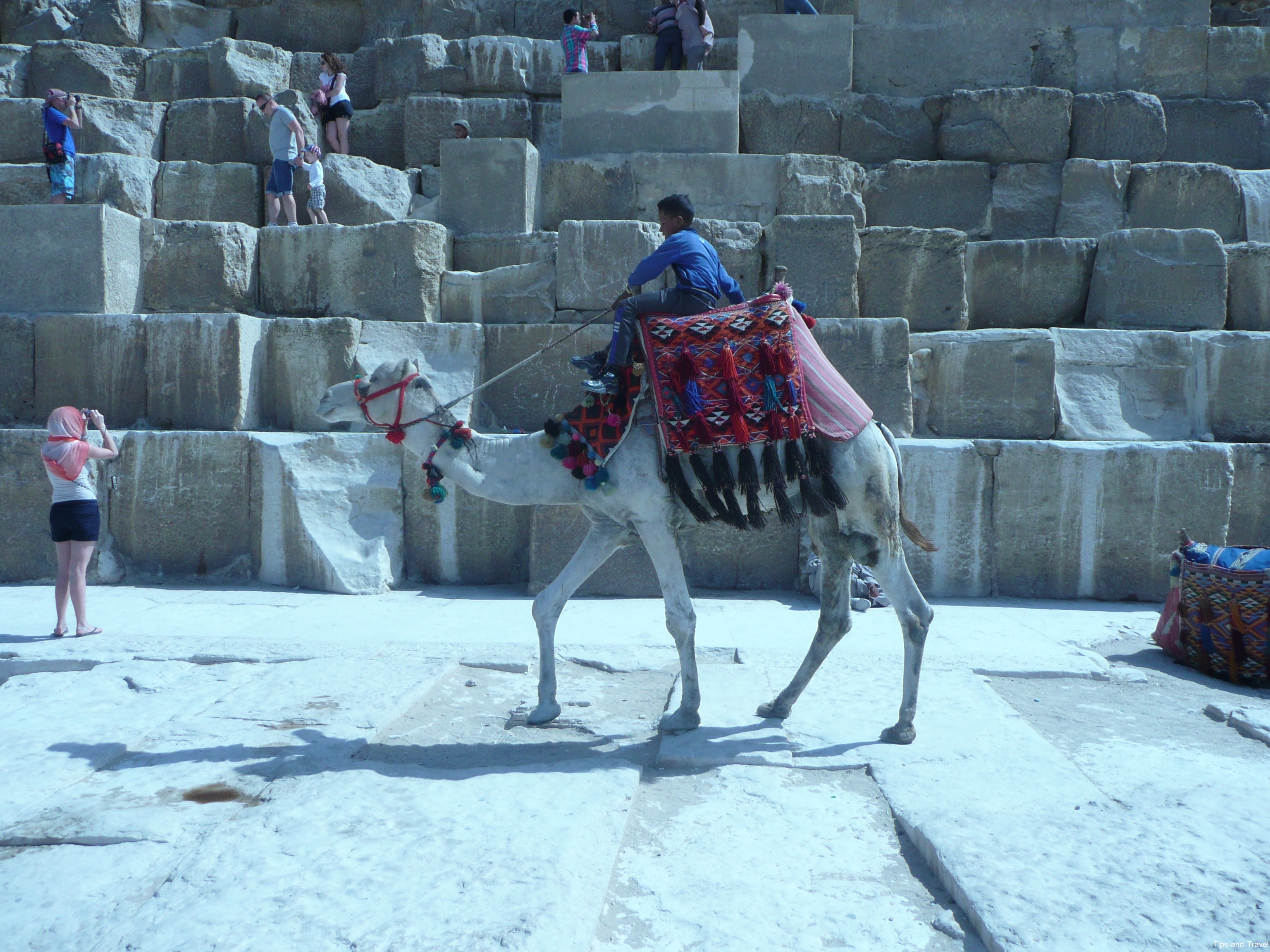
Pyramid of Cheops, Giza, Egypt

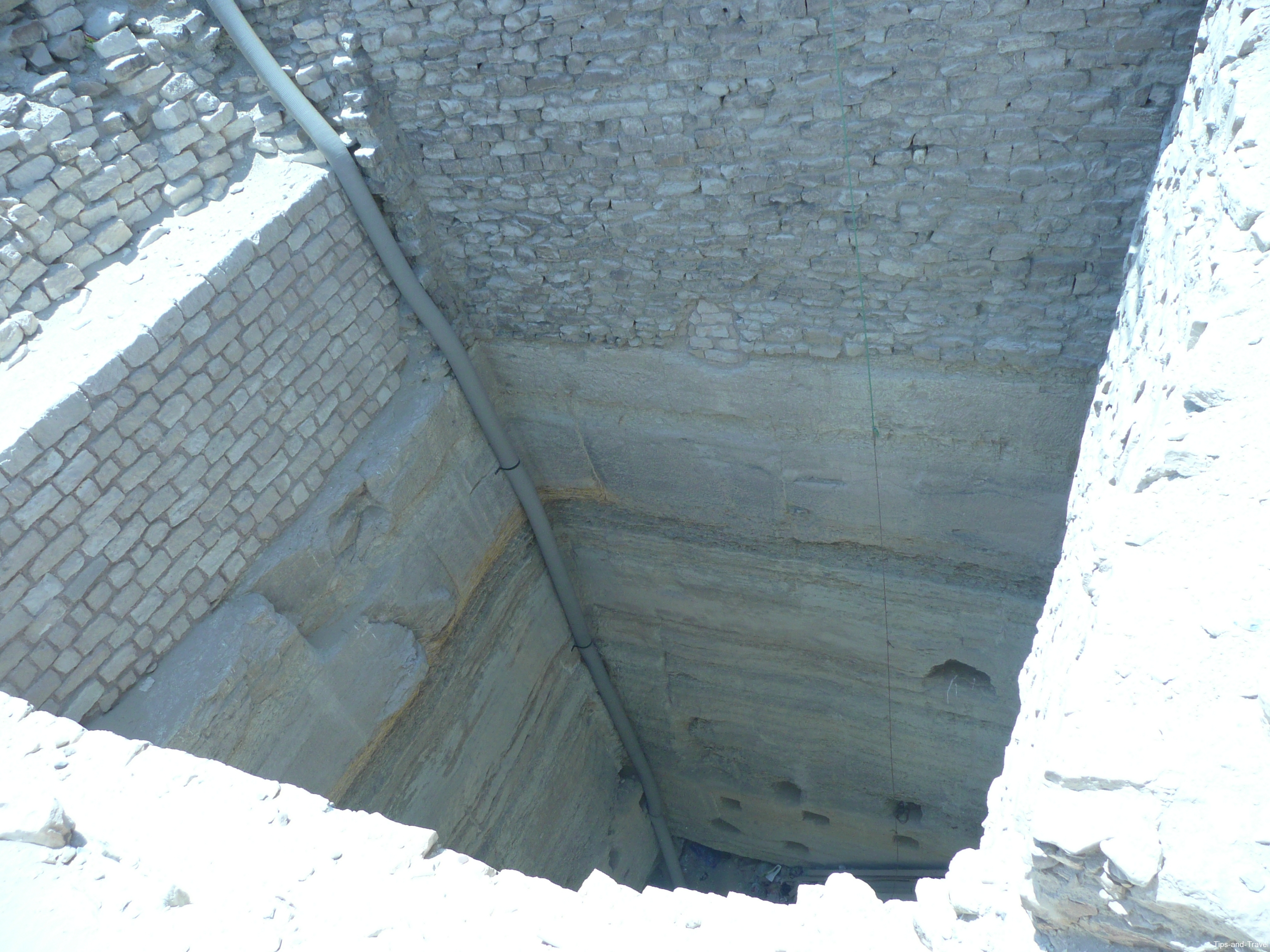
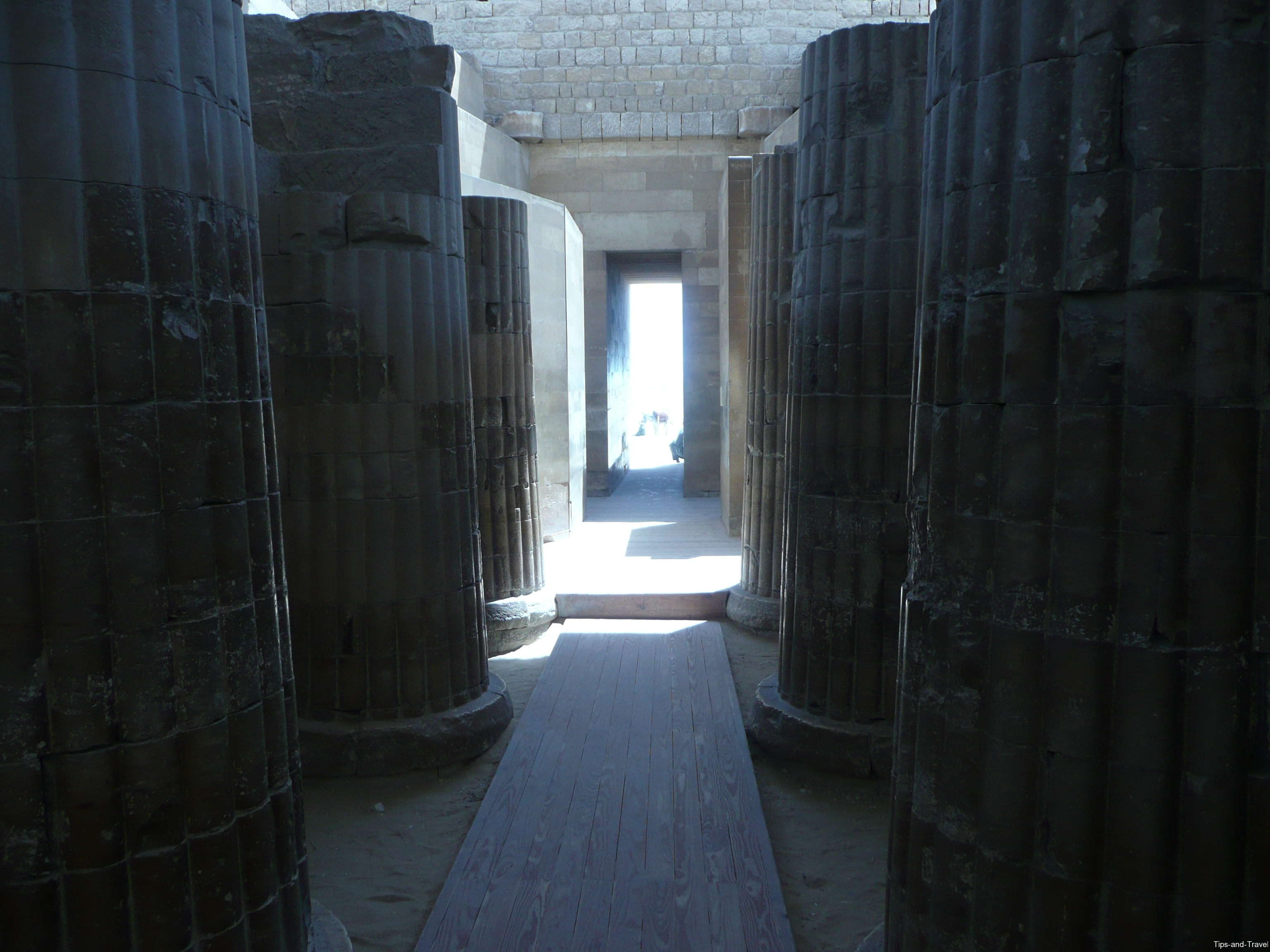
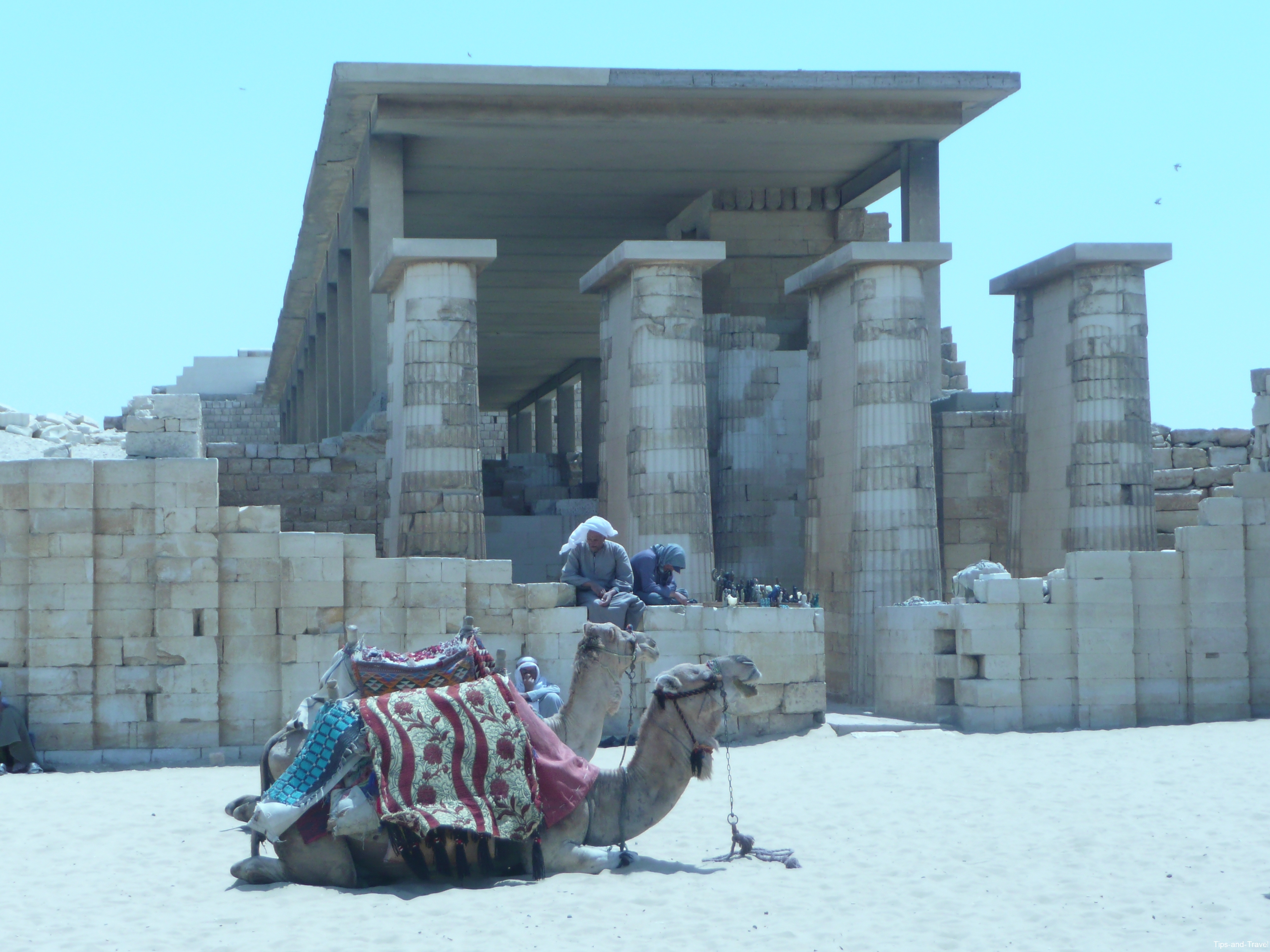
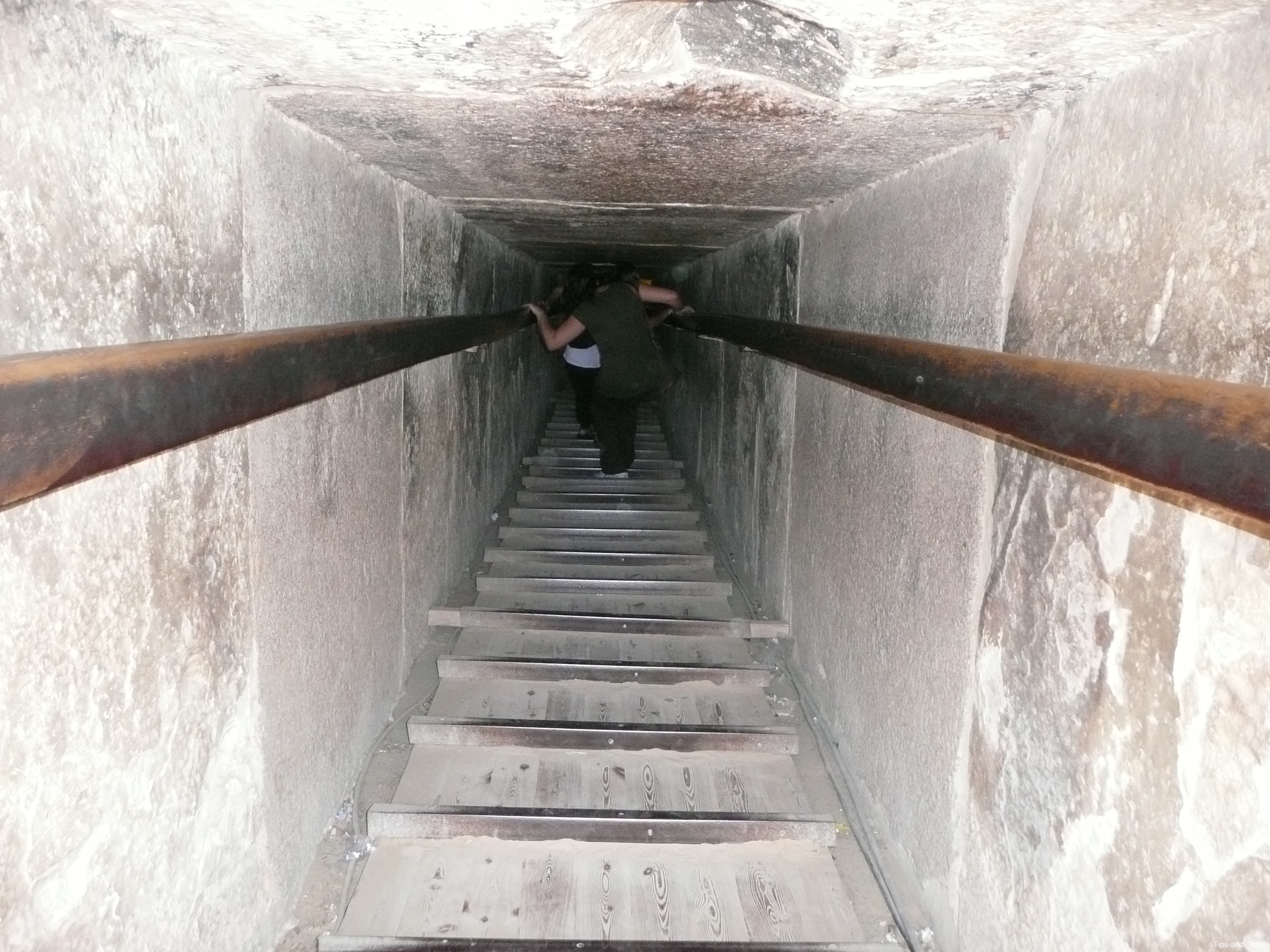
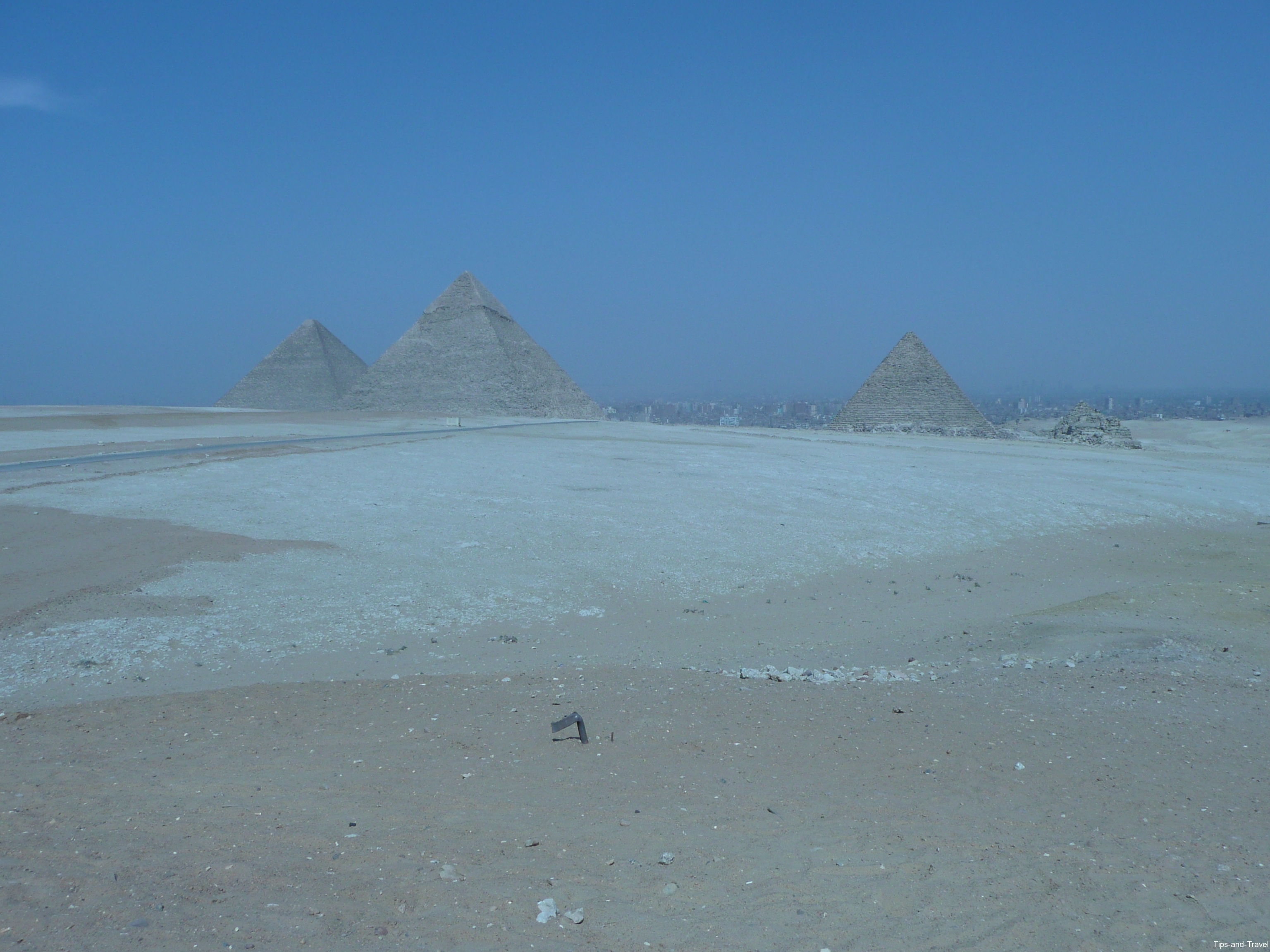
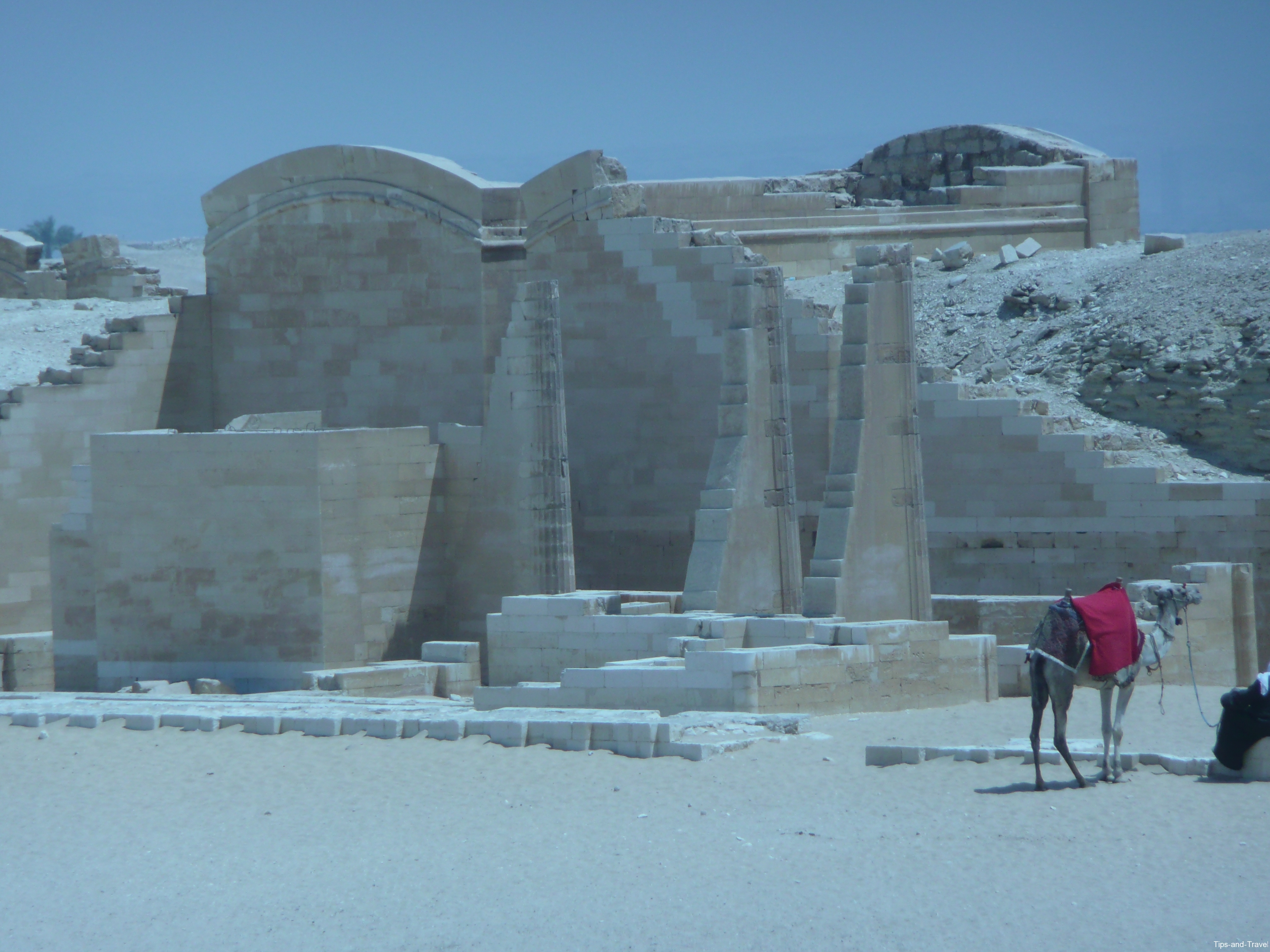
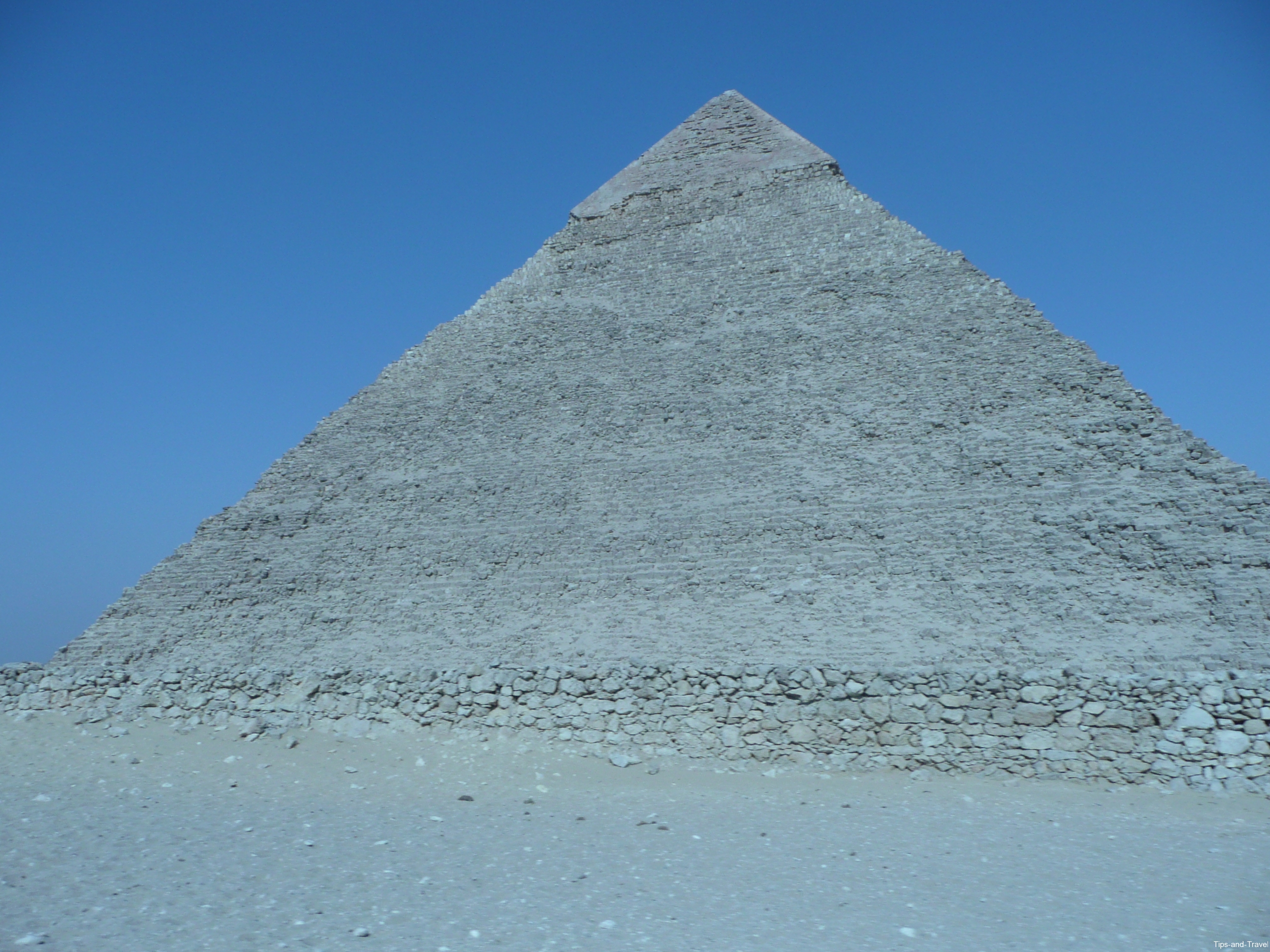
The Pyramid of Cheops or Great Pyramid of Giza is a monument built by the ancient Egyptians; more than 4,500 years ago, forming a pyramid with a square base of 230 m and 137 m in height; presumed tomb of Pharaoh Khufu. It is the only of the seven wonders of the world of antiquity to have survived until today, as being also the oldest. The pyramid is part of a complex where there is a funerary temple of two parts: valley temple or bottom (associated with a harbor jetty on the edge of the cultivated land) and an upper or top temple (tchapel where clergy deposited daily offerings), located near the pyramid. There is a monumental tiled corridor serving as connecting gallery between the parties. There are also three pyramids of queens, a satellite pyramid, surrounded by a wall, connected to the communication gallery and multiple mastabas (funeral buildings) grouped into three cemeteries located to the east behind the queens pyramids at south of the Great Pyramid, and on the west of the pyramid of King.

Tips

It is recommended to do business with a local guide accredited by the Ministry of Tourism to ensure that there is room for a domestic tour inside.
You can do a carriage ride to take pictures and see the pyramids and the countryside. Remember to negotiate the price.
There are many sellers on the site that can be quite pushy but if you are showing any interest they will not insist too much.
You can also visit the site at night to watch the spectacle of sound and light.
Frida Kahlo Museum, Coyoacan, Mexico City, Mexico

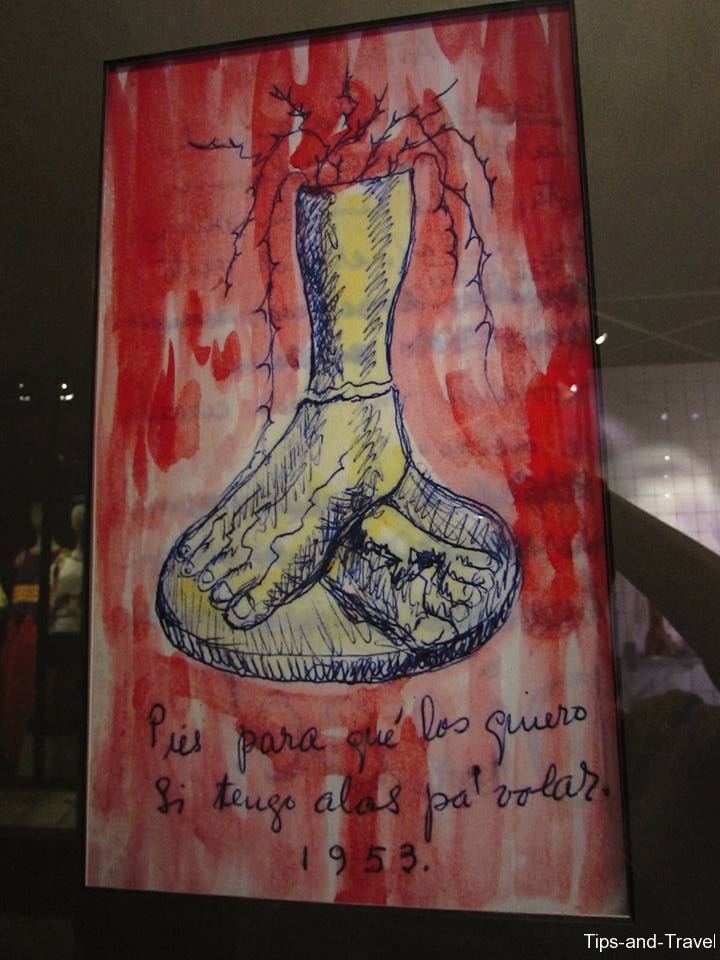
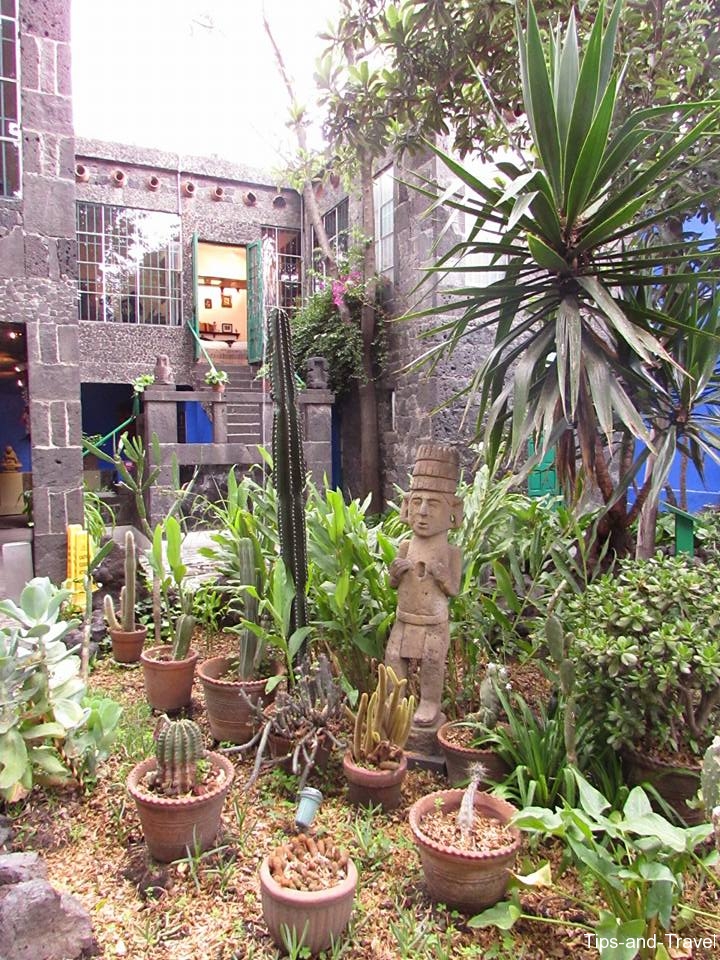
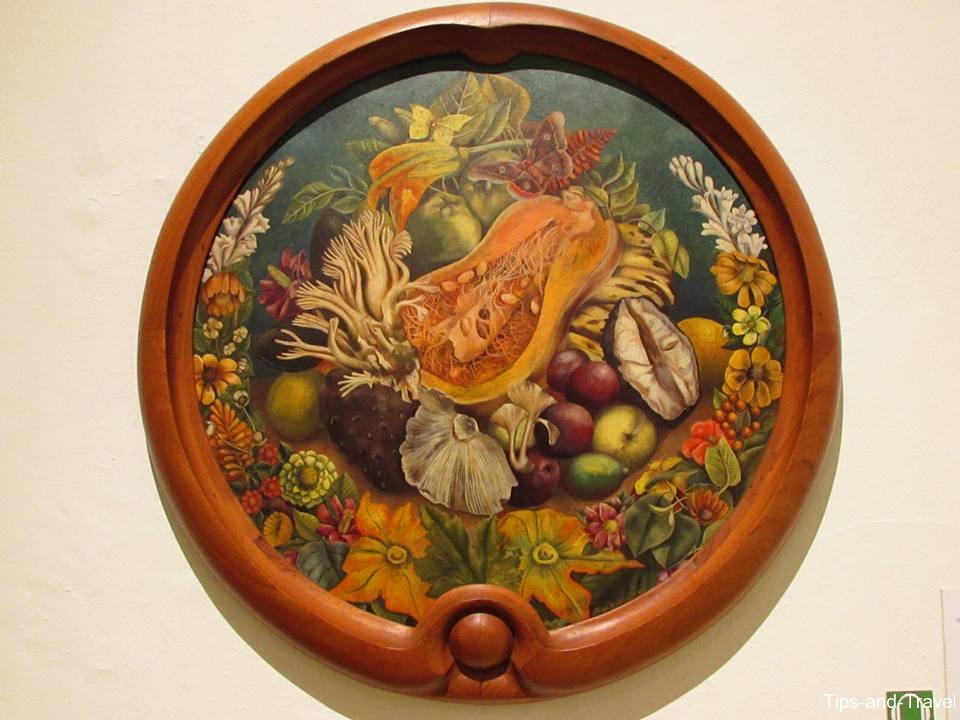
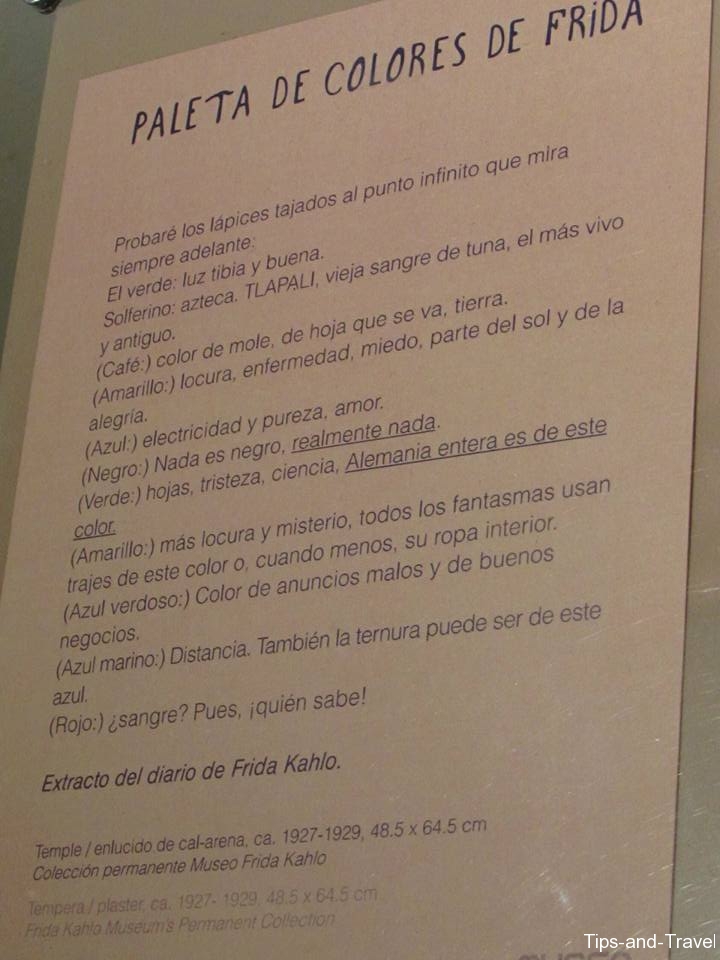
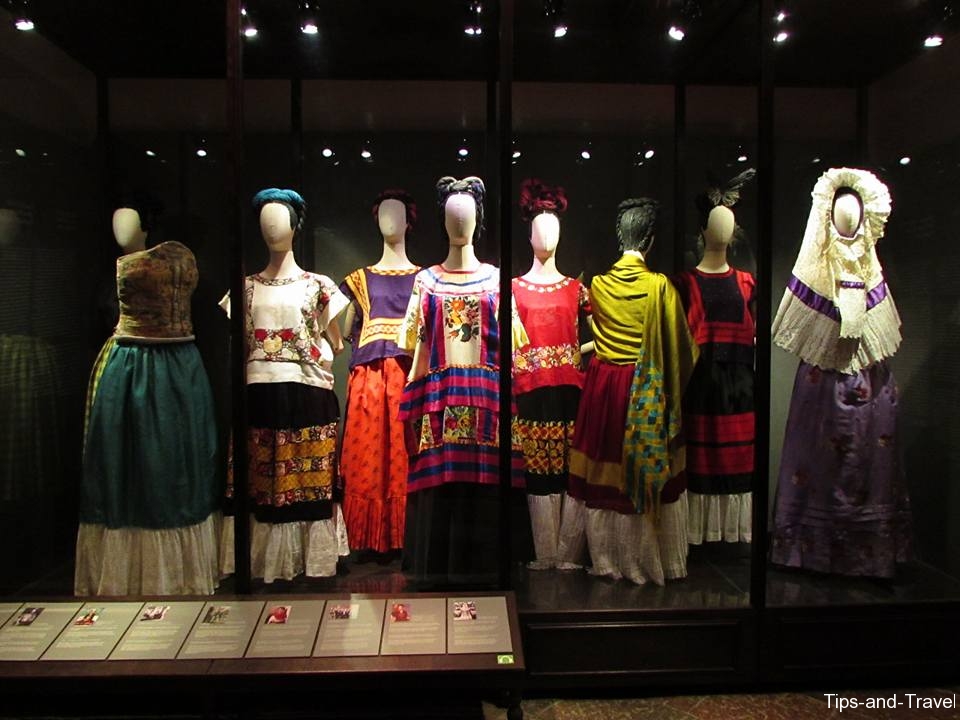
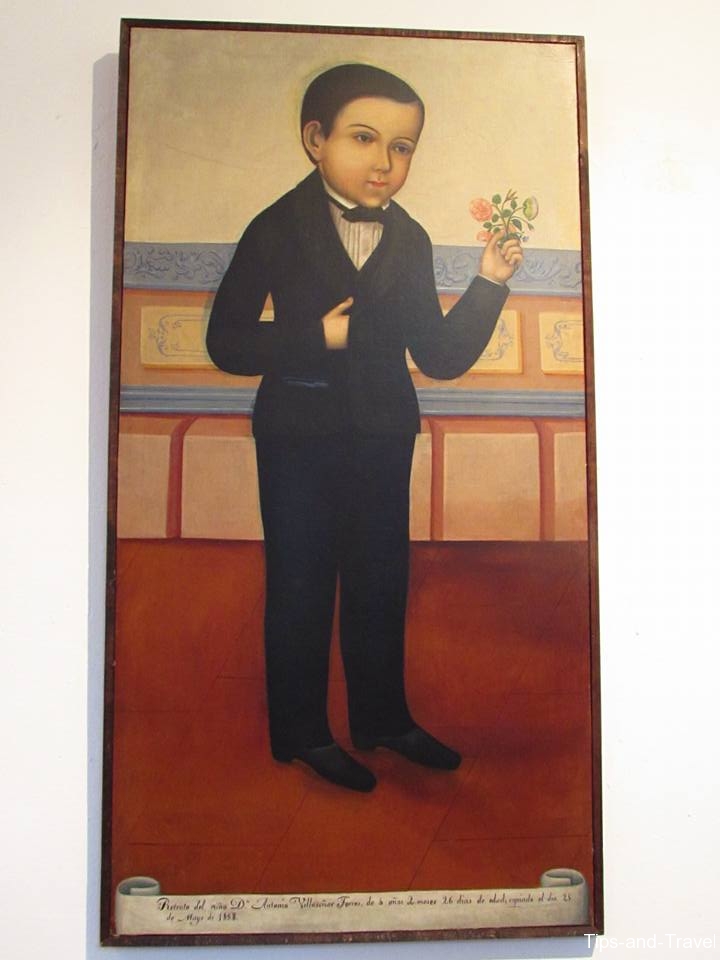
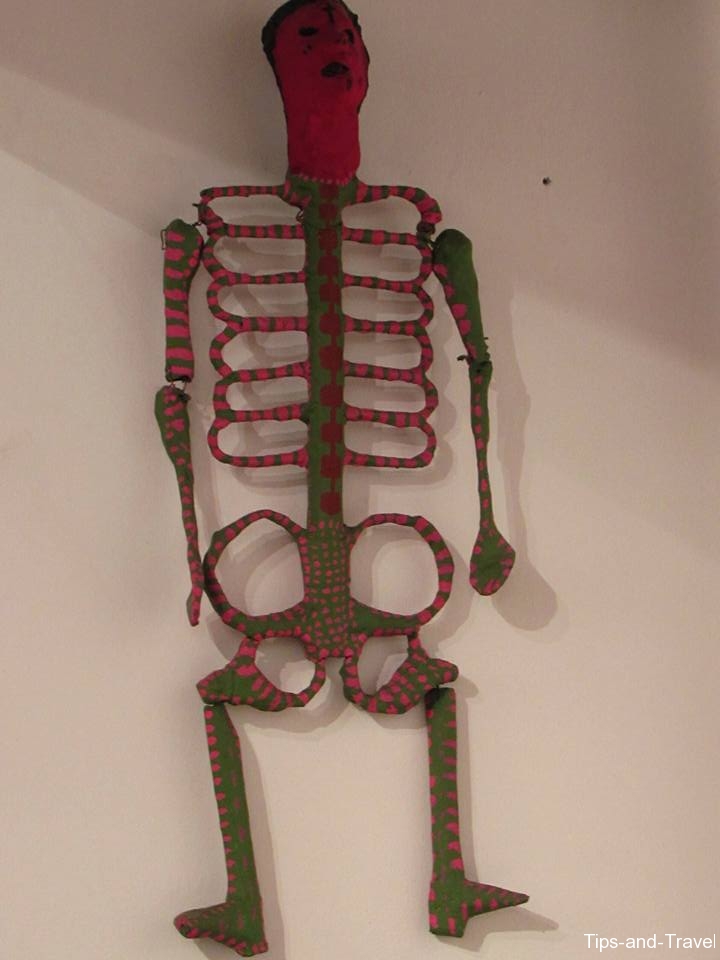
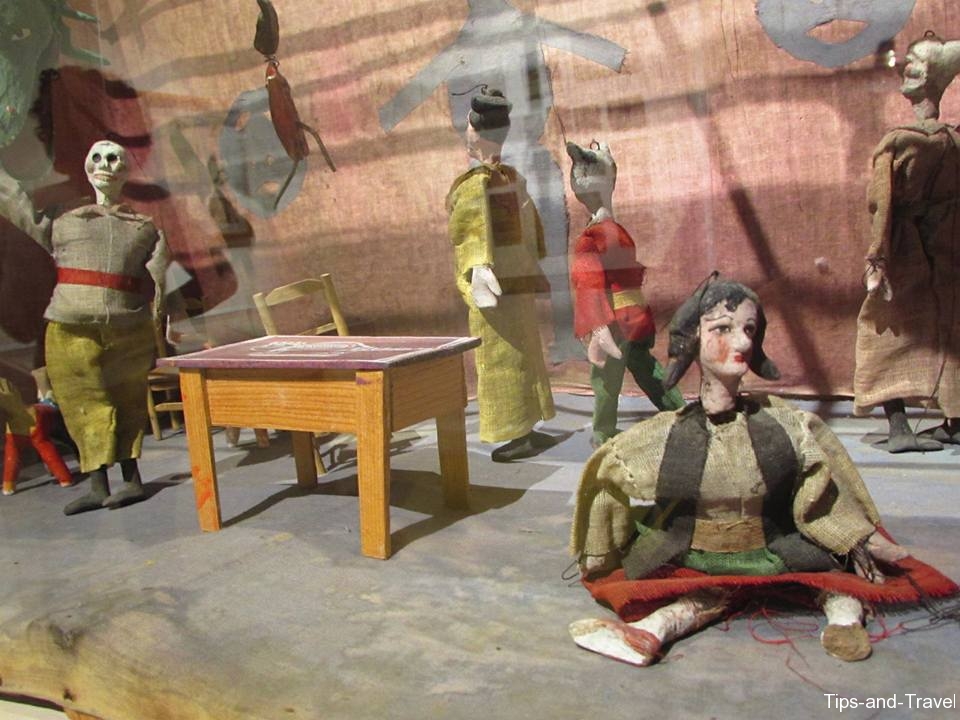
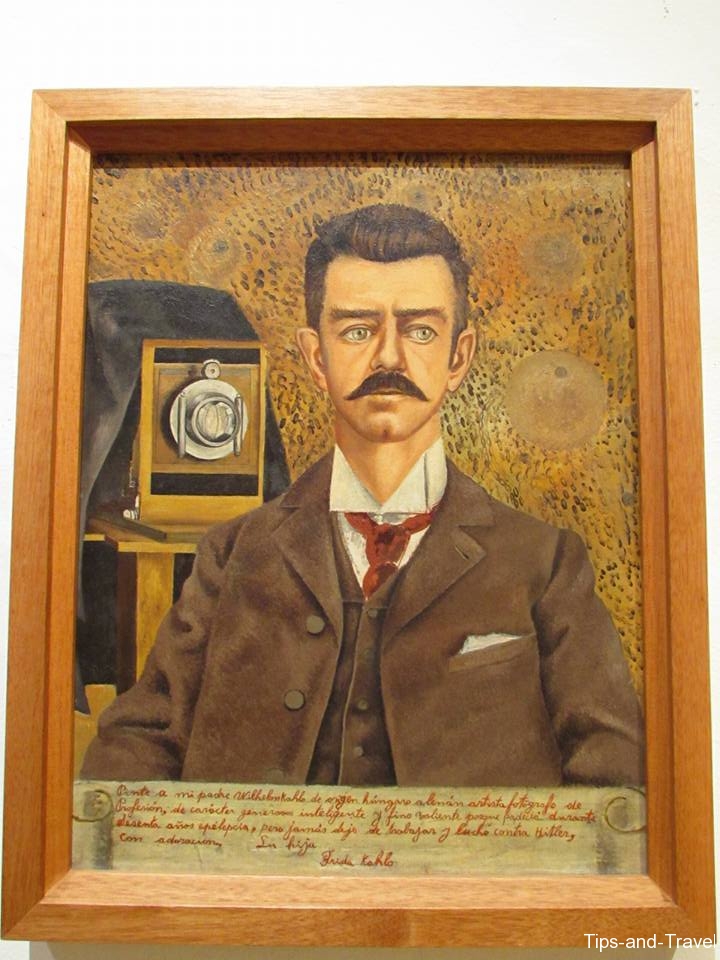
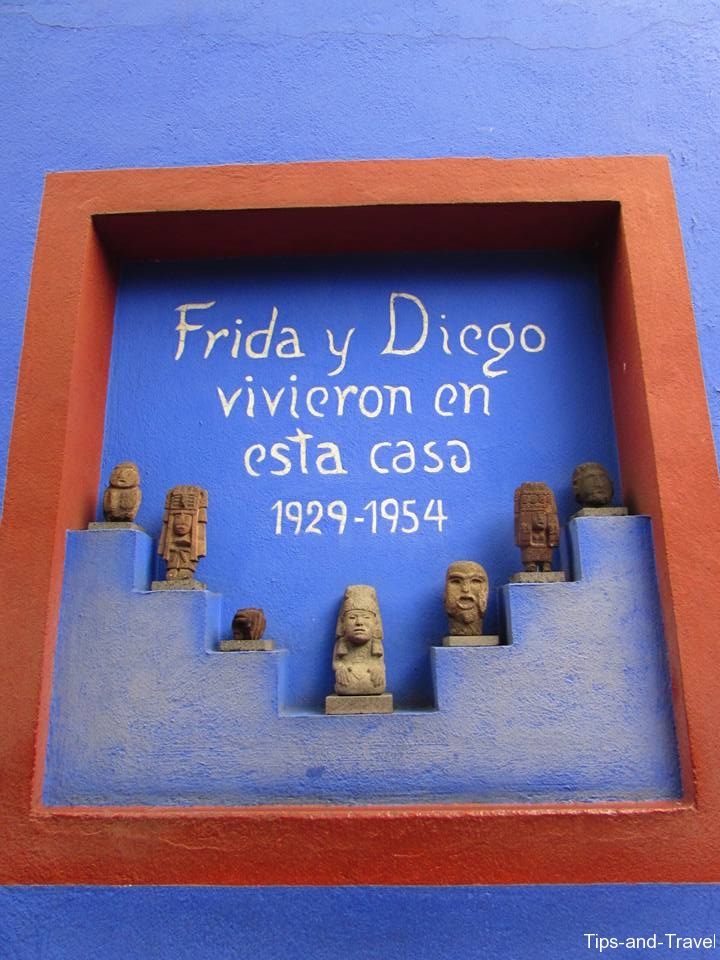
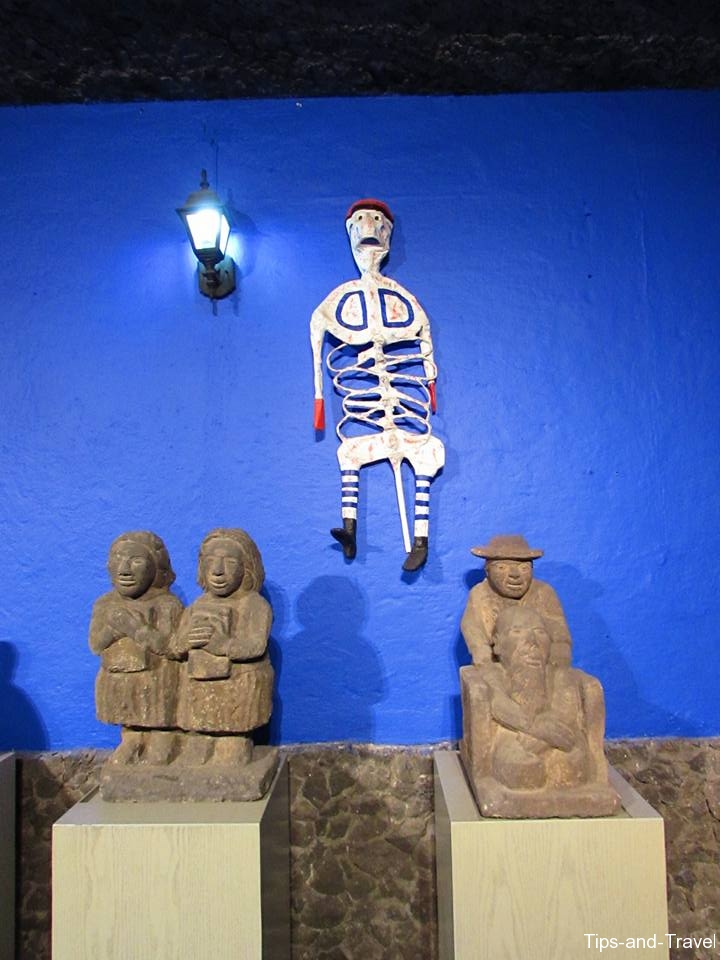
The Frida Kahlo Museum or the Blue House, located at 247 London street in the center of Coyoacan; one of the oldest neighborhoods in Mexico City. The house belonged to the Kahlo family since 1904 and four years after the painter’s death in 1958, was converted into a museum. The rooms show the work of Frida Kahlo and Diego Rivera, as well as the environment in which they lived. Due to a serious accident Frida was immobilized in the column, but that does not stop her to continue painting and you can see the bed day and night bed she used. You can also see her studio, the library, the stove based on wood, their belongings and of course her works. Frida suffered since childhood (polio), the serious accident that left her prostrate, not being able to have children and her husband’s infidelity, moments that marked the pain reflected in her works. Diego Rivera asked Dolores Olmedo at his death and the death of Frida, the house was to be opened as a museum to the public except for a bathroom, which could only be opened fifteen years later. It was opened fifty years later, and they found a lot of pictures, clothes, books, toys and documents so they had to take the neighboring property to introduce these new elements.

Tips

The museum is closed on Mondays. Tickets can be purchased online.
If you want a guided tour you must book in advance. It is in Spanish, but it is possible to ask it in English if the group is 20 people or more.
There is another dramatized visit, made by an actress playing the role of Frida. It generally takes place twice a month.

Mausoleo di Elena, Rome, Italy

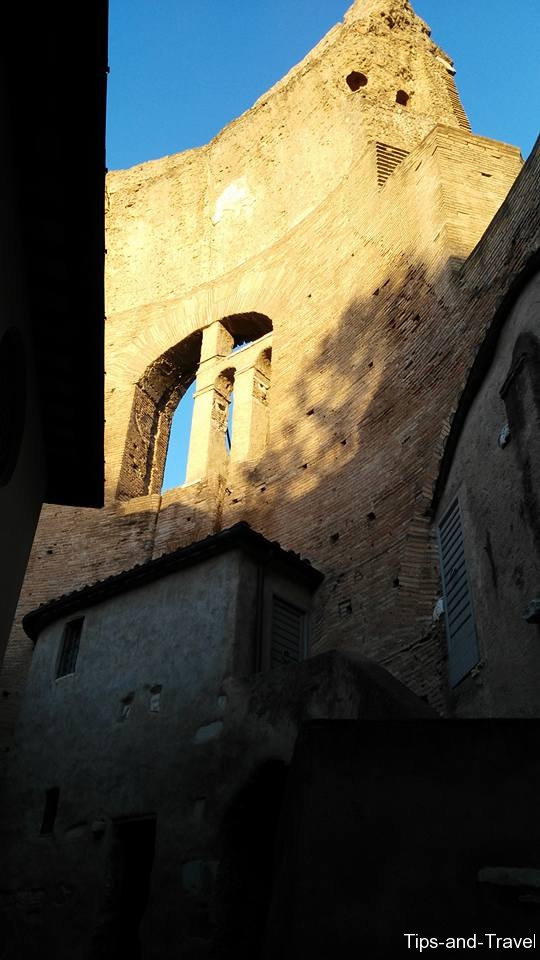
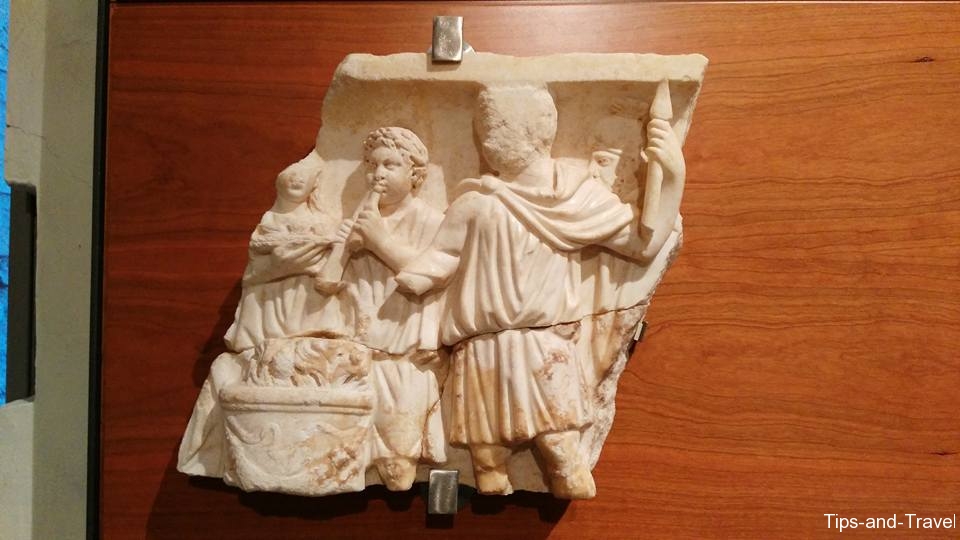
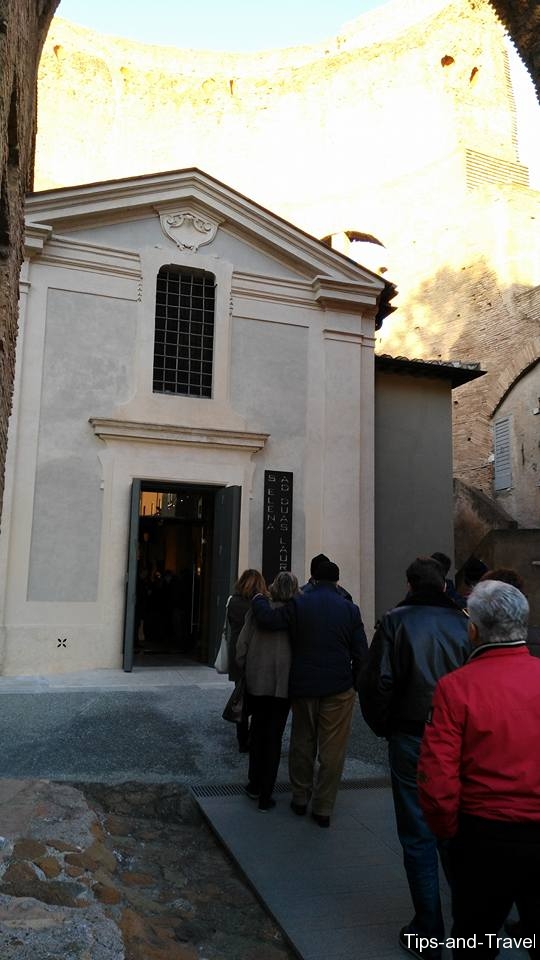
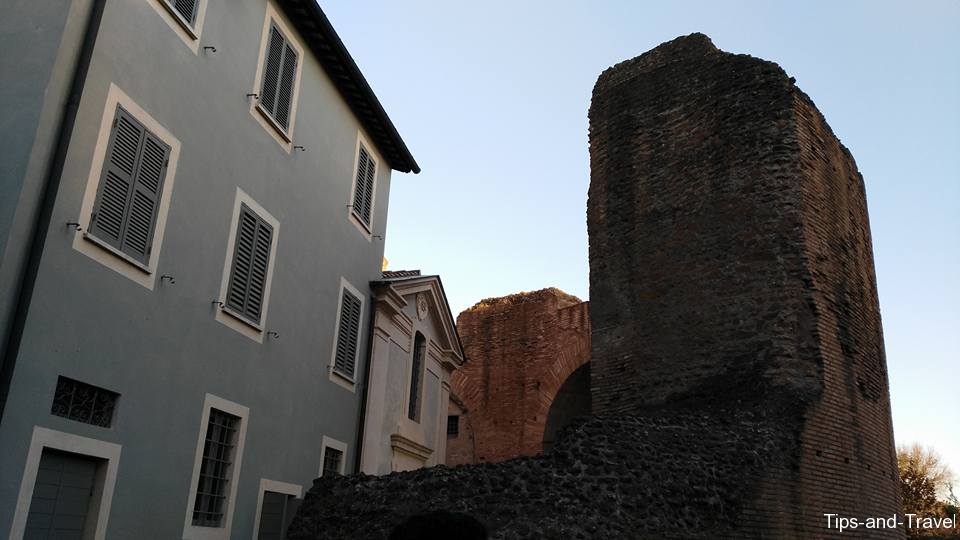
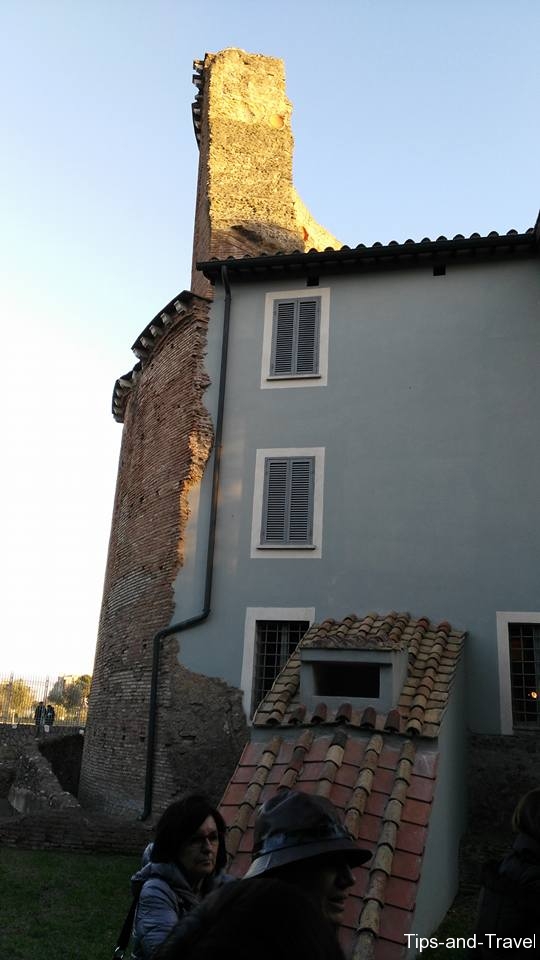
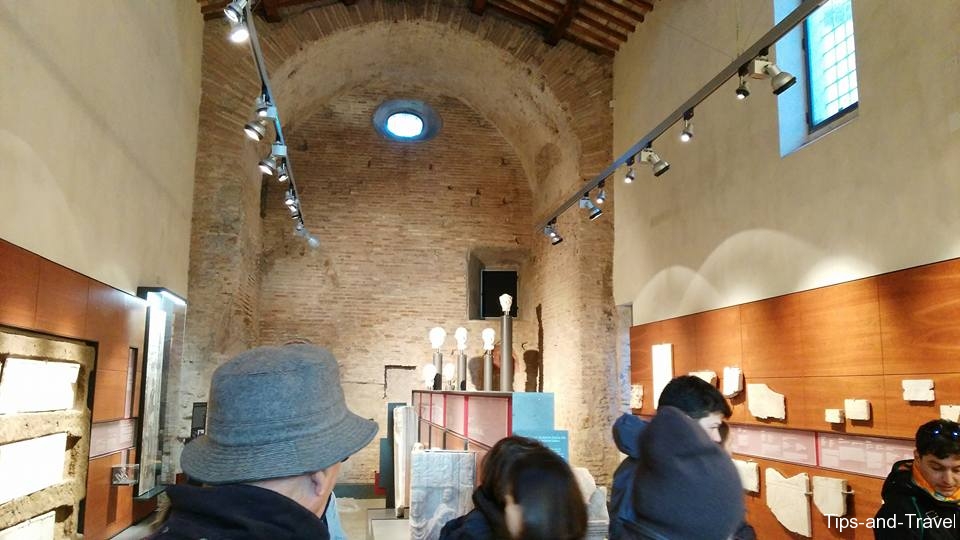
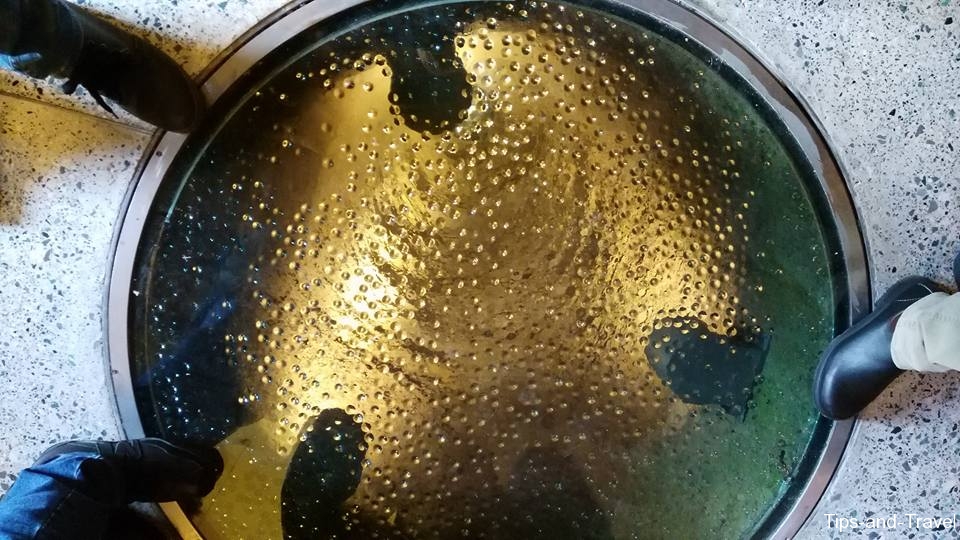
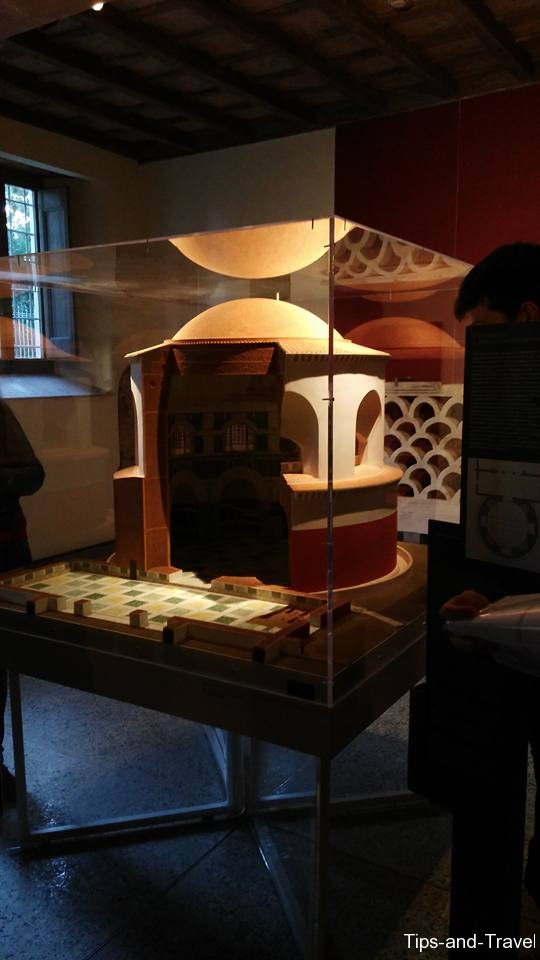
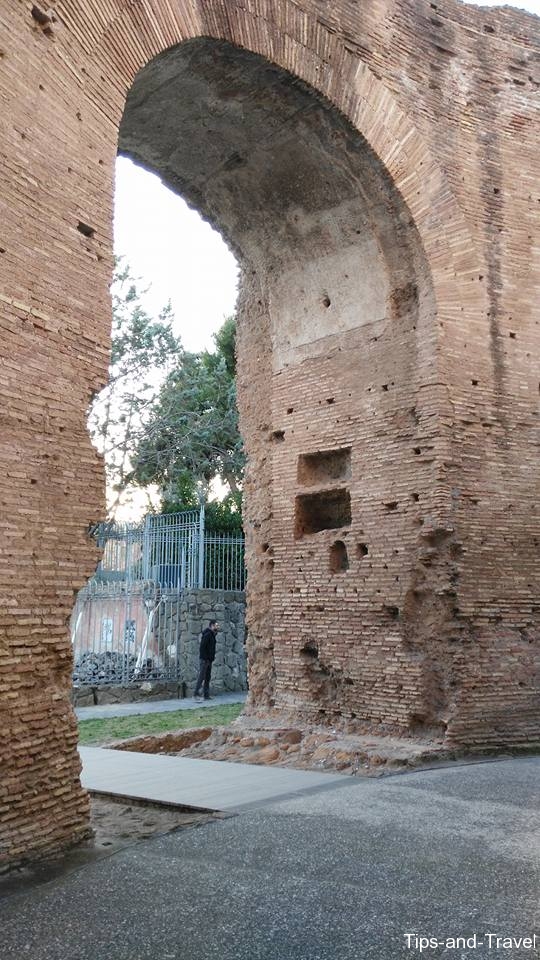
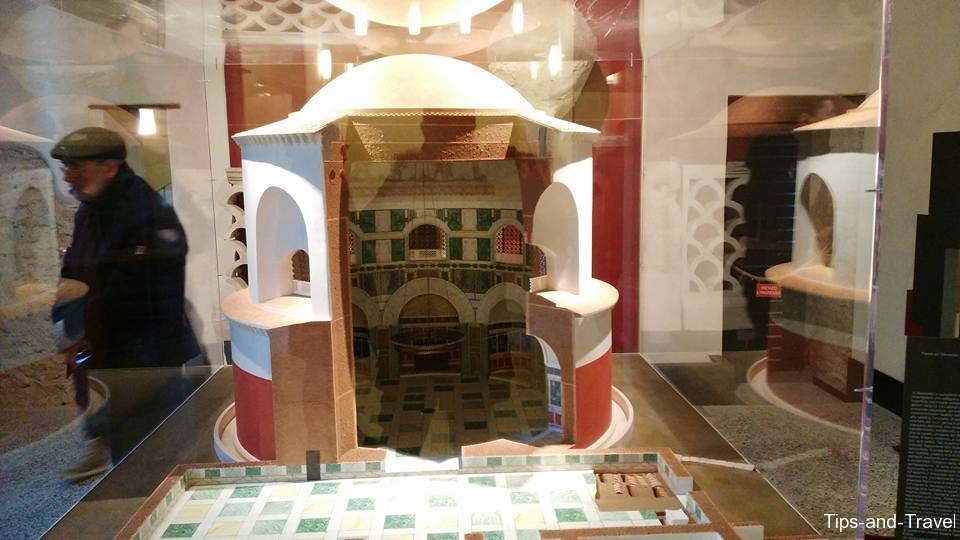
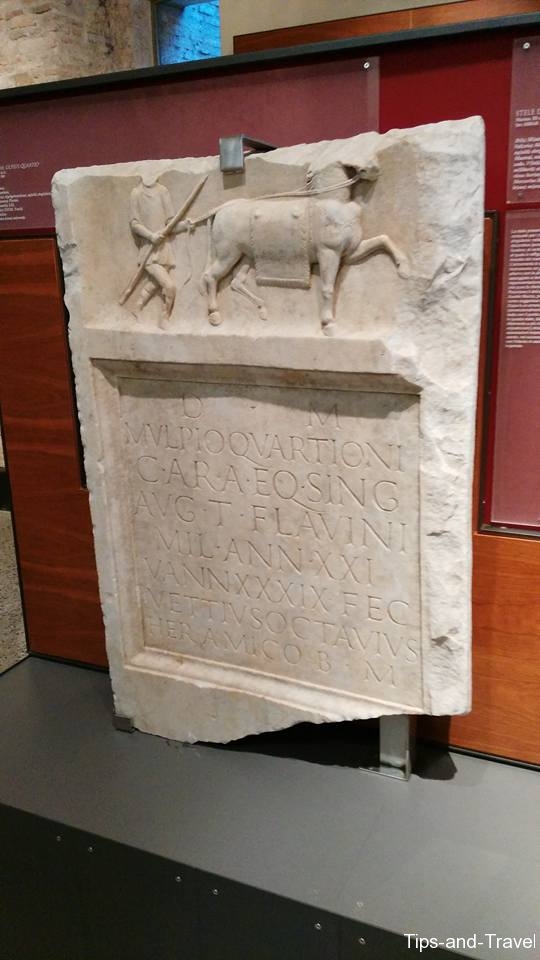
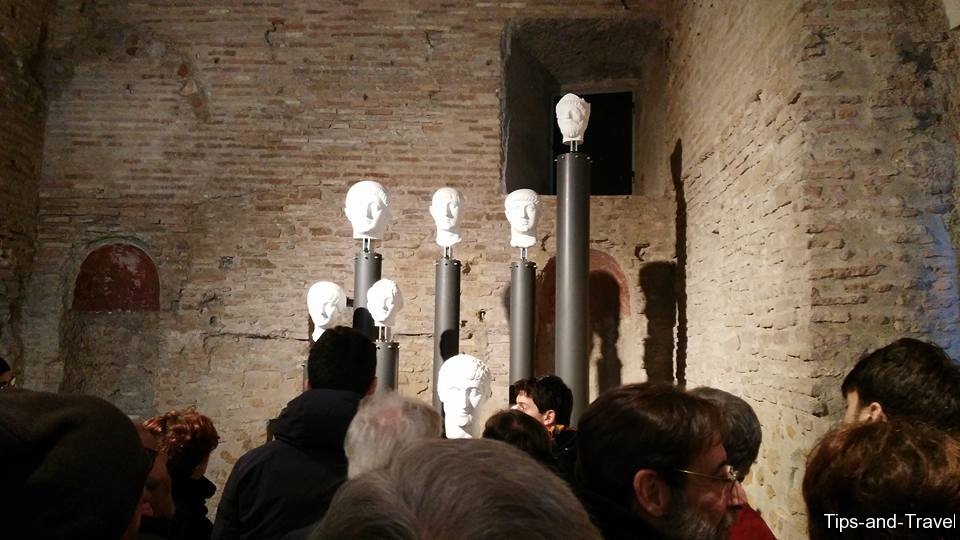
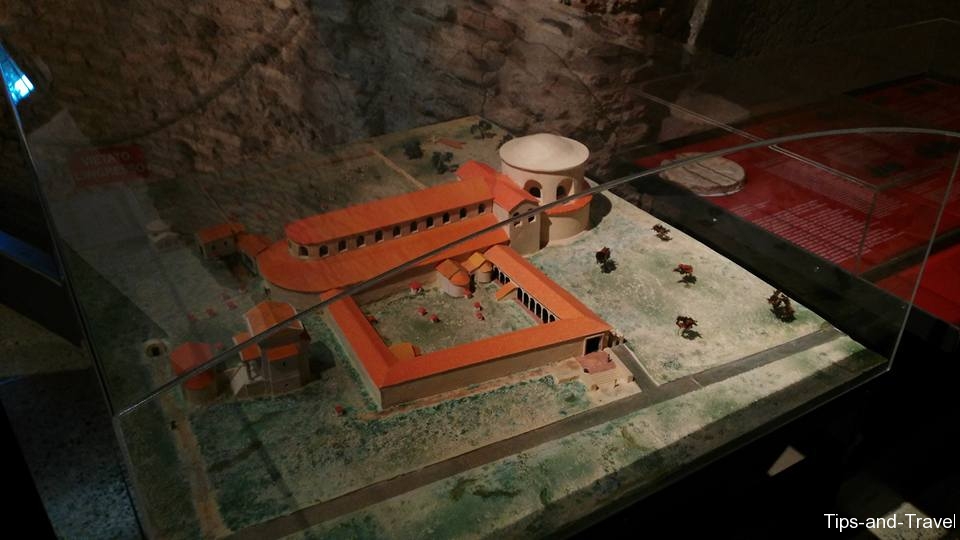
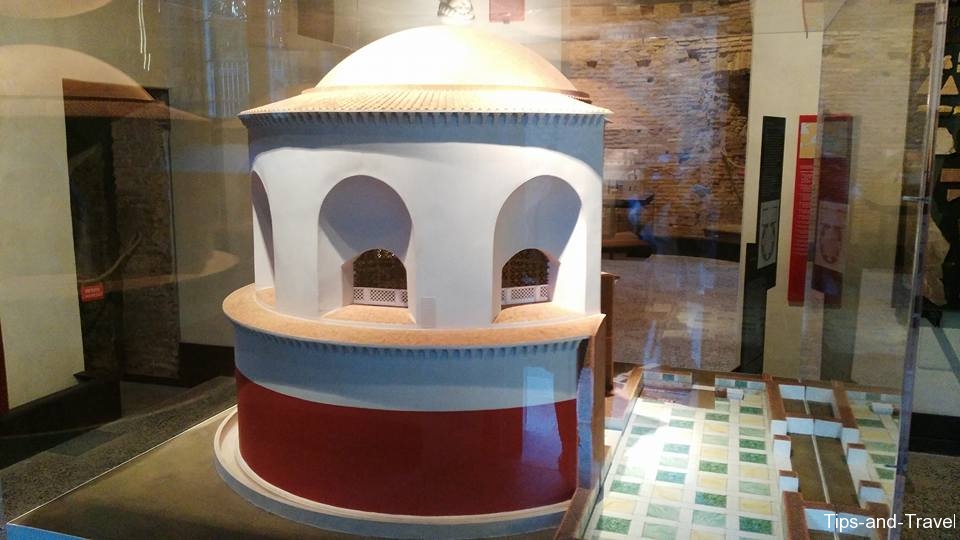
The Mausoleum of Elena is a monument of Roman times, which is along the Via Casilina in Rome and is the third mile of the ancient Via Labicana; part of a complex of historic buildings from the late imperial times. Built between 326 and 330 in the time of Emperor Constantine I, it was supposed to be his own tomb, but it was eventually used for his mother Elena, who died in 328. This area was a cemetery of the Singulares Equites (cavalry corps of the Roman army). The monument has kept the grave of Elena until the eleventh century, when the coffin was carried into the church of the Lateran (now preserved in the Vatican Museums). The original height of the monument was 25 meters, but today it is only 18 meters; it is a building with a circular plan. There is a lower cylinder of octagonal shape with recesses; one of which was the entrance, and an upper cylinder, smaller, with eight arched windows and a dome that to lighten its weight, empty amphoraes were included in the construction(in Italian ‘Pignatte’) now visible due to the collapse of time and this is why it is called Tor Pignattara (meaning Tower of amphoraes) and the surrounding area is also known under this name.

Tips

You can get to the mausoleum by the street of San Marcellino (adjacent to the church of Saint Peter and Marcellinus in Duas Lauros).