Staggia Castle, Siena, Italy

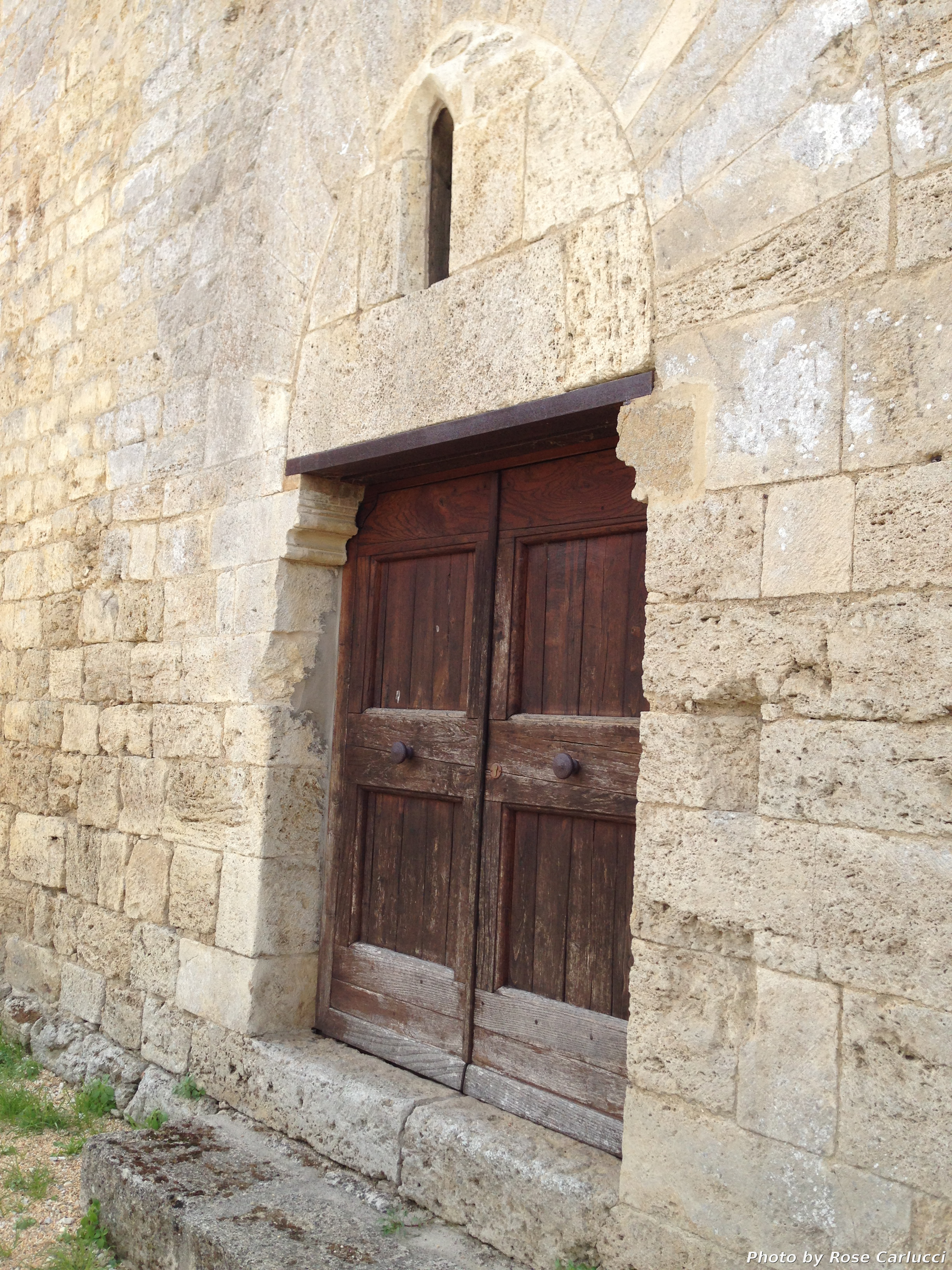
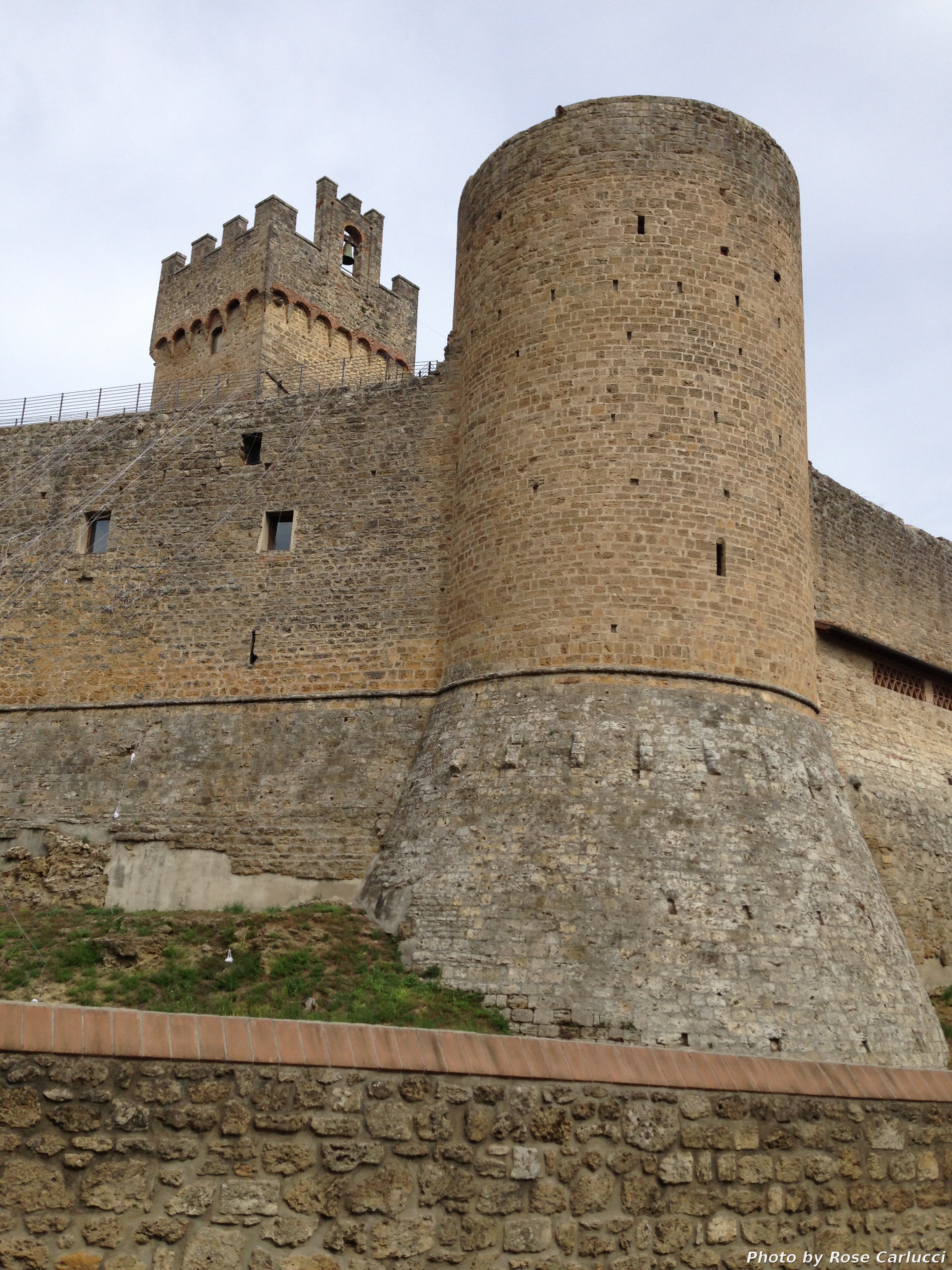
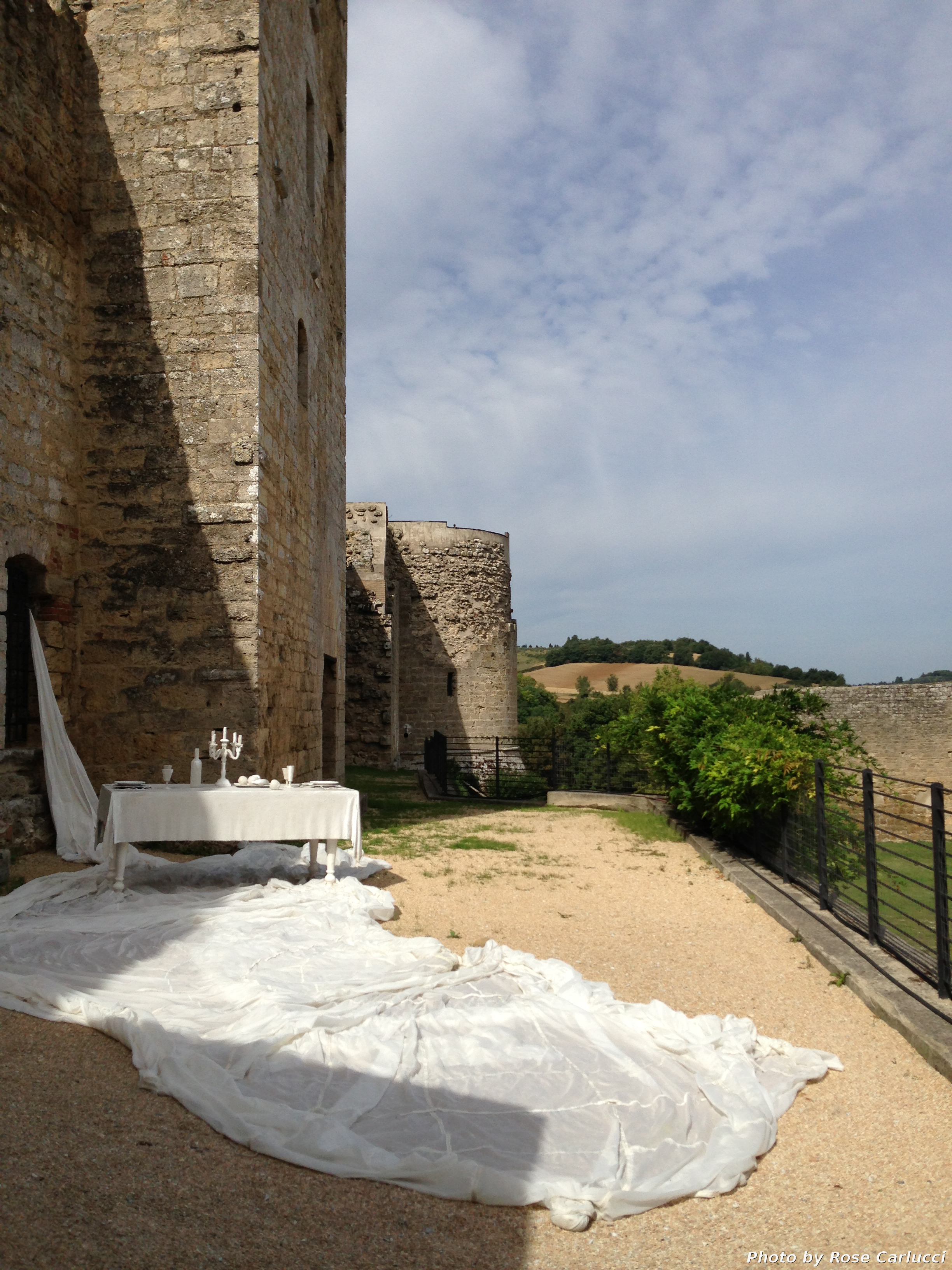
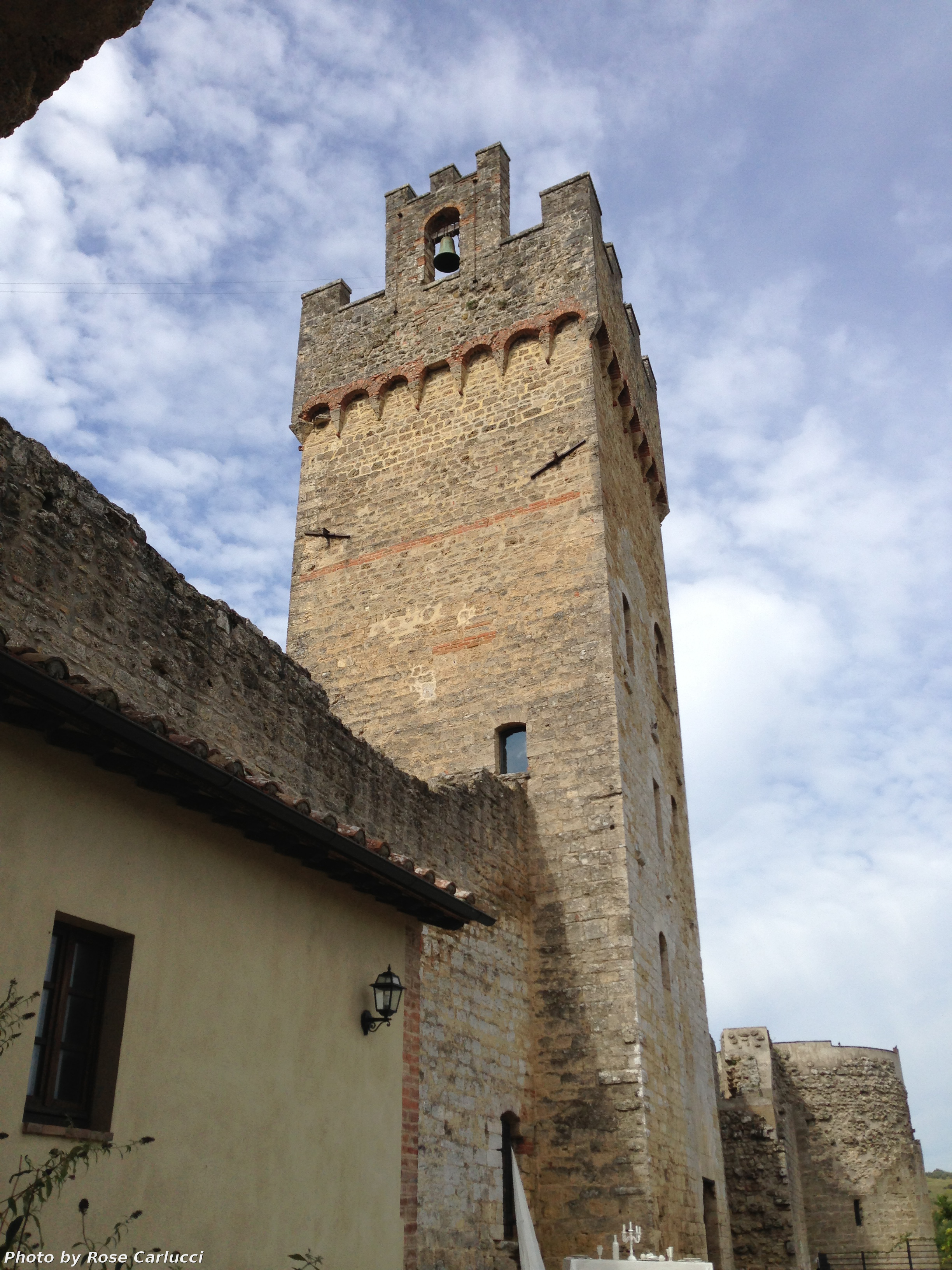
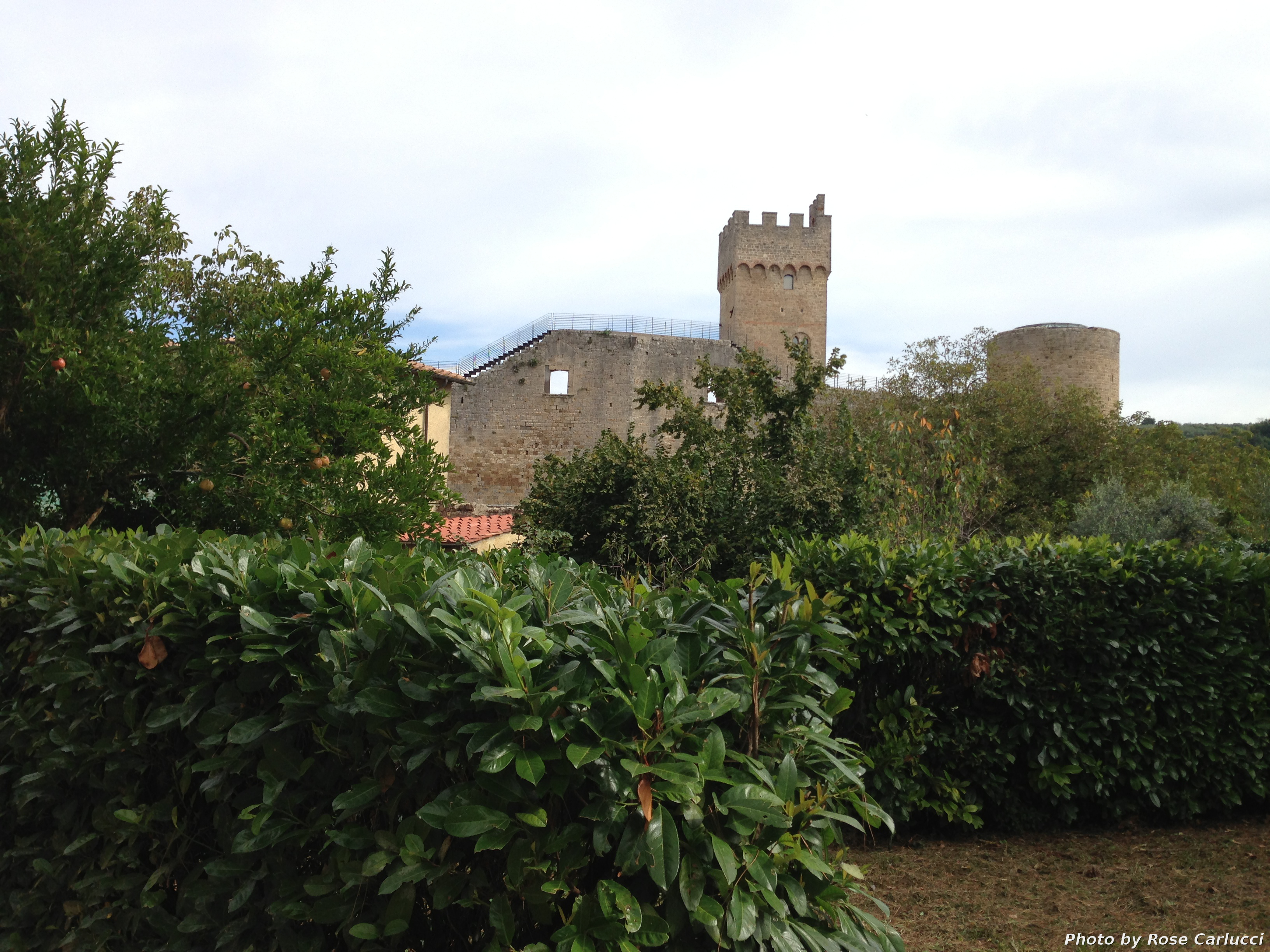
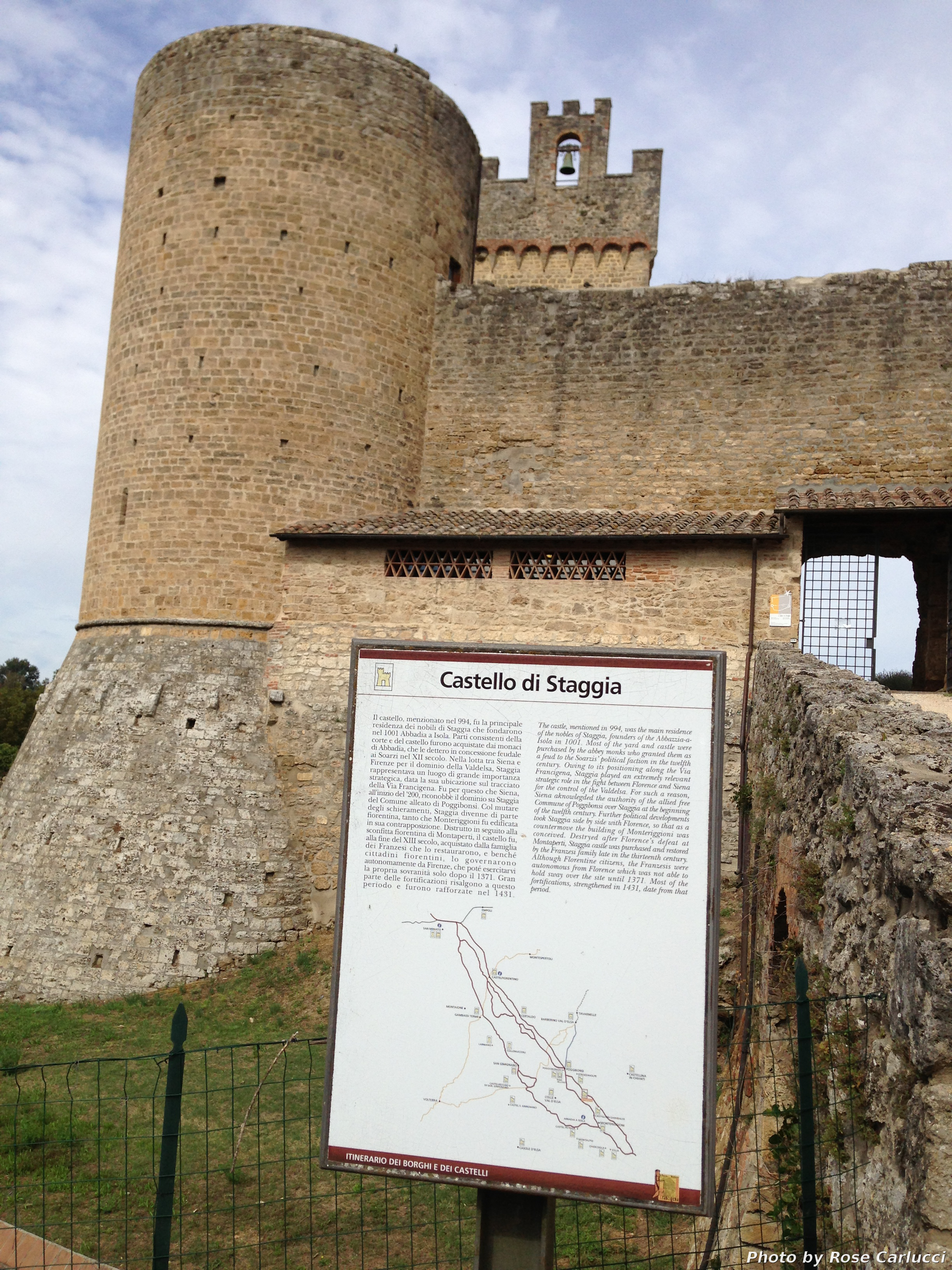
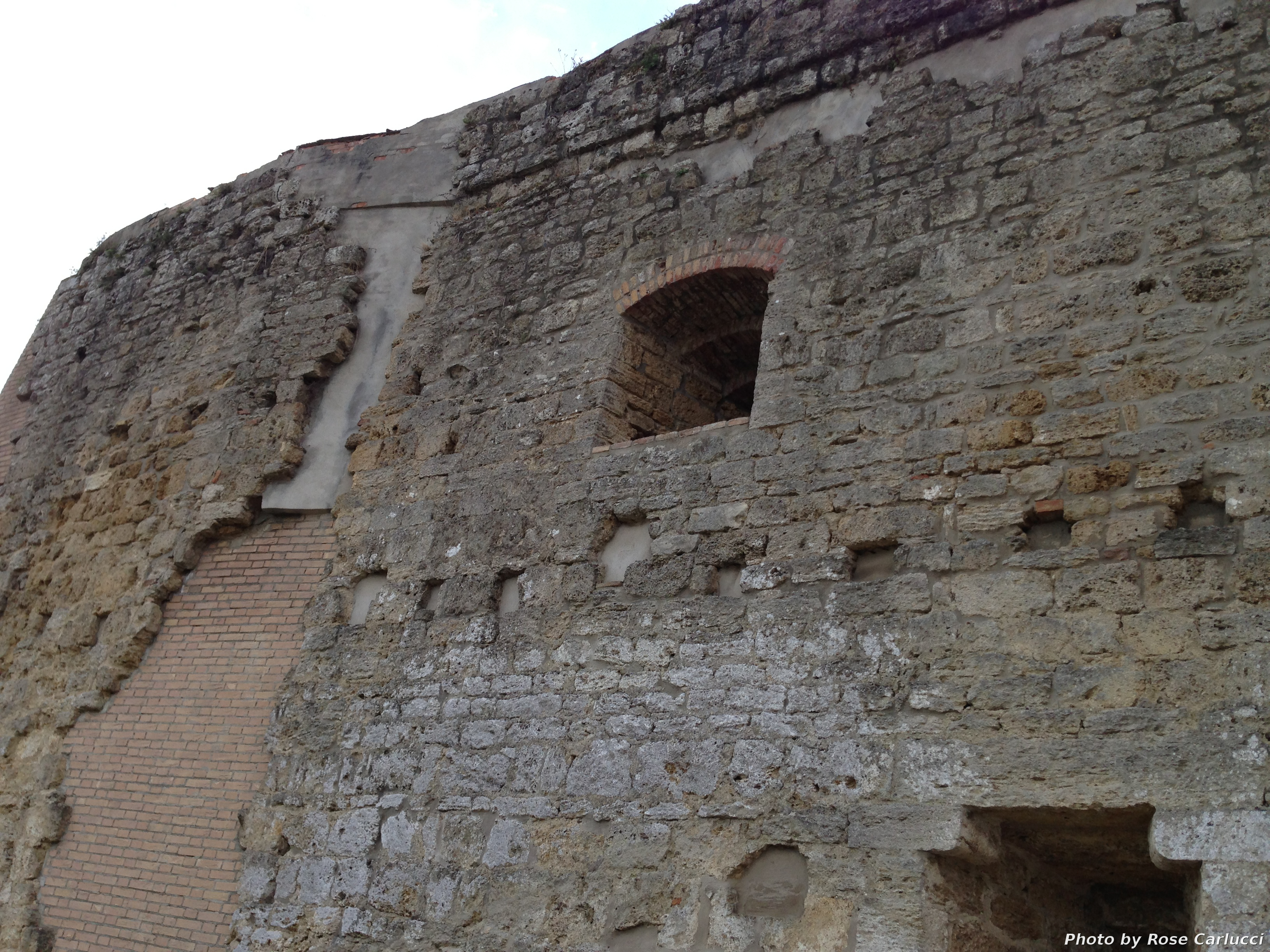
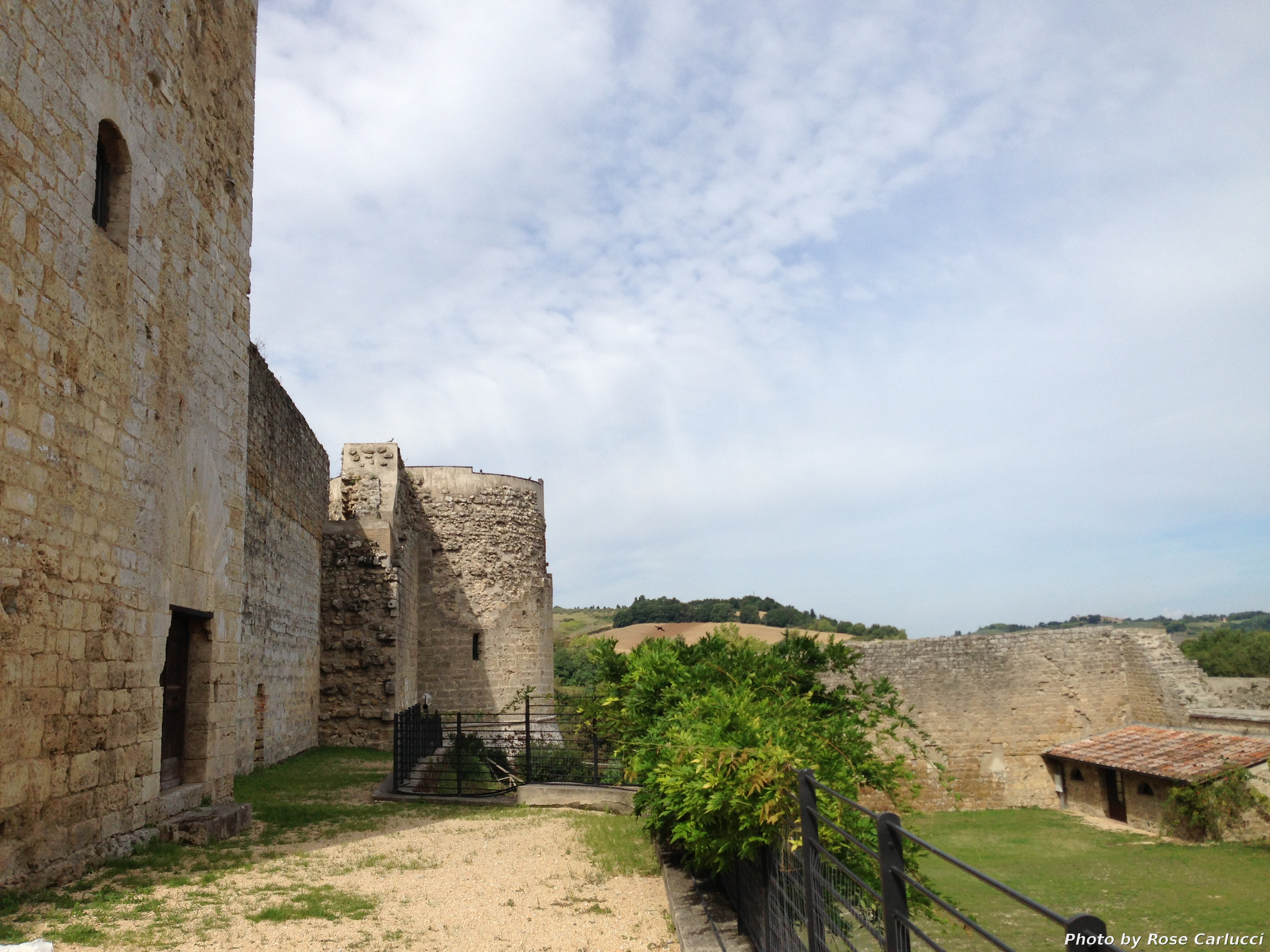
The castle of Staggia Senese or French is located in the homonymous hamlet of Poggibonsi in the province of Siena. The first news of this fortified village are from 994. The Lords of Staggia (the Soarzi) later became one of the most powerful feudal gangs of Valdelsa, being several times in battles between Florence and Siena, cause their territory was located on the border between the two rivals. The period of greatest splendour of the castle was the twelfth century, while in the next century, when the village began to develop at the foot of the Castle thanks to the variations of the Francigena (streets leading from Central Europe, notably from France, to Rome); this splendour declined gradually. At the end of the century the French, family that had enriched with trade especially with France (that’s the reason of their name), bought the castle, enlarging and restructuring it. Some centuries later, with the introduction of fire arms and with the conquest of Siena (1555), fortresses became unused. The walls are well preserved today and are interspersed with towers of various shapes (rectangular, polygonal). We can also see some of them reinforced by stone arches. Only two doors remain of the three original ones. Now the castle is private and is managed by the “Rocca di Staggia Foundation”. The castle of Staggia is open to the public 365 days a year.

Tips

The visit of the castle can be done individually, there is a guide and the visit lasts about one hour. The cost is 5.00 euro. There is no need to book and you do not have to be in a group.
The castle is used for making different events. It is possible to rent it for personal events (wedding, birthday, etc.) or with commercial purpose.
If you want to make other excursions in the region of Tuscany, it is possible to do it with the help of the Rocca di Staggia Foundation. Its office is located at the entrance of the castle.


The Colosseum, Rome, Italy

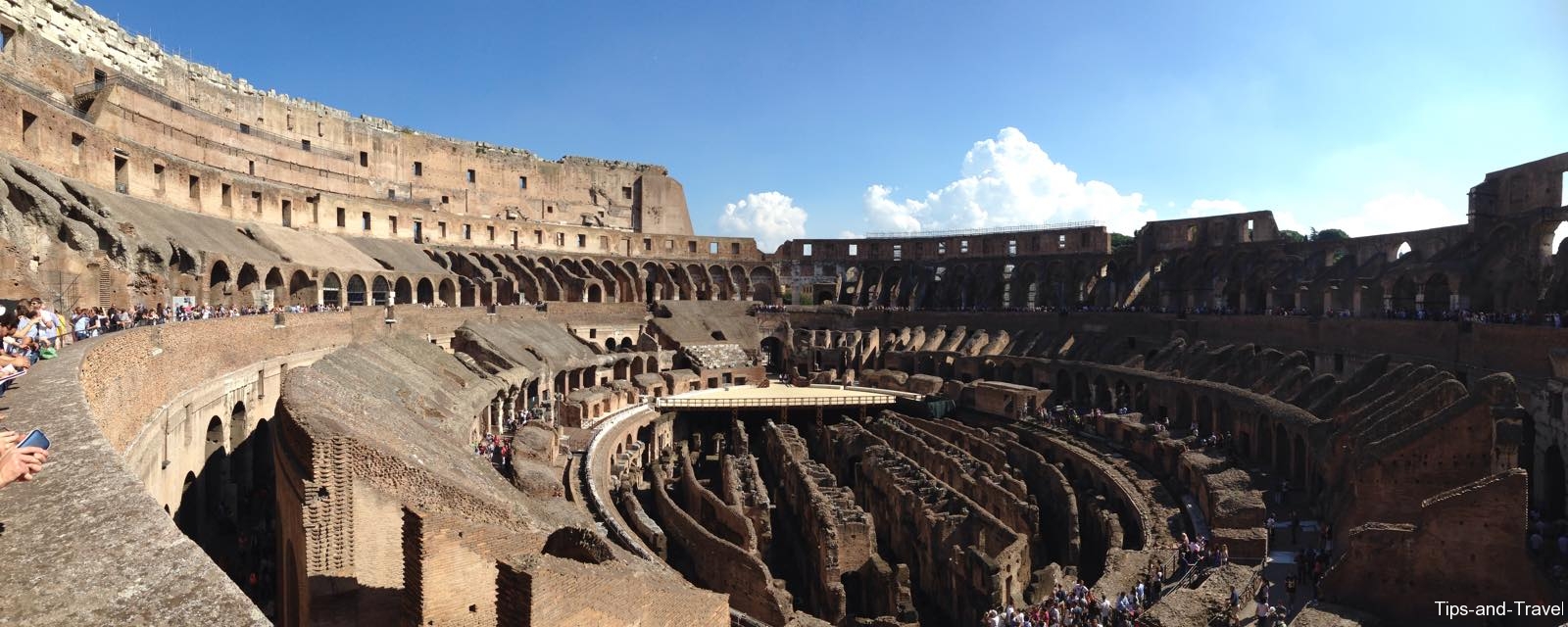
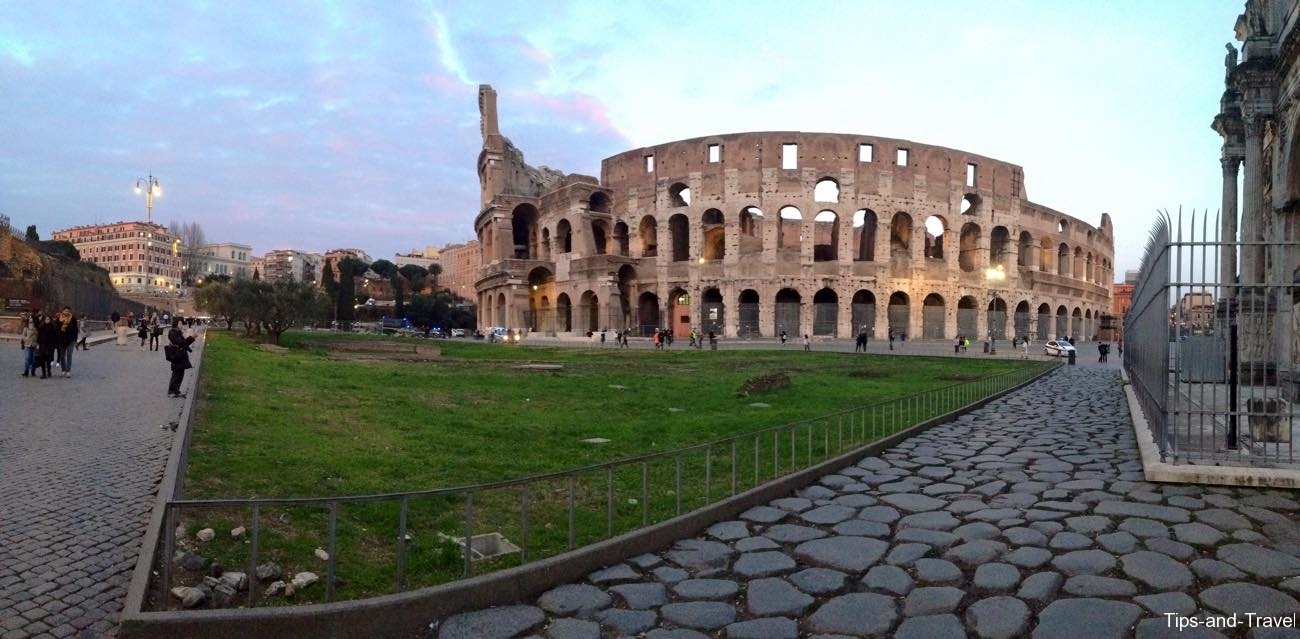
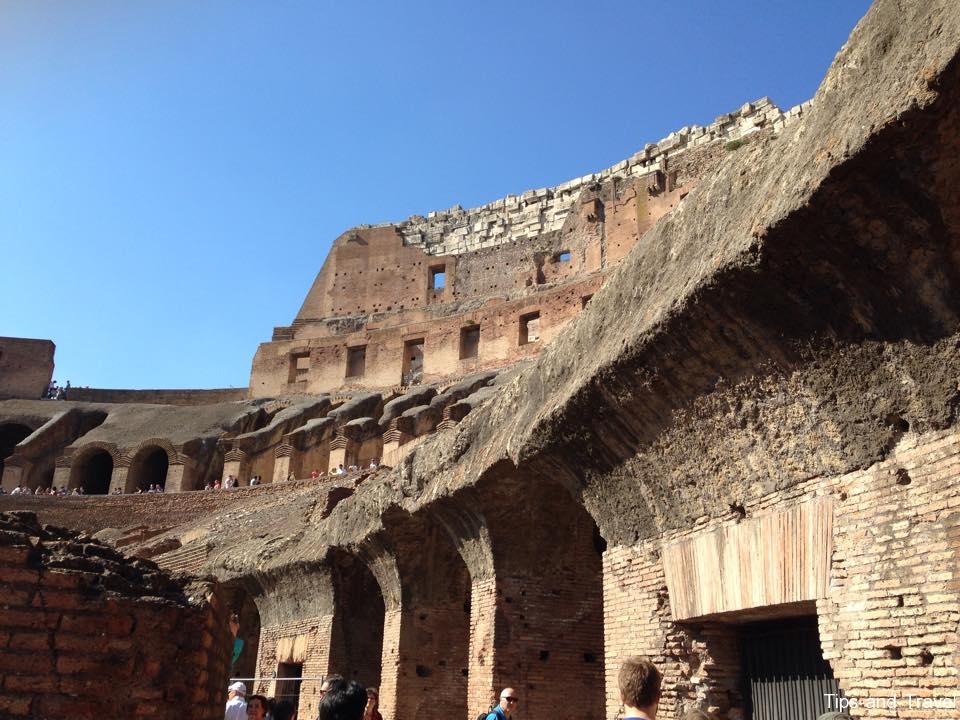
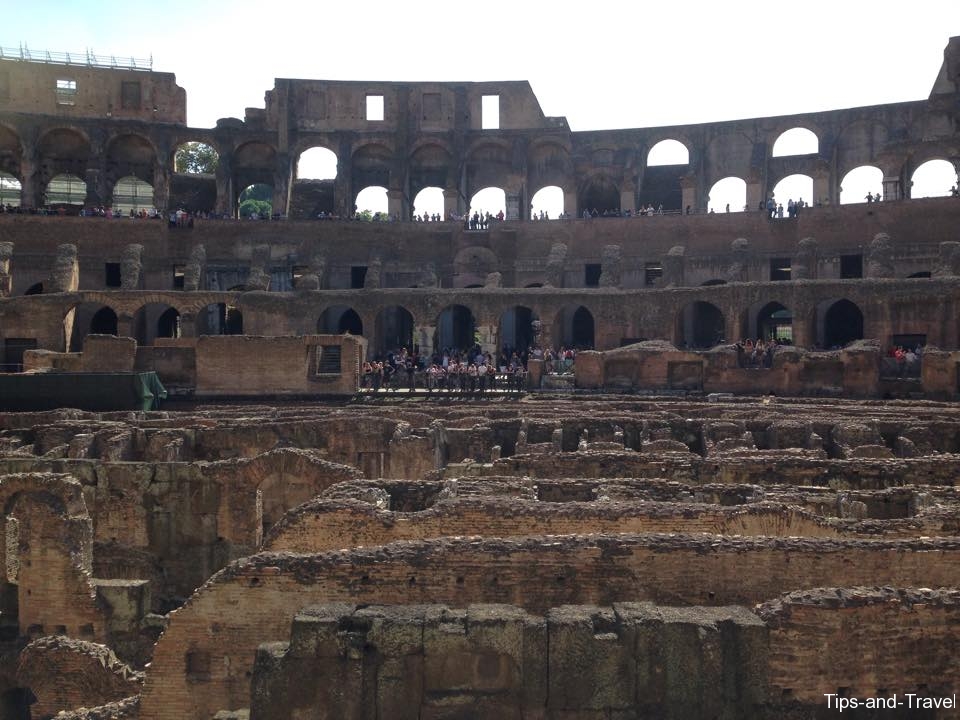
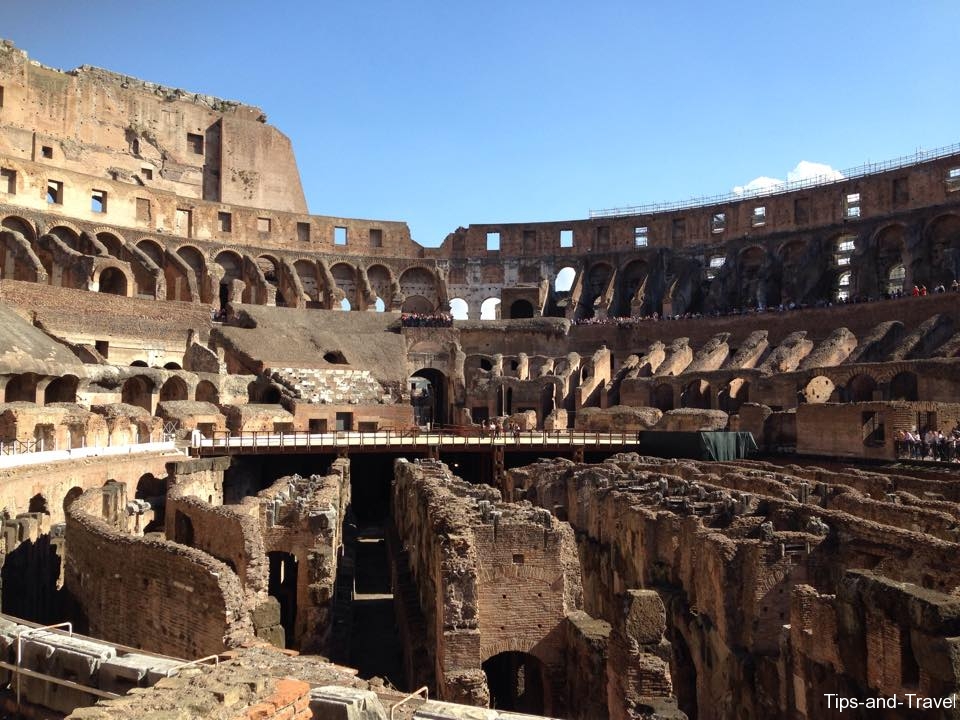
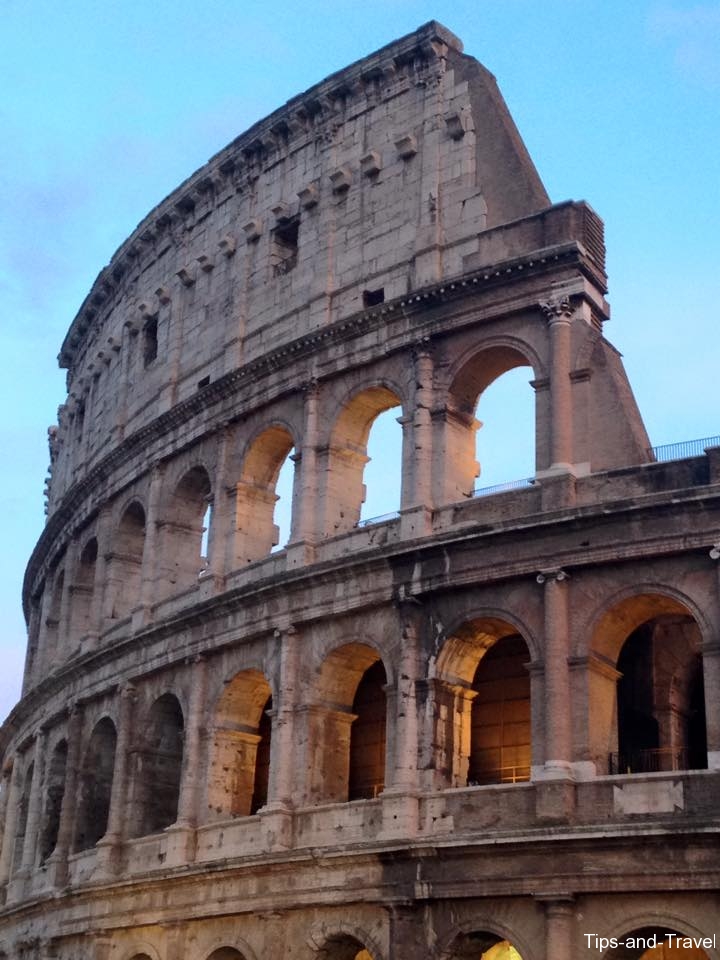
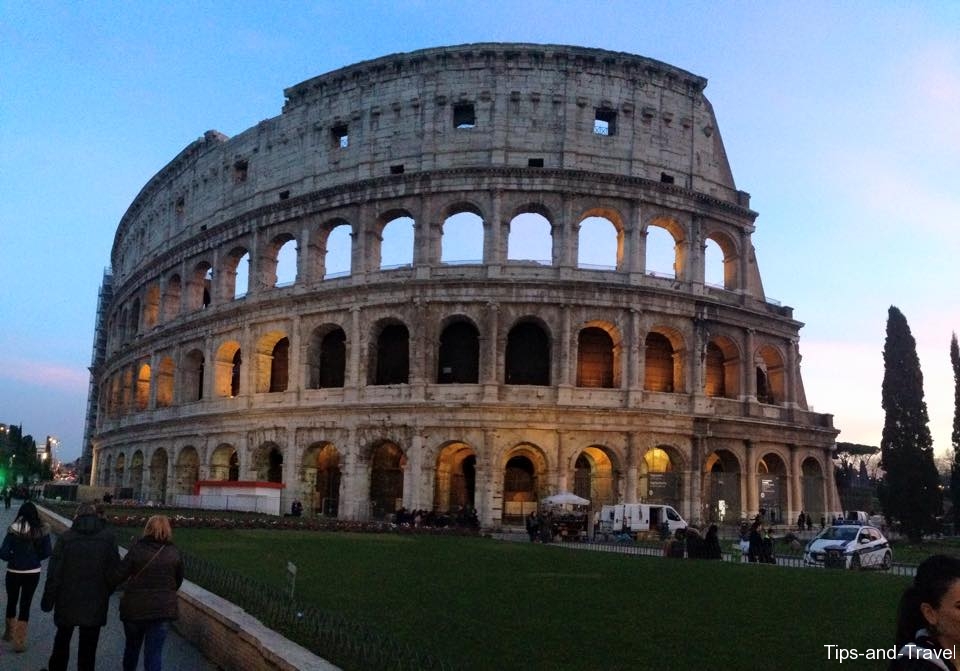
The Colosseum or Flavian Amphitheatre in origin, is a huge oval amphitheater in the center of the city of Rome, between the Esquiline and Celio, the largest ever built in the empire; one of the greatest works of Roman architecture. It was built between 70 and 80 AD. JC. He was used to fighting wildlife, gladiatorial combats, death row executions, re-enactments of famous battles and dramas based on Classical mythology, which could accommodate between 50,000 and 75,000 spectators. It stopped being used in the early Middle Ages but it had other uses such as housing, artisan workshops, the seat of a religious order, a fortress, a quarry and a Christian Catholic shrine. Schools of gladiators and other outbuildings were built nearby. He suffered several earthquakes that caused the partial destruction of some walls and its stones were reused to build other buildings like churches or palaces. The surviving part of the outer wall of the monumental façade consists of three levels of overlapping arches topped by a platform on which there is an attic with tall windows at regular intervals and there are also 31 arches of the outer ring which has remained intact. Each level has 80 arches framed by half-columns and the attic is decorated with pilasters. The arena measures 83 × 48 m and its floor was covered with sand wood which avoided fighters to slip easily absorbed bloodshed and could be quickly replaced.
Tips

The first Sunday of each month, the entrance is free.

The ticket includes admission to the Colosseum, the Roman Forum and the Palatine. It is valid for 2 days.

The price is reduced for people in the European Union between 18 and 24, and for EU teachers.

Colossus of St. Charles Borromeo, Arona, Italy

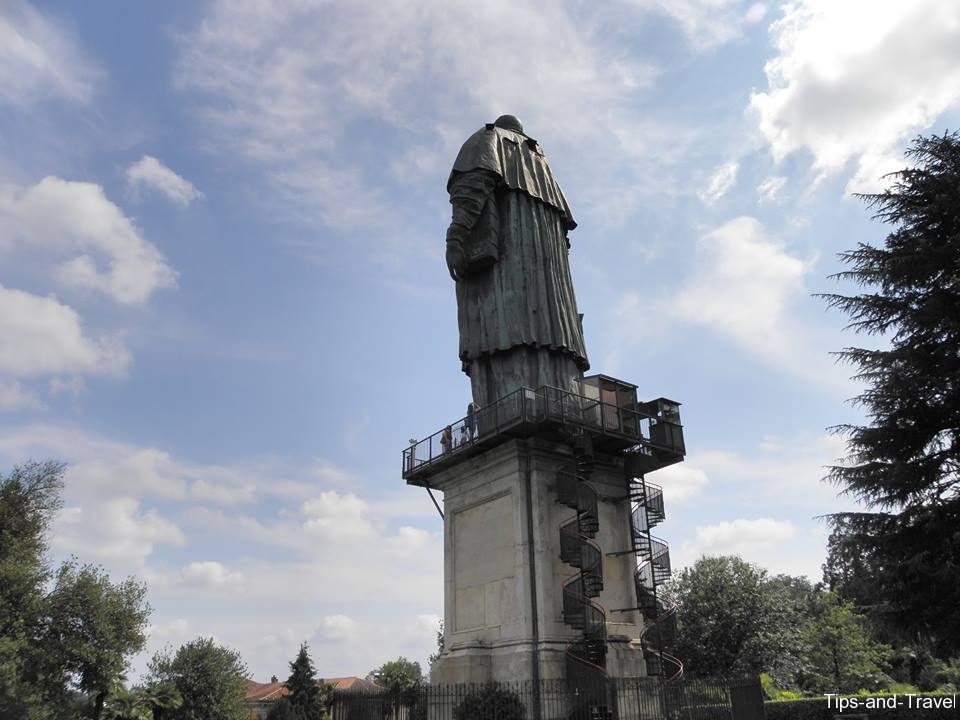
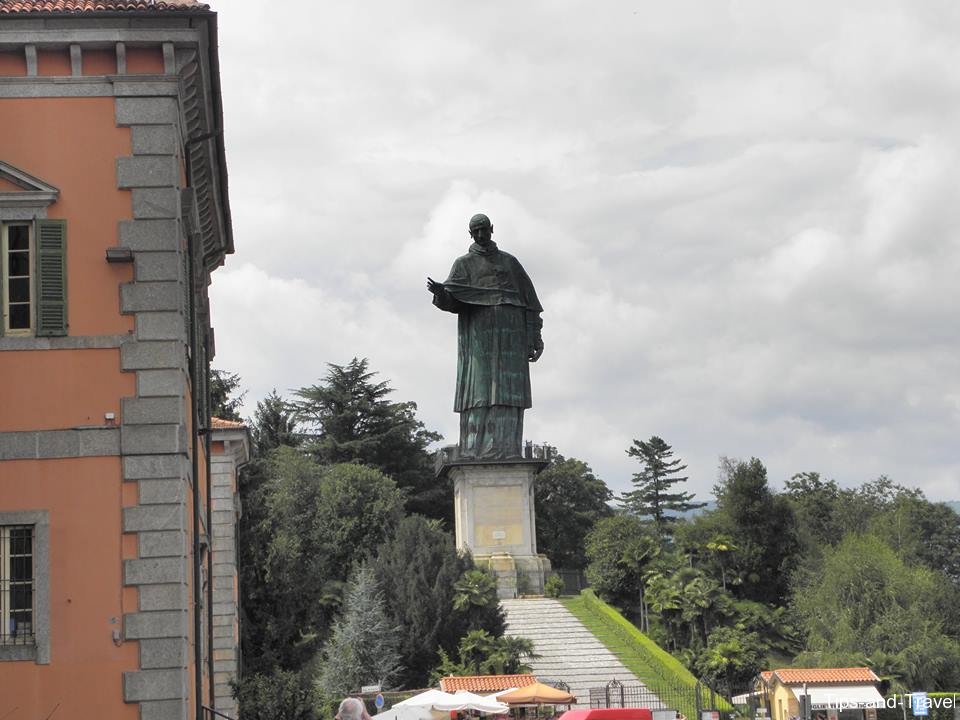
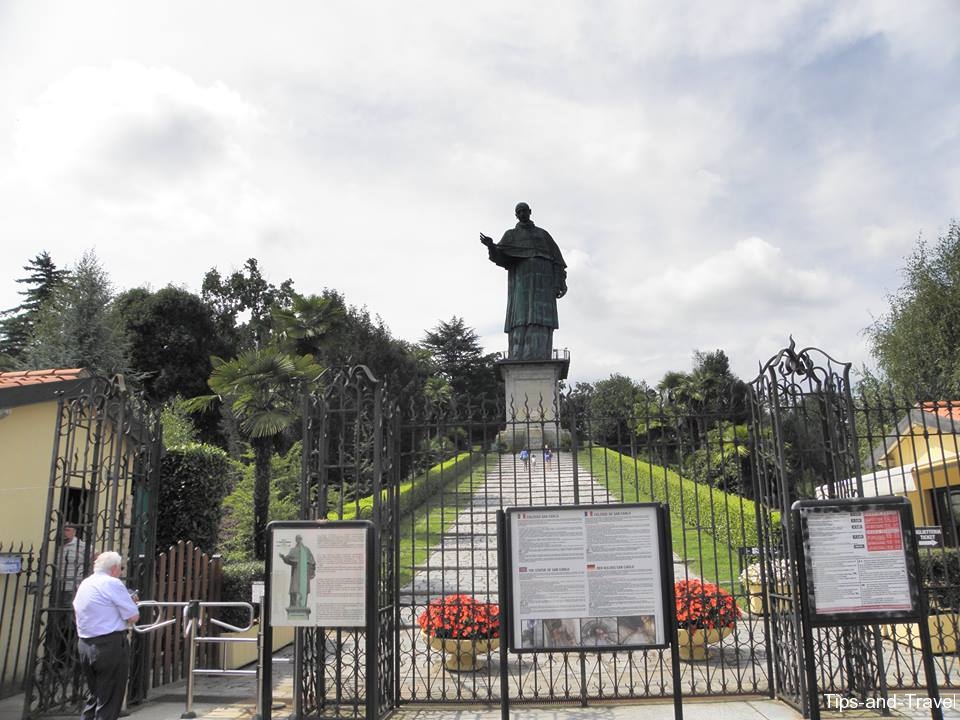
The Colossus of St. Charles Borromeo (said Sancarlone) is a statue of over 30 meters high located in Arona on the Sacro Monte of San Carlo, considered a symbol of the city. San Carlo Borromeo was born on October, 2nd, 1538 in Rocca di Arona and in 1565 he became archbishop of Milan and he gave material and spiritual assistance especially during calamities such as famine and plague. He died in 1584 and was beatified in 1602 and canonized in 1610. In 1624 the works for the construction of a sacred hill and also a huge statue visible from Lake Maggiore which celebrates the memory of the saint, were started. It was designed by Giovanni Battista Crespi and was built with copper sheets hammered and assembled with nails and iron rods while the head and hands were made of bronze; being Bernardo Falconi of Bissone and Siro Zanella of Pavia, the sculptors. In 1698 it was finished and blessed. The statue is 23.40 meters tall, but it has a granite pedestal of 11.70 meters which make it one of the largest statues in the world and the monument can be visited inside. With this statue they wanted to represent the “gigantism in faith.”

Tips

The statue is open to the public, you can climb through a first spiral staircase and then another right as a stepladder to get inside the head of St. Charles. You can pay general access to get to the foot of the statue and enjoy a beautiful panoramic view that it is really worth or add a few euros to go up to the interior top. For children under 6 it’s free.
From Milan you can reach Arona by train on the Milan-Domodossola line.
If you have to wait a few hours to catch a plane, it is a good opportunity to go to know the statue because Malpensa airport is located only 23 km from Arona.