Galerías Pacífico, Buenos Aires, Argentina

Galerías Pacífico is one of the largest and most traditional shopping centers in Buenos Aires. This is the most frequented by tourists, the shopping center is home to the prestigious international brands, has a major restoration and the prestigious Borges Cultural Centre is located in an area of the building. It occupies an entire block and the streets surrounding it are Florida, Córdoba, San Martin and Viamonte. The building was built in 1881 as a commercial place to a shop by departments ‘Au bon Marché’, at this time, one of the most important in the Argentinian capital, it welcomed since 1896 the Museum of fine arts, today located in another place. In the year 1908 a part of the building was sold to the Buenos Aires Pacific Railway, from whom it took its current name. The emblem of the Galerías Pacífico was established in 1945 and at the same time they built the magnificent Dome with murals of the prestigious masters, Antonio Berni, Lino Spilimbergo, Juan Carlos Castagnino, Demetrio Urruchúa, and Manuel Colmeiro, being this last one the only foreigner one. In 1989 the building was declared a National Historic Monument and it was completely renovated and transformed in a luxury Mall. The project was made by the architect Juan Carlos López. At this time, four murals of Argentinian artists have been incorporated: Roux, Alongo and Josefina Robirosa. Its beautiful architecture and works that contains make that tourists consider it one of the most beautiful malls in the world.

Tips

Do not forget your camera when you visit this mall because you will regret it deeply. It is one of the few commercial places where buy remains the second option before such artistic beauty.
You can take advantage of the visit to several things that also have nothing to do with shopping. This shopping centre has a concert hall and an exhibition room, then go to the information centre for more information on what is happening at the time of your visit especially if you like tango because tango shows are very demanded by tourists.
You will also find ATMs if you need to withdraw money from your bank account even as places to make international calls or Internet connection.
If you do not already know the “alfajores” (Argentinian typical pastry), take your time and enjoy one with a good coffee, at the cafe called “Havanna” (also one of the trademarks of the alfajores) which, according to the majority, are the best.

Invalid Displayed Gallery

Solomon R. Guggenheim Museum, New York, USA

The Solomon R. Guggenheim Museum, often referred to as The Guggenheim, is an art museum located at 1071 Fifth Avenue on the corner of East 89th Street in the Upper East Side neighborhood of Manhattan, New York City. It is the permanent home of a renowned and continuously expanding collection of Impressionist, Post-Impressionist, early Modern and contemporary art and also features special exhibitions throughout the year. The museum was established by the Solomon R. Guggenheim Foundation in 1939 as the Museum of Non-Objective Painting, under the guidance of its first director, the artist Hilla von Rebay. It adopted its current name after the death of its founder, Solomon R. Guggenheim, in 1952.

In 1959, the museum moved from rented space to its current building, a landmark work of 20th-century architecture. Designed by Frank Lloyd Wright, the cylindrical building, wider at the top than the bottom, was conceived as a temple of the spirit. Its unique ramp gallery extends up from ground level in a long, continuous spiral along the outer edges of the building to end just under the ceiling skylight. The building underwent extensive expansion and renovations in 1992 (when an adjoining tower was built) and from 2005 to 2008.

The museum’s collection has grown organically, over eight decades, and is founded upon several important private collections, beginning with Solomon R. Guggenheim’s original collection.


Invalid Displayed Gallery

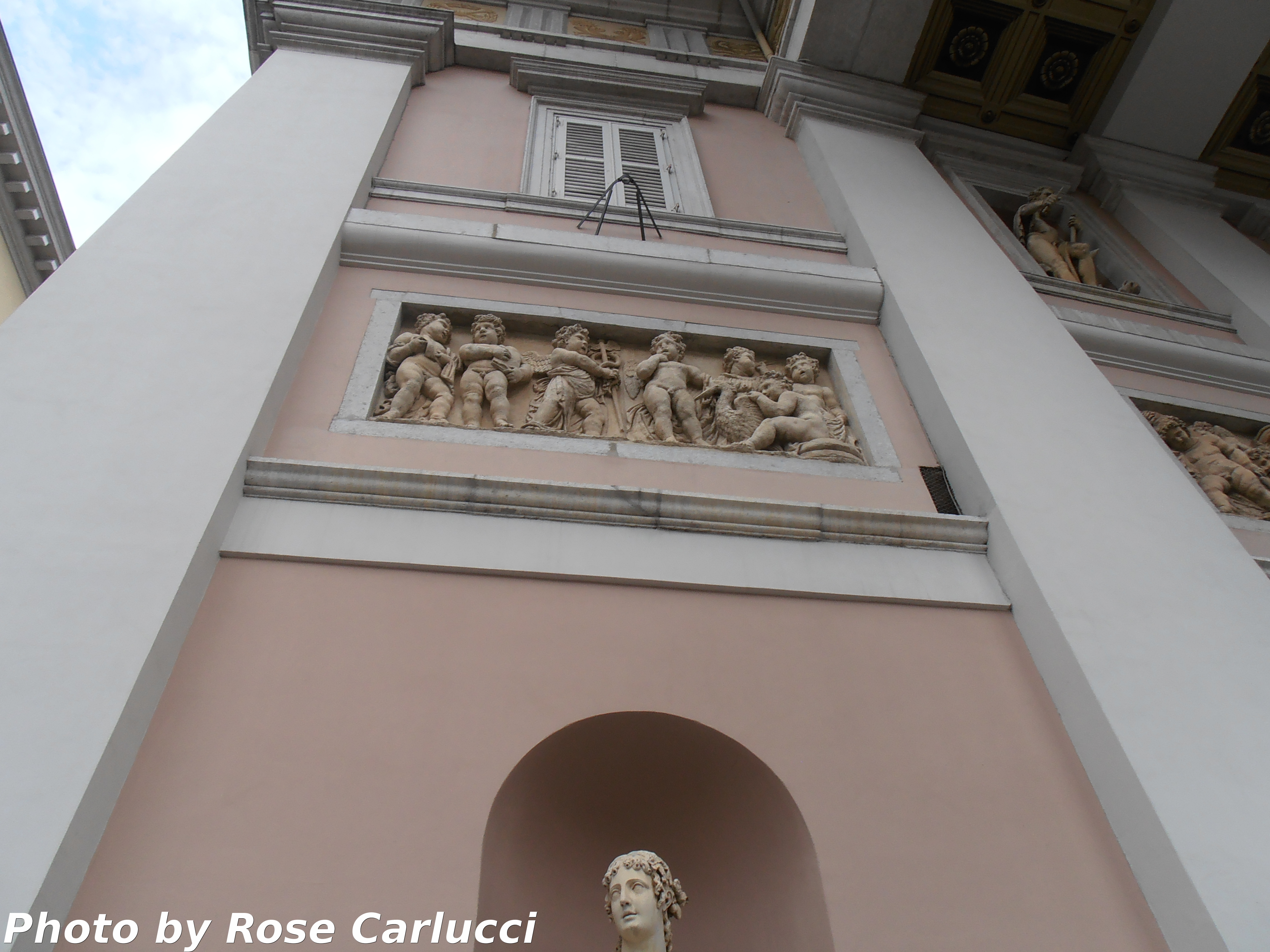
Old building of the Stock Exchange, Trieste, Italy

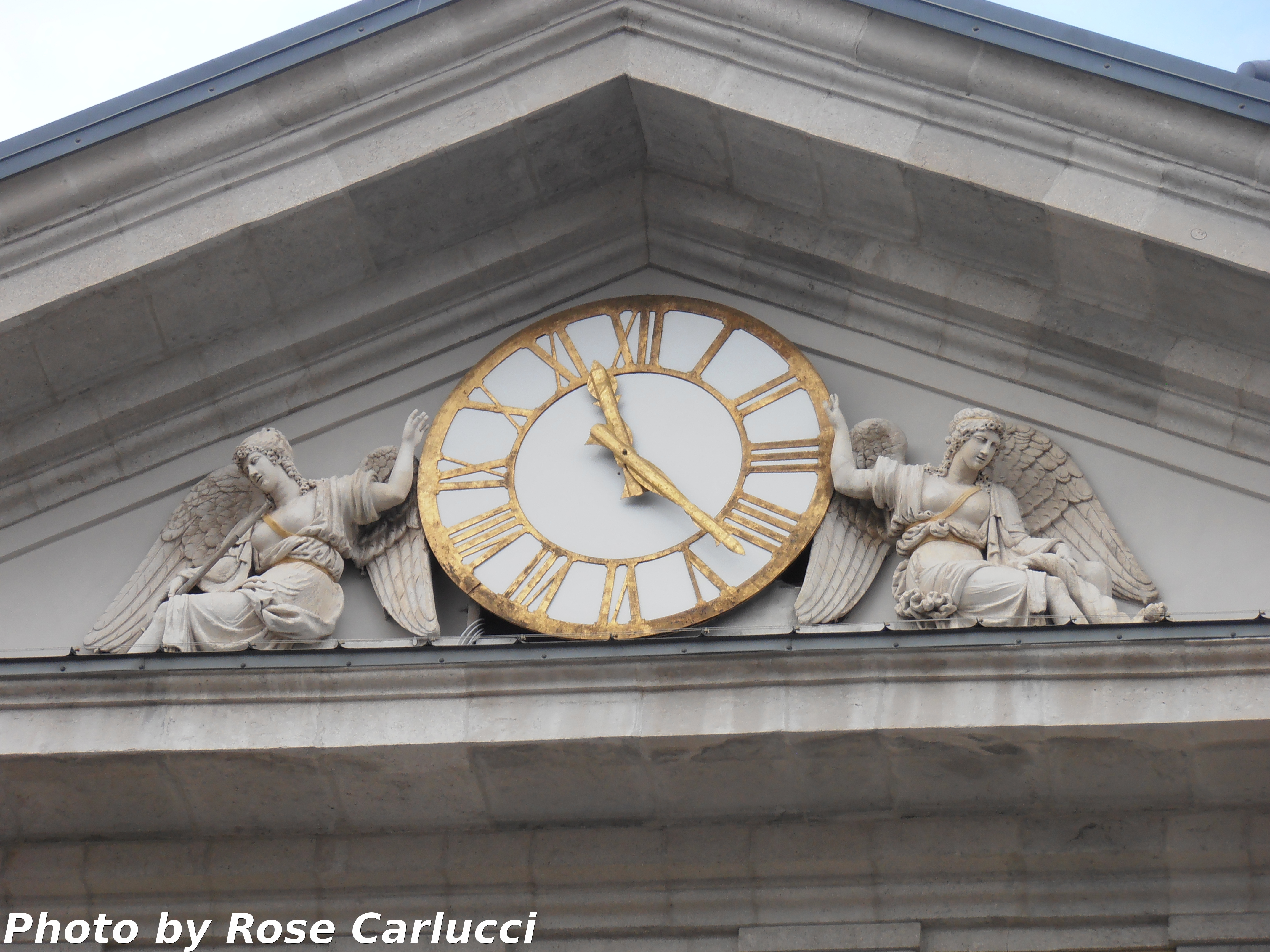
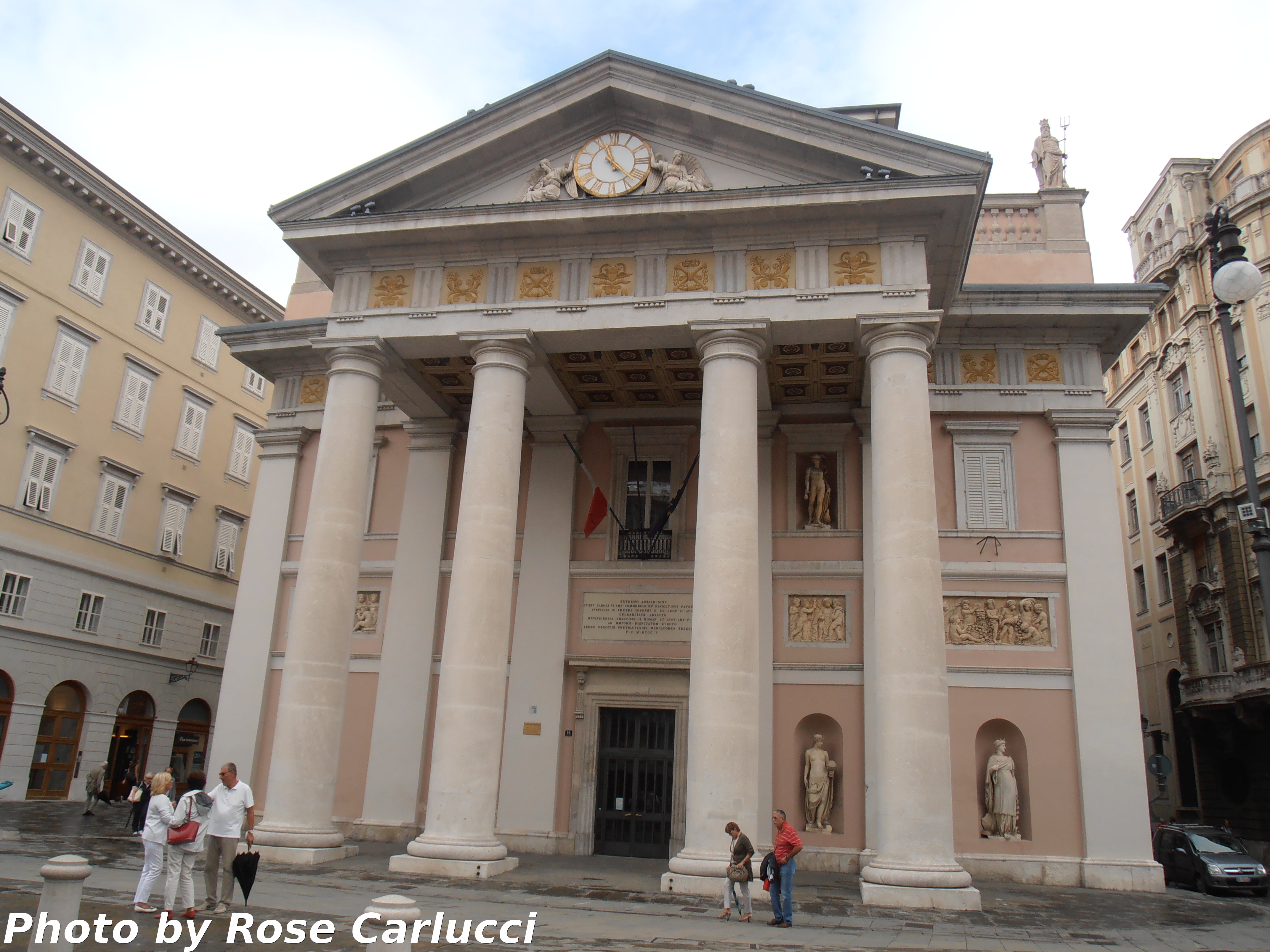
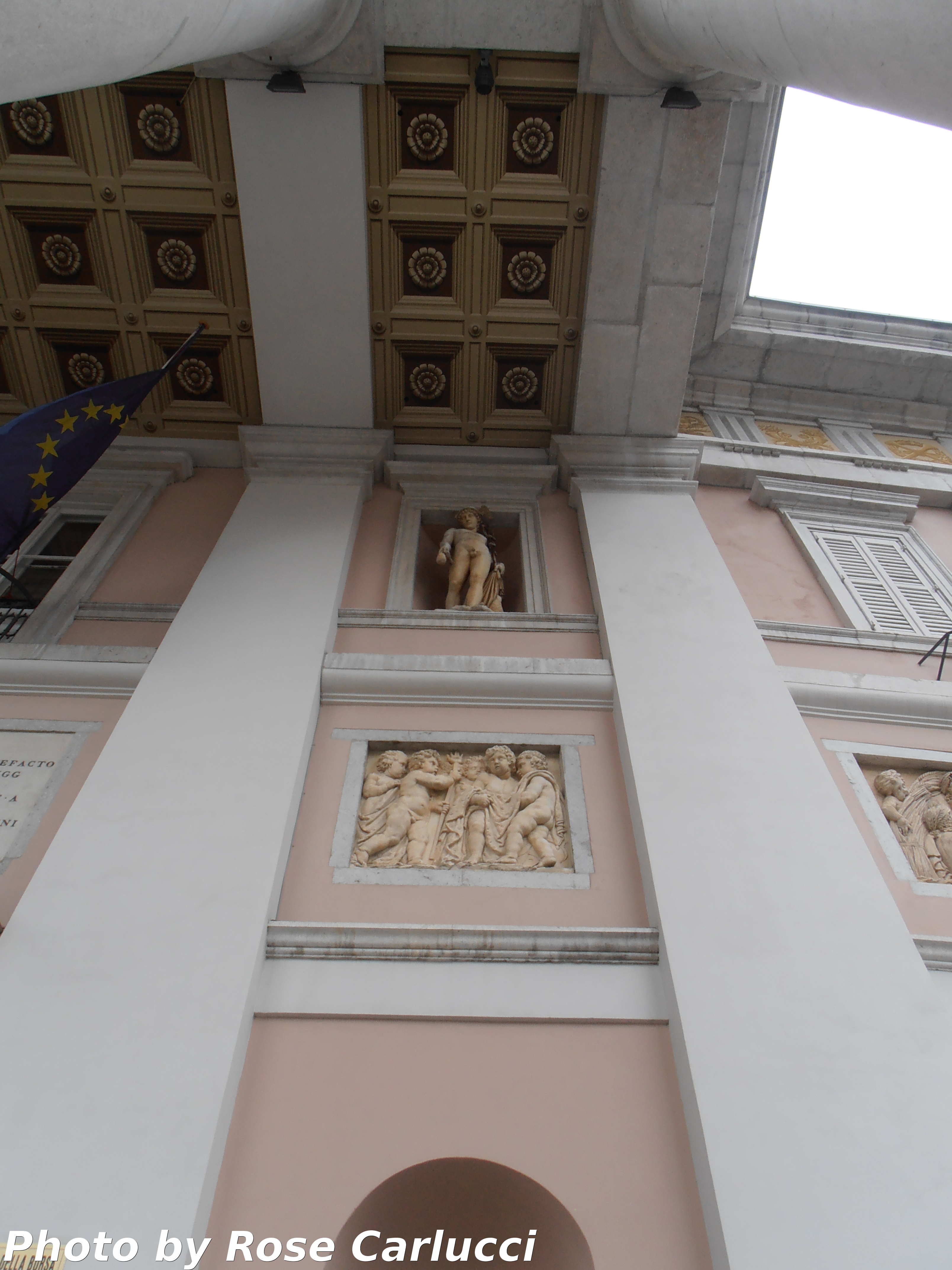
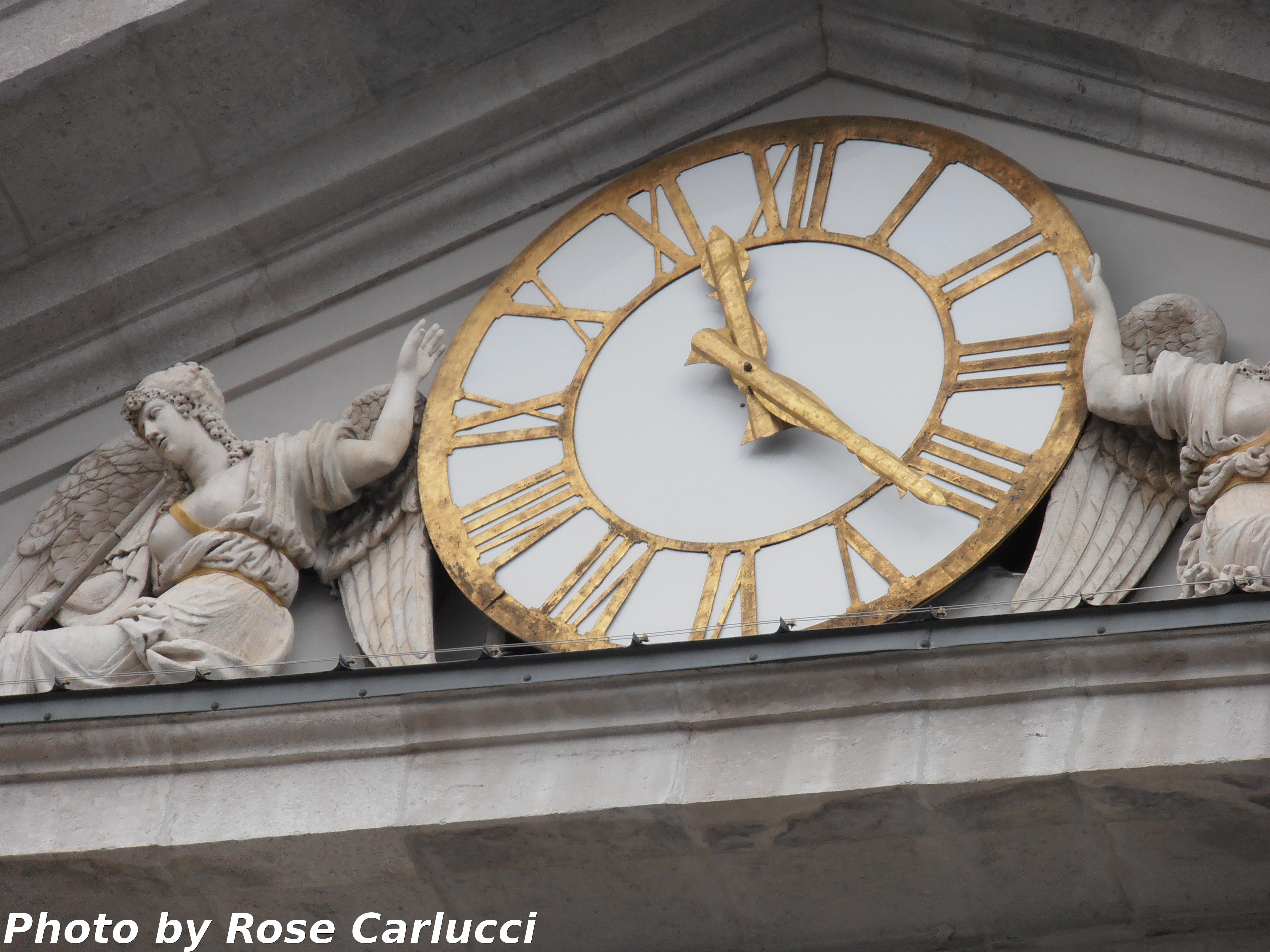
Located a few hundred meters from Piazza Unità, the old building of the Stock Exchange was opened in 1806 on a design by architect Antonio Mollari. The building resembles a Greek temple with Doric columns, with metopes and triglyphs that support the triangular pediment decorated with a clock flanked by the figures of the Fortune and the Glory. The palace has many statues on the facade, on the ground floor there are America, Europe, Asia and Africa, on the main floor Vulcan and Mercury, and they are all the work of Banti and Ferrari. The statues of the Danube, Minerva and Neptune are over the railing and belong to the work of the artist Bosa. In the decorationthere is also a scene painted by Giuseppe Bernardino Bison dedicated to the proclamation in Porto Franco of Trieste by Charles VI; this work is in the Major room, in the center of the dome-shaped ceiling. On the ground floor there is a beautiful sundial dated 1820 by the Friuli Sebastianutti. The palace was the seat of the Stock Exchange, but in 1844, the stock market was moved to the palace which is nearby, the Tergesteo. Currently, the building houses the Chamber of Commerce.

Tips

The building is within walking distance of all the monuments of historic Trieste.
You can take all the photos you want on the outside of the building, but the place does not accept tourist’s visit. Admission is only possible if you need somehting from the office of the Chamber of Commerce.